- Animals
- ›Chordates
- ›Vertebrates
- ›Ray-finned Fishes
- ›Spiny-rayed fishes
- ›Gobies, cardinalfishes and allies
- ›Gobies and allies
- ›Mudskippers and Allies
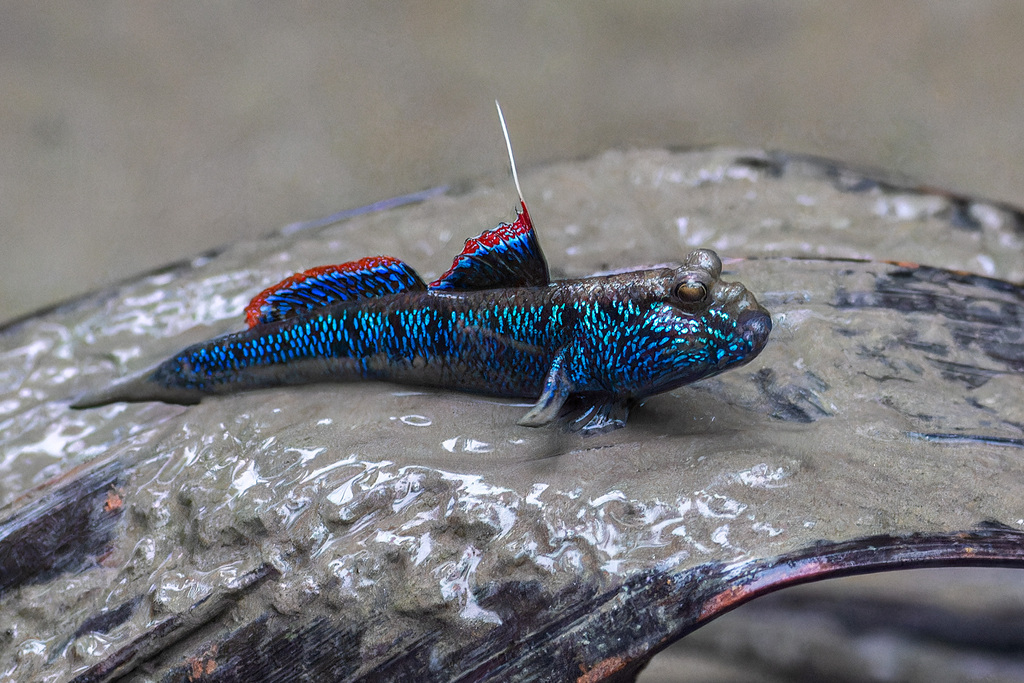
Mudskippers
Oxudercinae
Mudskippers are any of the 25 extant species of amphibious fish from the subfamily Oxudercinae of the goby family Oxudercidae. They are known for their unusual body shapes, preferences for semiaquatic habitats, limited terrestrial locomotion and jumping, and the ability to survive prolonged periods of time both in and out of water.
Mudskippers can grow up to 30 cm (12 in) long, and most are a brownish green colour that ranges anywhere from dark to light. During mating seasons, the males will also develop brightly coloured spots in order to attract females, which can be red, green, or blue. Unlike other fish, the mudskipper's eyes protrude from the top of its flat head. Another notable feature is that their side pectoral fins are located more forward and underneath their elongated bodies. These fins are jointed and function similarly to limbs, which allow the mudskipper to crawl from place to place. Although they have the typical body form of any other gobiid fish, pectoral fins allow the mudskipper to actively "skip" across muddy surfaces (hence the common name) and even climb low-hanging tree branches and scrub. Mudskippers can leap distances of up to 61 centimetres (24 in) by laterally flexing and pushing with their tails.
10 branches of this subfamily, most-observed first · about 44 known species

Periophthalmus
genusPeriophthalmus

Blue-spotted Mudskippers
genusBoleophthalmus
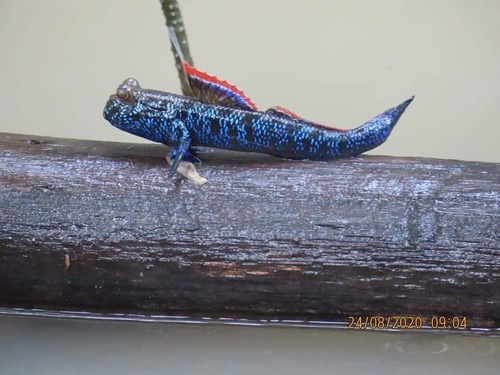
Giant Mudskippers
genusPeriophthalmodon
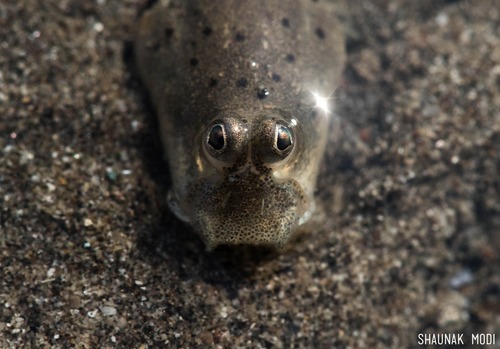
Scartelaos
genusScartelaos
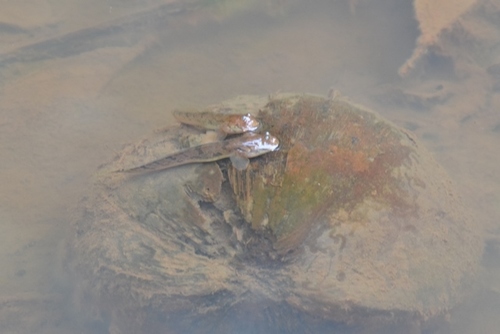
Pseudapocryptes
genusPseudapocryptes

Apocryptodon
genusApocryptodon

Apocryptes
genusApocryptes
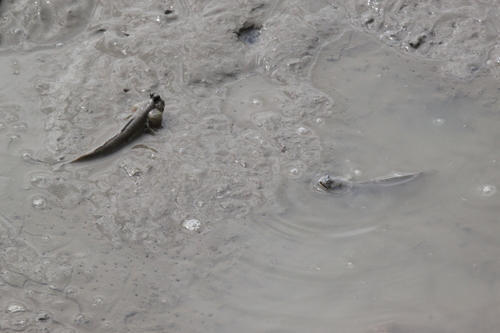
Oxuderces
genusOxuderces
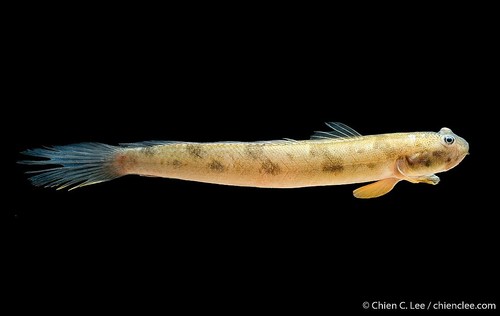
Parapocryptes
genusParapocryptes
Zappa
genusZappa
Where it lives
Recorded sightings
—
geo-referenced records in GBIF, from museums, herbaria and field observers.
Drag the globe to turn it. Dots are where records exist, not a range map; darker means more records.
In the stacks
Searching the stacks…
Every page naming Oxudercinae in the Biodiversity Heritage Library →
This page is assembled live from iNaturalist, GBIF, Wikipedia, the Source Library and the Internet Archive. It is not yet part of the hand-edited codex. iNaturalist taxon 125852.