Dodder Laurels
Cassytha
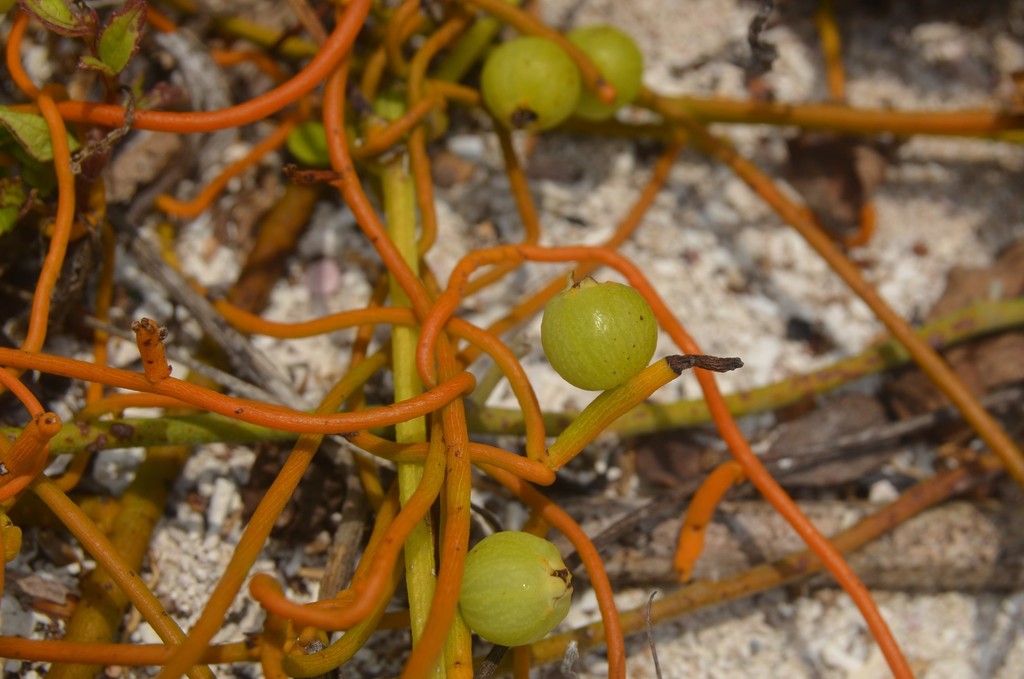
Cassytha is a genus of some two dozen species of obligately parasitic vines in the family Lauraceae. Superficially, and in some aspects of their ecology, they closely resemble plants in the unrelated genus Cuscuta, the dodders. When fruit and flowers are absent in the field, the physical resemblance is so close that few people without technical training can discern the difference. In this respect and in their ecology the two genera present a spectacular example of convergent evolution. Nonetheless, Nickrent comments that "Cassytha is uneqivocally assigned to Lauraceae based on (both) morphological and molecular data." In its divergence from habits typical of the Lauraceae, Cassytha also presents examples of mosaic evolution
Several species of Cassytha are regarded as pests in various regions, though as a rule they are not as serious a problem as the true dodders. Some even yield a welcome harvest of fruit, or are valued for their perceived medicinal or aphrodisiac properties, partly because, like many members of the Lauraceae, some are fragrant when bruised. Their stems make useful strings for construction of thatched roofs and certain styles of lei and the like.
24 branches of this genus, most-observed first
laurel dodder
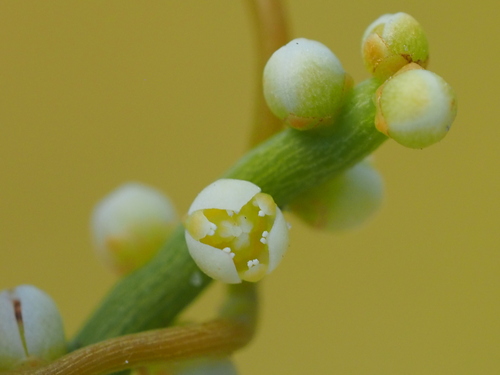
speciesCassytha filiformis
Slender Devil's Twine
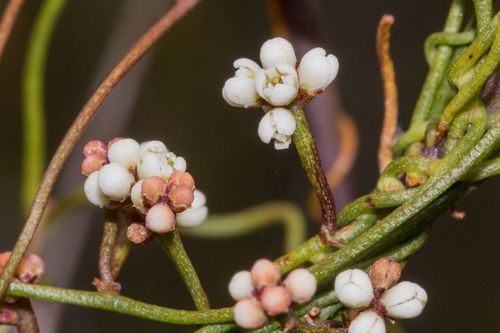
speciesCassytha glabella

devil's tresses
speciesCassytha ciliolata
Downy Dodder-laurel
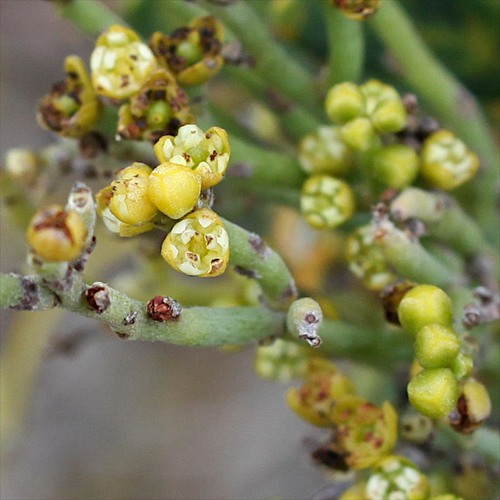
speciesCassytha pubescens
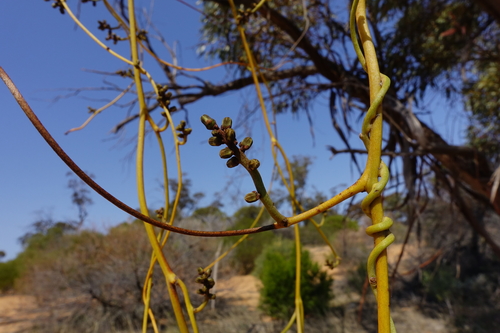
Coarse Dodder-laurel
speciesCassytha melantha

Cassytha racemosa
speciesCassytha racemosa
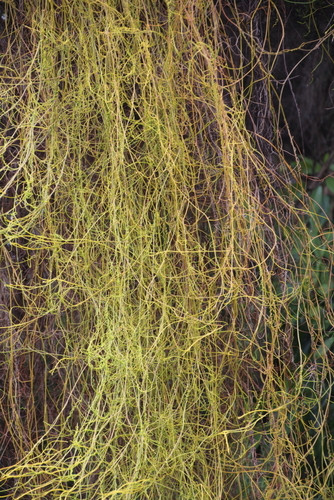
Mawhai
speciesCassytha paniculata
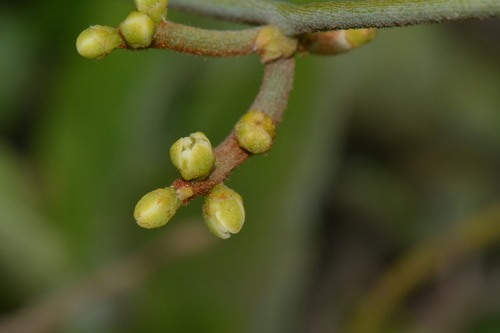
Pondo Tresses
speciesCassytha pondoensis
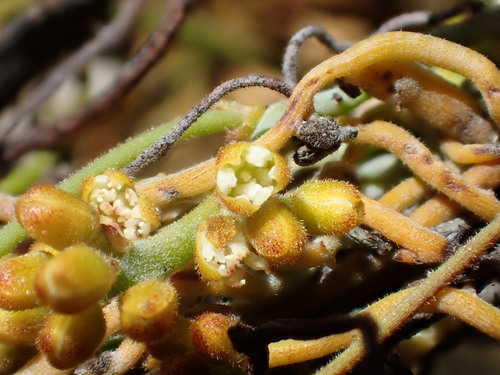
Cassytha pomiformis
speciesCassytha pomiformis
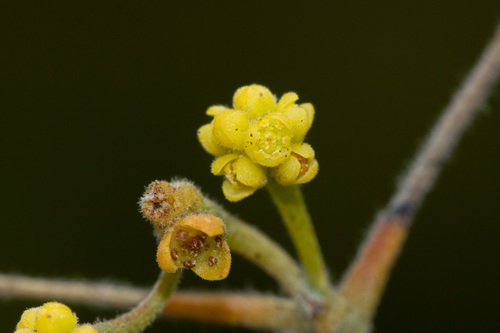
Cassytha flava
speciesCassytha flava
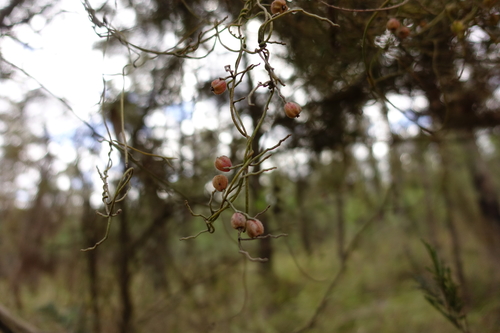
Rusty Dodder-laurel
speciesCassytha phaeolasia
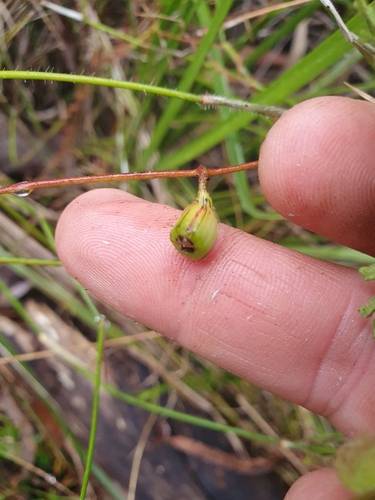
Cassytha muelleri
speciesCassytha muelleri
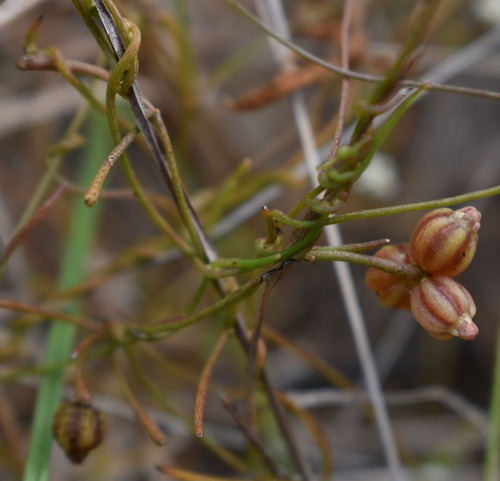
Cassytha capillaris
speciesCassytha capillaris
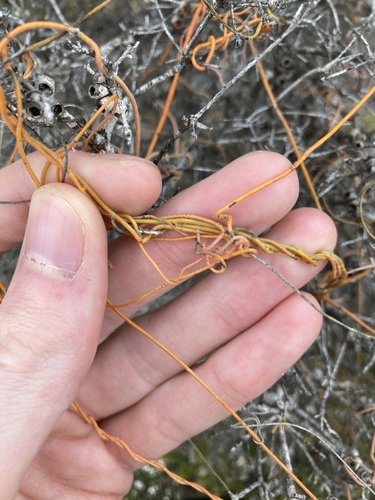
Cassytha aurea
speciesCassytha aurea
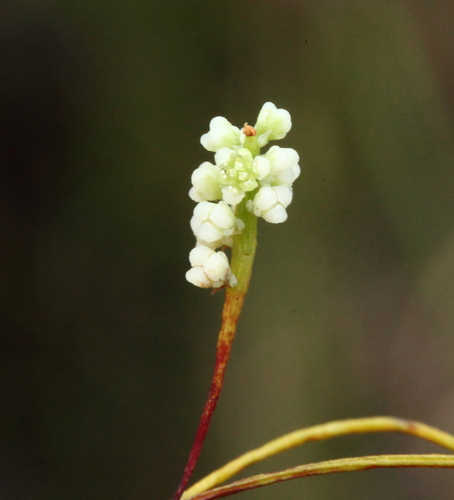
Cassytha micrantha
speciesCassytha micrantha
Cassytha peninsularis
speciesCassytha peninsularis
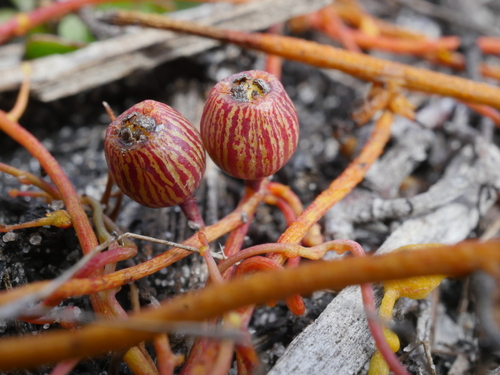
Stalked dodder-laurel
speciesCassytha pedicellosa
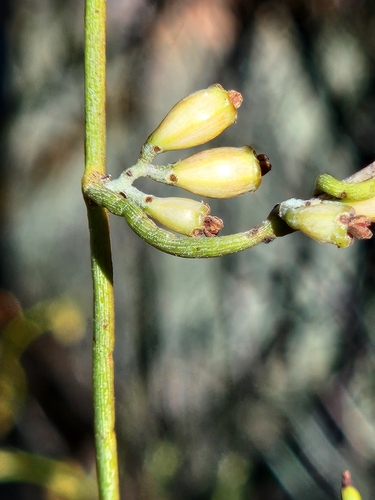
Cassytha flindersii
speciesCassytha flindersii
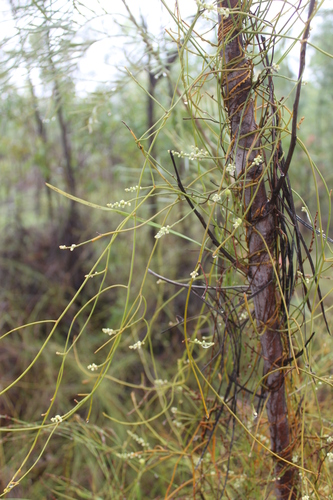
Cassytha candida
speciesCassytha candida
Cassytha rufa
speciesCassytha rufa
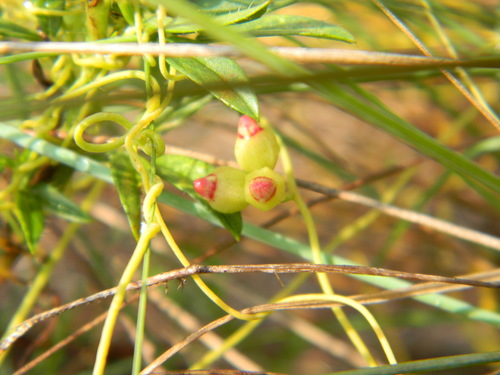
Cassytha graminicola
speciesCassytha graminicola
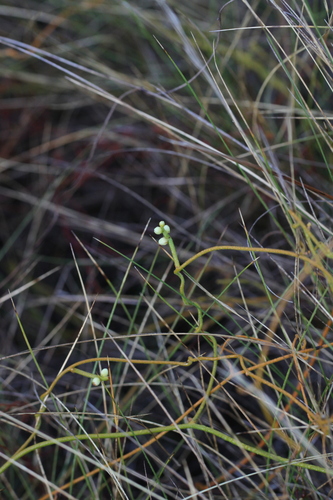
Cassytha pergracilis
speciesCassytha pergracilis
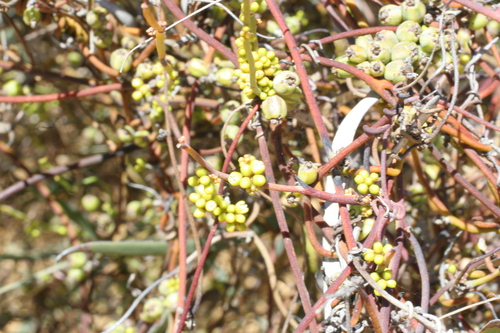
Cassytha nodiflora
speciesCassytha nodiflora
Cassytha larsenii
speciesCassytha larsenii
Where it lives
Recorded sightings
—
geo-referenced records in GBIF, from museums, herbaria and field observers.
Drag the globe to turn it. Dots are where records exist, not a range map; darker means more records.
In the stacks
Searching the stacks…
Every page naming Cassytha in the Biodiversity Heritage Library →
This page is assembled live from iNaturalist, GBIF, Wikipedia, the Source Library and the Internet Archive. It is not yet part of the hand-edited codex. iNaturalist taxon 119899.