- Animals
- ›Arthropods
- ›Hexapods
- ›Insects
- ›Winged and Once-winged Insects
- ›Antlions, Lacewings, and Allies
- ›Lacewings and Allies
- ›Hemerobioidea
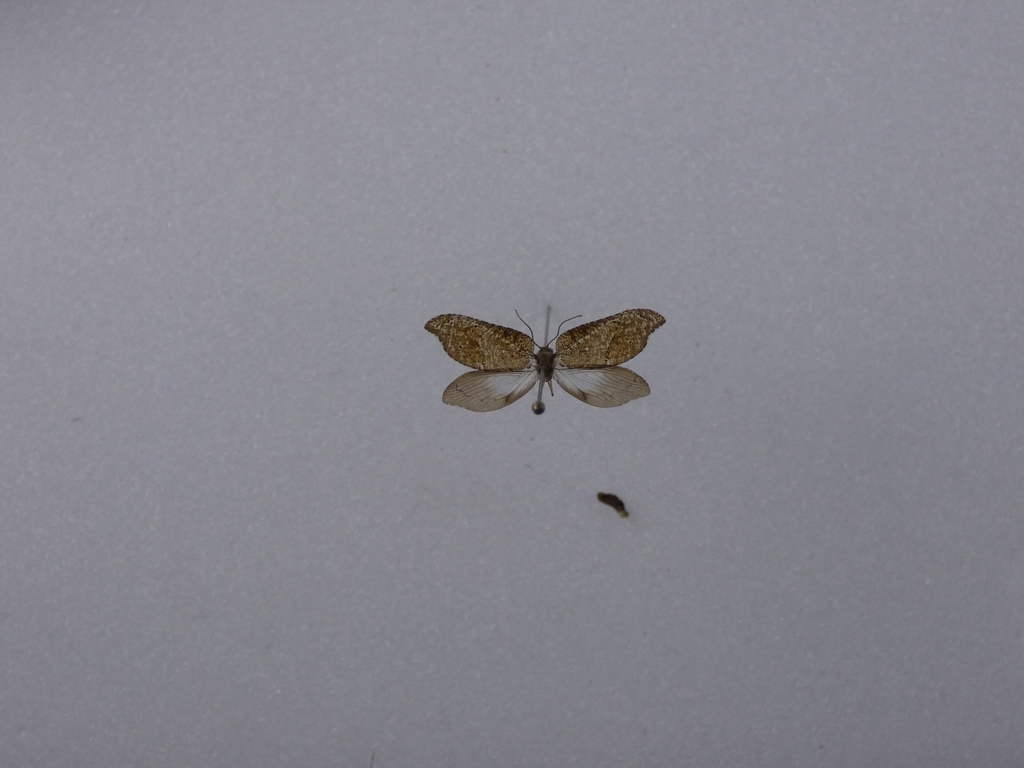
Brown Lacewings
Hemerobiidae
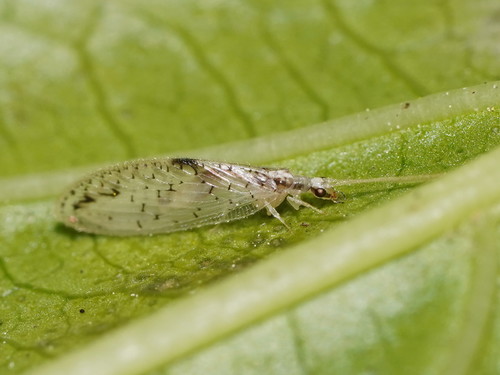
Hemerobiidae is a family of Neuropteran insects commonly known as brown lacewings, comprising about 500 species in 28 genera. Most are yellow to dark brown, but some species are green. They are small; most have forewings 4–10 mm long (some up to 18 mm). These insects differ from the somewhat similar Chrysopidae (green lacewings) not only by the usual coloring but also by the wing venation: hemerobiids differ from chrysopids in having numerous long veins (two or more radial sectors) and forked costal cross veins. Some genera (Hemerobius, Micromus, Notiobiella, Sympherobius, Wesmaelius) are widespread, but most are restricted to a single biogeographical realm. Some species have reduced wings to the degree that they are flightless. Imagines (adults) of subfamily Drepanepteryginae mimic dead leaves. Hemerobiid larvae are usually less hairy than chrysopid larvae.
Hemerobiids, like chrysopids, are predatory, especially on aphids, both as larvae and adults. The species Micromus tasmaniae is bred for biological pest control.
10 branches of this family, most-observed first

Microminae
subfamilyMicrominae

Hemerobiinae
subfamilyHemerobiinae
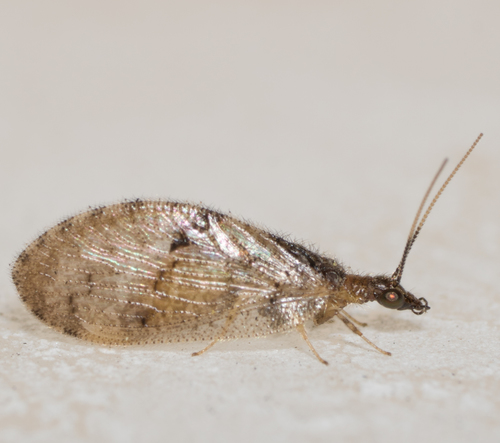
Sympherobiinae
subfamilySympherobiinae
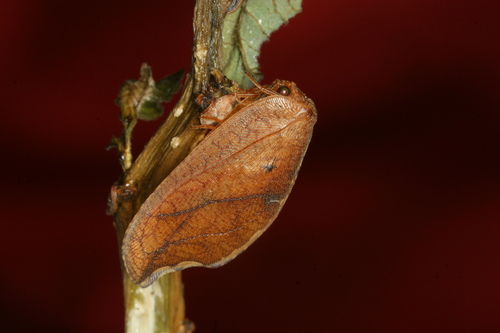
Drepanepteryginae
subfamilyDrepanepteryginae

Notiobiellinae
subfamilyNotiobiellinae
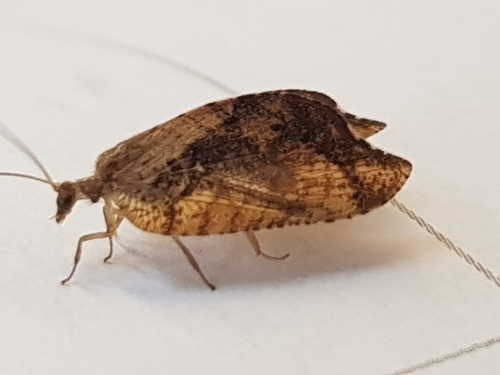
Drepanacrinae
subfamilyDrepanacrinae

Megalominae
subfamilyMegalominae

Carobiinae
subfamilyCarobiinae
Zachobiellinae
subfamilyZachobiellinae
Adelphohemerobiinae
subfamilyAdelphohemerobiinae
Where it lives
Recorded sightings
—
geo-referenced records in GBIF, from museums, herbaria and field observers.
Drag the globe to turn it. Dots are where records exist, not a range map; darker means more records.
In the stacks
Searching the stacks…
Every page naming Hemerobiidae in the Biodiversity Heritage Library →
This page is assembled live from iNaturalist, GBIF, Wikipedia, the Source Library and the Internet Archive. It is not yet part of the hand-edited codex. iNaturalist taxon 118993.