- Animals
- ›Arthropods
- ›Hexapods
- ›Insects
- ›Winged and Once-winged Insects
- ›Cockroaches and Termites
- ›Typical Cockroaches and Termites
Termites
Termitoidae
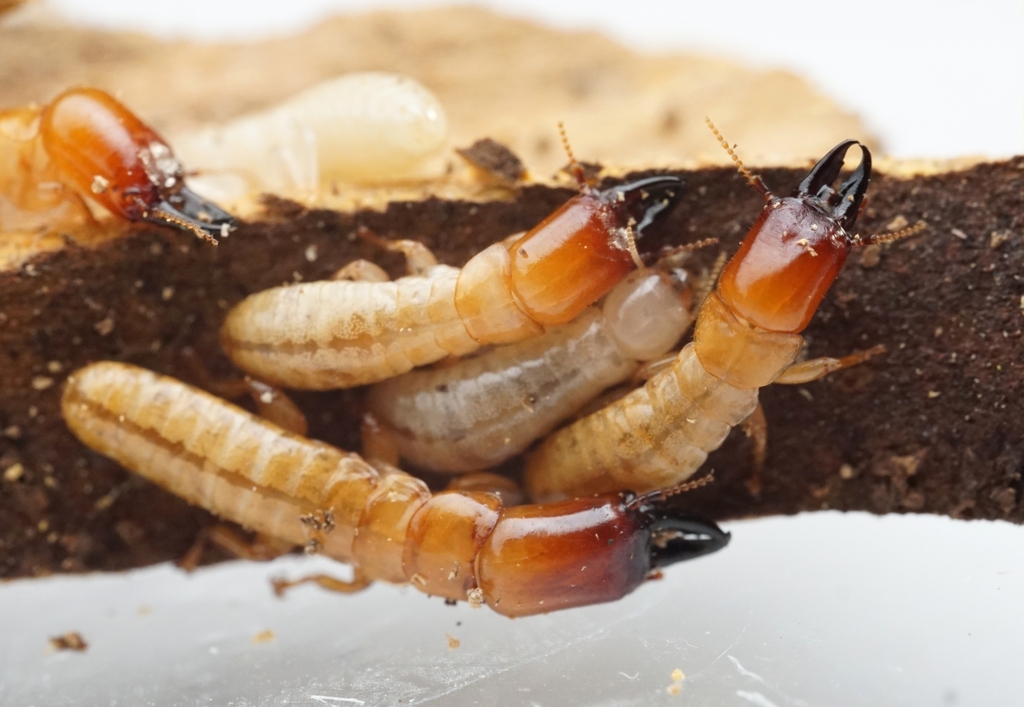
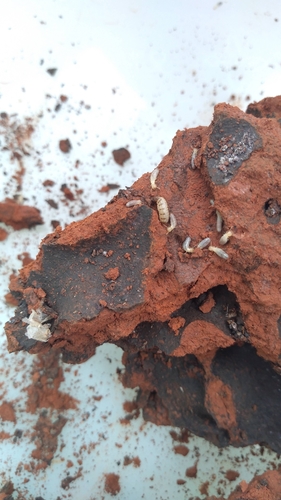
Termites are a group of eusocial insects which consume a variety of decaying plant material, generally in the form of wood, leaf litter, and soil humus. They are distinguished by their beaded (moniliform) antennae and the soft-bodied, unpigmented worker caste for which they have been commonly termed "white ants"; however, they are not ants but highly derived cockroaches; they are genetically closer to some cockroach groups than these are to other cockroaches. About 2,997 extant species are currently described, 2,125 of which are members of the family Termitidae.
Termites comprise the infraorder Isoptera, or alternatively the epifamily Termitoidae, within the order Blattodea (the cockroaches). Termites were once classified in a separate order from cockroaches, but phylogenetic studies in the 21st century indicate that they evolved from cockroaches, as they are deeply nested within the group (clade), and the sister group to wood-eating cockroaches of the genus Cryptocercus. Previous estimates suggested the divergence took place during the Jurassic or Triassic. More recent estimates suggest that they have an origin during the Late Jurassic, with later evidence revealing fossils from this time period.
14 branches of this group, most-observed first

Higher Termites
familyTermitidae

Typical Subterranean Termites
familyHeterotermitidae

Drywood Termites
familyKalotermitidae

Dampwood termites
familyArchotermopsidae

Harvester Termites
familyHodotermitidae

Dampwood Termites
familyStolotermitidae

Rhinotermitidae
familyRhinotermitidae
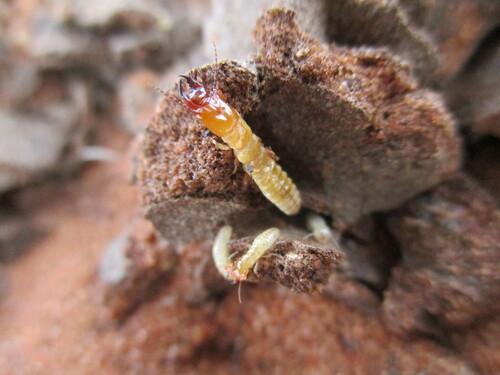
Psammotermitidae
familyPsammotermitidae

Mastotermitidae
familyMastotermitidae
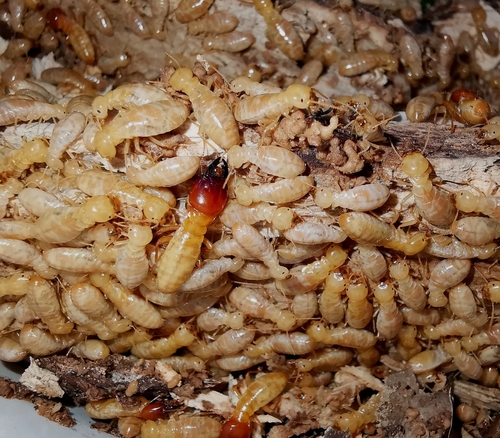
Hodotermopsidae
familyHodotermopsidae
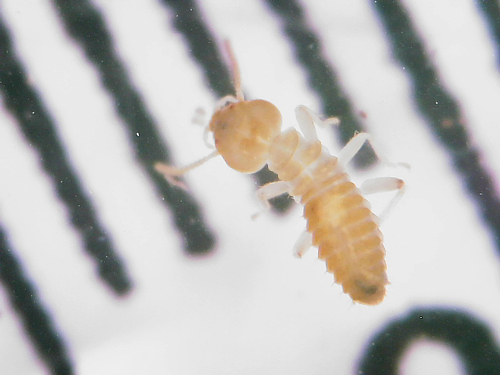
Termitogetonidae
familyTermitogetonidae
Serritermitidae
familySerritermitidae

Stylotermitidae
familyStylotermitidae
Termopsidae
familyTermopsidae
Where it lives
Recorded sightings
—
geo-referenced records in GBIF, from museums, herbaria and field observers.
Drag the globe to turn it. Dots are where records exist, not a range map; darker means more records.
In the stacks
Searching the stacks…
Every page naming Termitoidae in the Biodiversity Heritage Library →
This page is assembled live from iNaturalist, GBIF, Wikipedia, the Source Library and the Internet Archive. It is not yet part of the hand-edited codex. iNaturalist taxon 118903.