- Animals
- ›Arthropods
- ›Hexapods
- ›Insects
- ›Winged and Once-winged Insects
- ›Mantises
- ›Extant Mantises
- ›Schizomantodea
- ›Mantoidea
- ›Mantids
- ›Unicorn Mantises
- ›Vatini
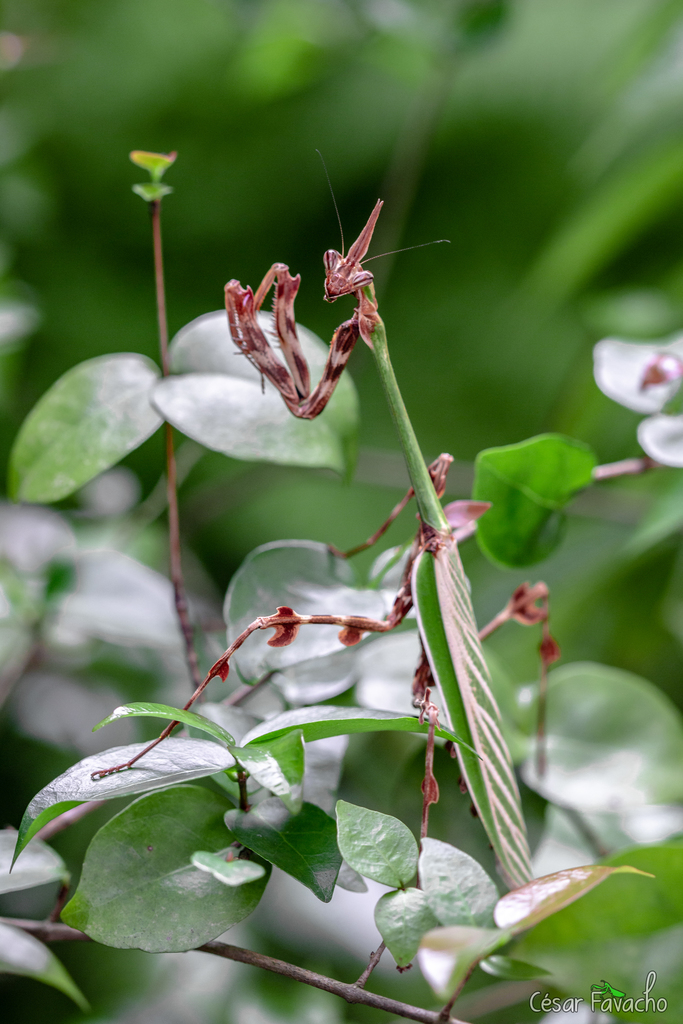
Vatina
The Vatin culture (Serbian: Ватинска култура, Vatinska kultura or Ватинска група, Vatinska grupa), also known as the Vatina culture, is a name of a prehistoric Bronze Age culture, which was named after Vatin, a village in Serbia. The culture had Indo-European roots and was culturally connected with Mycenaean Greece. The Vatin culture is dated to the middle Bronze Age and is generally divided into three phases: Pančevo-Omoljica, Vatin-Vršac, and Belegiš-Ilandža. It flourished from c. 2000 BC to 1500 BC, or until the 13th century BC according to some sources.
The people of the Vatin culture inhabited the entire territory of Vojvodina (Banat, Bačka, Syrmia) and many surrounding areas (including Slavonia, Oltenia, Bosnia and Central Serbia). Its core area was in Serbian-Vojvodinian Podunavlje. The remains of this culture were discovered at the beginning of the 20th century near the village of Vatin (Banat region, Vojvodina province, Serbia). However the real importance of this culture was only realised at the end of the 20th century, when the locality of Feudvar near the village of Mošorin was investigated.
5 branches of this group, most-observed first
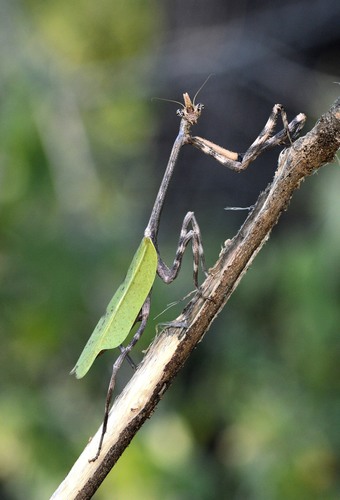
Pseudovates
genusPseudovates

Vates
genusVates

Zoolea
genusZoolea
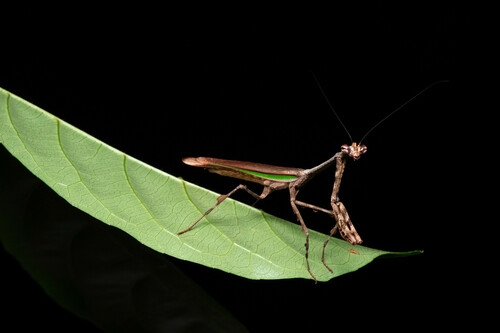
Alangularis
genusAlangularis

Callivates
genusCallivates
Where it lives
Recorded sightings
—
geo-referenced records in GBIF, from museums, herbaria and field observers.
Drag the globe to turn it. Dots are where records exist, not a range map; darker means more records.
In the stacks
Searching the stacks…
Every page naming Vatina in the Biodiversity Heritage Library →
This page is assembled live from iNaturalist, GBIF, Wikipedia, the Source Library and the Internet Archive. It is not yet part of the hand-edited codex. iNaturalist taxon 1097117.