- Animals
- ›Chordates
- ›Vertebrates
- ›Ray-finned Fishes
- ›Spiny-rayed fishes
- ›Perches, Scorpionfishes, Sticklebacks, and Allies
- ›Perches, groupers and allies
- ›Perches, Darters, and allies
- ›Perches, Ruffes, and Allies
- ›Gymnocephalus
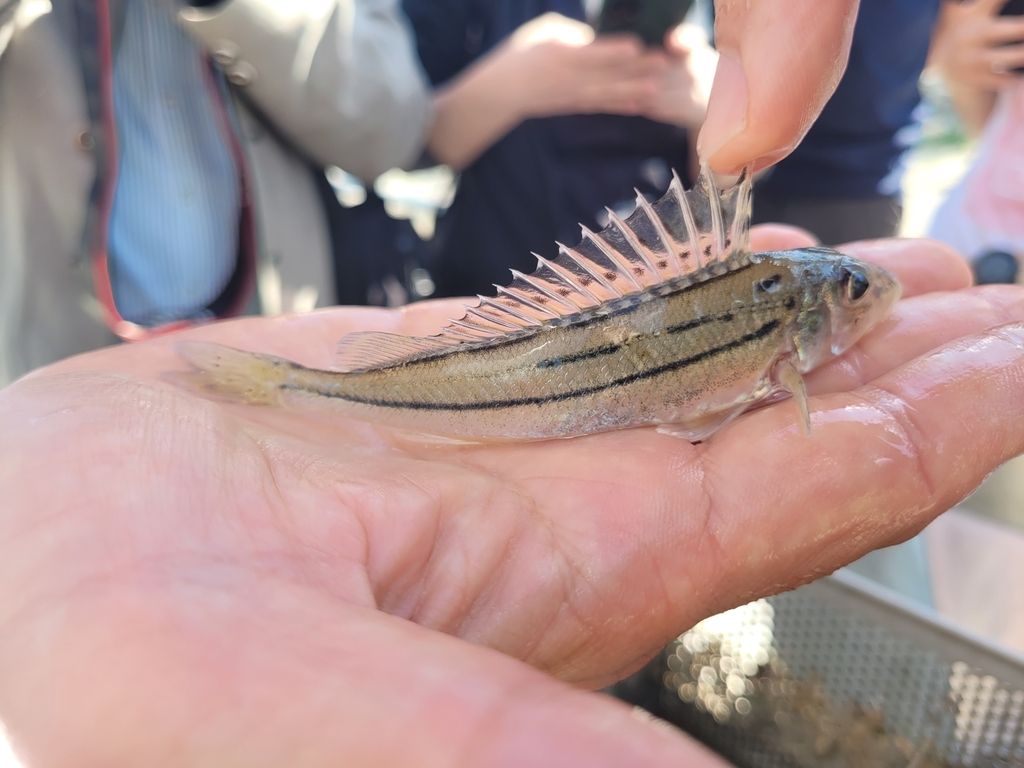
Schraetzer
Gymnocephalus schraetser
The schraetzer (Gymnocephalus schraetser) or striped ruffe, is a species of perch native to the Danube basin. It is a schooling fish, being found over muddy or sandy bottoms of moderately flowing large rivers. This species can reach a length of 30 centimetres (12 in) TL though most only grow to 15 centimetres (5.9 in). The greatest recorded weight for this species is 250 grams (8.8 oz). While of no interest to commercial fisheries, it is popular as a...
From the article Schraetzer on Wikipedia (CC BY-SA), quoted section by section
Range & habitat
The schraetzer is endemic to the catchment of the Danube River, being found in large and medium sized rivers from the headwaters in Germany downstream to the Danube delta. It is found in stretches of rivers with a moderate current and mud or sand river beds.
Wikipedia: “Distribution and habitat”
In human culture
The schraetzer is classified within the genus Gymnocephalus, a name that means "naked head", an allusion to the scaleless head of these fishes. The specific name, schraetser, is derived from vernacular names for this fish in Bavaria.
Wikipedia: “Etymology”
Where it lives
Recorded sightings
—
geo-referenced records in GBIF, from museums, herbaria and field observers.
Drag the globe to turn it. Dots are where records exist, not a range map; darker means more records.
In the stacks
Searching the stacks…
Every page naming Gymnocephalus schraetser in the Biodiversity Heritage Library →
This page is assembled live from iNaturalist, GBIF, Wikipedia, the Source Library and the Internet Archive. It is not yet part of the hand-edited codex. iNaturalist taxon 101888.