- Animals
- ›Chordates
- ›Vertebrates
- ›Reptiles
- ›Snakes and Lizards
- ›Lizards
- ›Geckos
- ›Typical Geckos
- ›Gekko
- ›Japonigekko
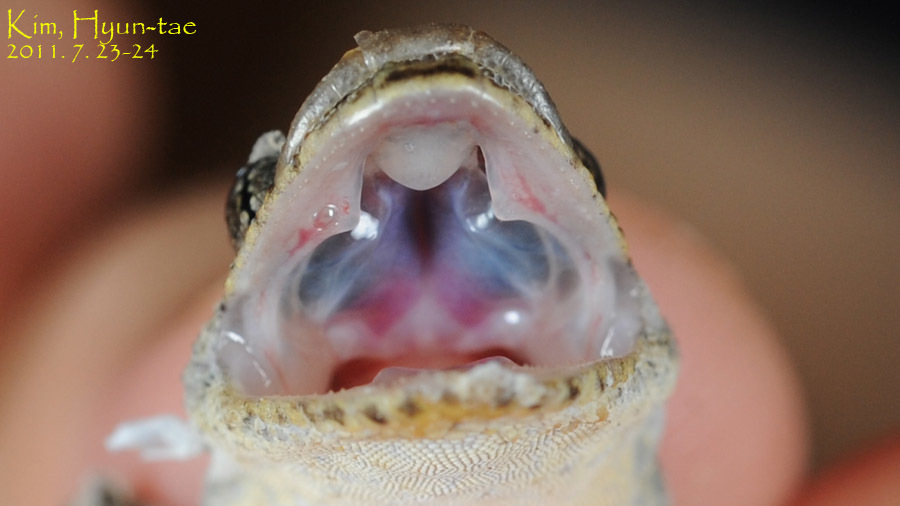
Japanese Giant Gecko
Gekko japonicus
Schlegel's Japanese gecko (Gekko japonicus) is a species of gecko. It is found in eastern China, Japan, and South Korea.
From the article Schlegel's Japanese gecko on Wikipedia (CC BY-SA), quoted section by section
Range & habitat
Gekko japonicus occurs across the main islands of Japan, ranging from northern Honshu in the north and east to Kyushu in the south and west. It can also be found in eastern China and in South Korea.
Wikipedia: “Distribution”
What it does
Like other species of gecko, individuals of G. japonicus primarily eat insects. The species is capable of autotomy, and will separate its tail from its body to escape predators. While this process avoids bleeding, as blood vessels at the base of the tail close to prevent blood loss, the gecko does lose a supply of fat tissue, which it can use during periods where food is scarce.
Wikipedia: “Ecology”
In human culture
In Japanese culture, seeing a gecko on one's home is associated with good luck. The animal's name, yamori, translates to home-protector.
== References ==
Wikipedia: “Japanese culture”
Where it lives
Recorded sightings
—
geo-referenced records in GBIF, from museums, herbaria and field observers.
Drag the globe to turn it. Dots are where records exist, not a range map; darker means more records.
In the stacks
Searching the stacks…
Every page naming Gekko japonicus in the Biodiversity Heritage Library →
This page is assembled live from iNaturalist, GBIF, Wikipedia, the Source Library and the Internet Archive. It is not yet part of the hand-edited codex. iNaturalist taxon 101316.