 NL·0311
Herbarium of the Nature Library
- Name
- Lycaon pictus
- Family
- Canidae
- Native to
- Fragmented populations in eastern and southern Africa (Botswana, Zimbabwe, Tanzania, Zambia, Kenya, South Africa, Mozambique) and a few in West Africa
- Habitat
- Savanna, Open woodland, Semi-desert
African wild dog (painted wolf)
Lycaon pictus
Also calledMbwa mwitu (Swahili) · Wildehond (Afrikaans) · Painted wolf (English) · Fēizhōu yěquǎn 非洲野犬 (Chinese)
A long-legged, blotch-coated hunting dog of African savannas and one of the most successful pack hunters among large carnivores. Packs care for pups and injured members, feeding them by regurgitating meat.
The African wild dog, also called painted dog and Cape hunting dog, is a wild canine native to sub-Saharan Africa. It is the largest wild canine in Africa and the only extant member of the genus Lycaon, which is distinguished from Canis by dentition highly specialised for a hypercarnivorous diet and by a lack of dewclaws. Wikipedia
What it can do
- iRuns prey down over several kilometres, at up to ~60 km/h; often succeeds in most chases it starts
- iiPacks 'vote' to start a hunt by sneezing; the more sneezes, the likelier they set off
- iiiShares kills with pups and sick or injured pack members
- ivIts coat pattern of black, yellow and white is unique to each dog
In the field
Field marks
- aBlotched coat of black, brown, yellow and white
- bLarge round ears
- cWhite-tipped tail
- dLean, long legs
- Voice
- Twittering, hoo calls and sneezes
- Not to be confused with
- Spotted hyena has a sloping back, spots and round ears. Never approach on foot; watch from a vehicle, boat or hide, or with a licensed guide.
- Where to see it
- Kruger (South Africa), Moremi (Okavango Delta) and Mana Pools (Zimbabwe)
- When
- Southern Africa breeding Apr–Jul
Listen
Looking for field recordings…
Life & habits
- Diet
- Carnivore: impala, kudu, gazelles, wildebeest calves
- Habitat
- Savanna, open woodland and semi-desert, with very large home ranges
- Size
- 18–36 kg; ~75 cm at shoulder
- Lifespan
- ~10 years
Usually only the dominant pair breeds, and the whole pack helps raise the litter of up to 10–20 pups.
Where it lives
Recorded sightings
—
geo-referenced records in GBIF, from museums, herbaria and field observers.
Native range
Fragmented populations in eastern and southern Africa (Botswana, Zimbabwe, Tanzania, Zambia, Kenya, South Africa, Mozambique) and a few in West Africa
Drag the globe to turn it. Dots are where records exist, not a range map; darker means more records.
In the old herbals & bestiaries
No plate in the Source Library names this exact species, so these show its closest relatives as the old naturalists drew them: same genus, or the same kind of animal. Click a plate to read the page it came from, with translation.


In the stacks
Searching the stacks…
Every page naming Lycaon pictus in the Biodiversity Heritage Library →
Marginalia
Coenraad Temminck described it in 1820 as Hyaena picta, 'painted hyena'; its genus name Lycaon, after the king turned into a wolf in Greek myth, came later. Conservationists have popularised the name 'painted wolf' to counter its old reputation as vermin.
Curiosity
Unlike other dogs, it has only four toes on each front foot.
Kinship
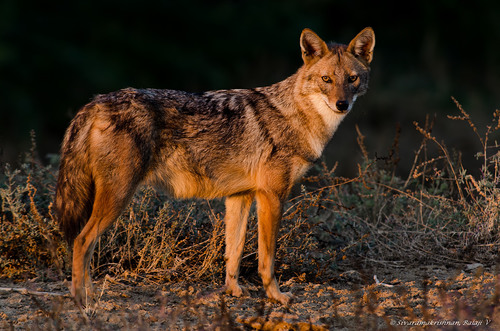
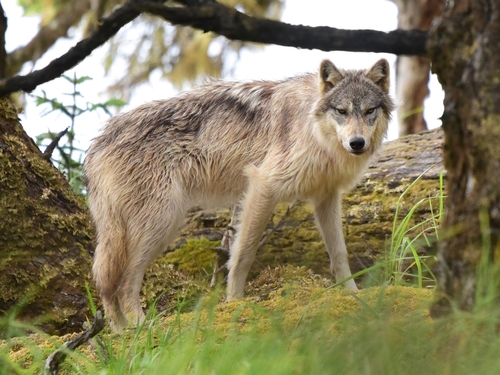
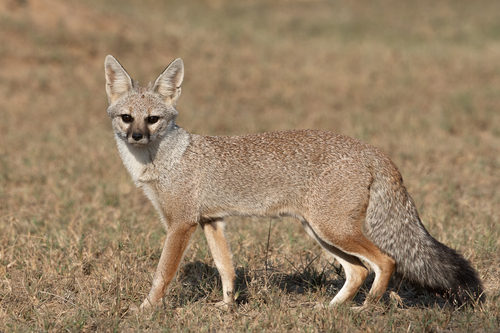
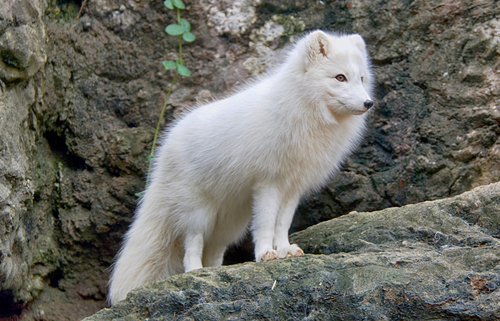

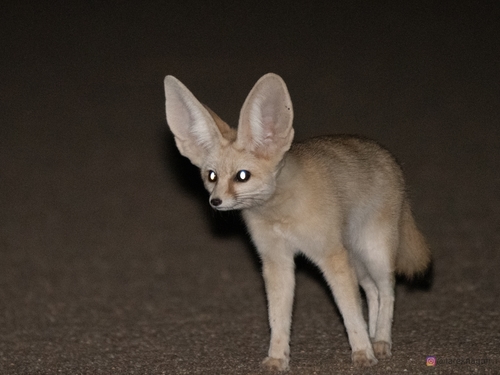
Photographs: iNaturalist contributors under the licences shown. Records: GBIF.org. Historical plates: Source Library (CC BY-SA 4.0; originals public domain). Summary text: Nature Library editors and Wikipedia (CC BY-SA). Medicinal and edibility notes are historical and educational, not advice. iNaturalist taxon 42093.