 NL·0136
Herbarium of the Nature Library
- Name
- Hydrastis canadensis
- Family
- Ranunculaceae
- Native to
- Rich deciduous forests of eastern North America, from southern Ontario to Georgia and west to Minnesota and Arkansas
- Habitat
- Temperate deciduous forest, Moist hardwood slopes
Goldenseal
Hydrastis canadensis
Also calledOrangeroot (English) · Yellow puccoon (English, from Powhatan 'puccoon') · Indian turmeric (English) · Kanadische Gelbwurz (German) · Sello de oro (Spanish)
A woodland wildflower of eastern North America whose knotty yellow rhizome stains everything gold with berberine. Overharvesting for herbal supplements has made it a threatened species.
Goldenseal, also called orangeroot or yellow puccoon, is a perennial herb in the buttercup family Ranunculaceae, native to North America. It may be distinguished by its thick, yellow knotted rootstock. The stem is purplish and hairy above ground and yellow below ground where it connects to the yellow rhizome. Goldenseal reproduces both clonally through the rhizome and sexually, with clonal division more frequent than asexual reproduction. It takes between 4 and 5 years for a plant to reach sexual maturity, i.e. the point at which it produces flowers. Plants in the first stage, when the seed erupts and cotyledons emerge, can remain in this state one or more years. The second vegetative stage occurs during years two and three and is characterized by the development of a single leaf and absence of a well developed stem. Finally, the third stage is reproductive, at which point flowering and fruiting occurs. This last stage takes between 4 and 5 years to develop. Wikipedia
What it can do
- iRhizome contains berberine and hydrastine, alkaloids active against many bacteria and fungi
- iiStrongly inhibits the liver enzymes CYP3A4 and CYP2D6 in people, altering drug levels
- iiiSpreads slowly by rhizomes into clonal colonies on the forest floor
At the table
Not a food. The rhizome is a bitter, potent medicine; large amounts are toxic.
In the medicine cabinet
| Tradition | Use |
|---|---|
| Indigenous American | Cherokee, Iroquois and other nations used the root for eye and skin infections, sores and digestive complaints, and as a yellow dye and insect repellent |
| American Eclectic medicine | Popularised in the 19th century for catarrh, mucous membrane infections, eye washes and digestive tonics |
| Modern phytotherapy | Root products sold for colds, sore throats and digestive upset, often combined with echinacea |
Weight of evidence
Traditional. Long historical use; little or no modern clinical evidence.
Active compounds
berberine, hydrastine, canadine (tetrahydroberberine), canadaline
Fruit & seed
Fruit
Aggregate of berries
Ripens: Summer
Single bright red, raspberry-like cluster of fleshy berries above two leaves; not eaten.
Seed
~3 mm
Small, glossy black seeds
- Dispersal
- Birds and gravity
- Germination
- Sow fresh; needs warm then cold stratification, germinating the following spring or later
How to grow it
Hardiness (USDA zones)
USDA 3–8. Survives winters down to about -40 °C.
- Light
- Shade (70–80%)
- Water
- Moderate; moist but drained
- Soil
- Loose, humus-rich forest loam
- Propagation
- Rhizome division (most reliable), root cuttings or fresh seed
- To harvest
- Roots at 3–5 years
- Climates
- Temperate, Continental
- 1Plant rhizome pieces with a bud 5 cm deep in autumn under hardwood shade or shade cloth
- 2Mulch with leaf litter
- 3Keep weeds and slugs down for several years
- 4Harvest in autumn after the tops die back, replanting small pieces
Can it grow where you are?
Where it lives
Recorded sightings
—
geo-referenced records in GBIF, from museums, herbaria and field observers.
Native range
Rich deciduous forests of eastern North America, from southern Ontario to Georgia and west to Minnesota and Arkansas
Drag the globe to turn it. Dots are where records exist, not a range map; darker means more records.
In the old herbals & bestiaries
Woodcuts and engravings matched from the Source Library’s scanned books by name. Plates marked “relative” show a close kin rather than this exact species. Click a plate to read the page it came from, with translation.


In the stacks
Searching the stacks…
Every page naming Hydrastis canadensis in the Biodiversity Heritage Library →
Marginalia
In 1997 goldenseal was listed in CITES Appendix II because of wild overharvest. The belief that it masks drugs in urine tests comes from John Uri Lloyd's 1900 novel Stringtown on the Pike, in which it fools a chemist.
Curiosity
Goldenseal does not hide drugs in urine tests; the myth comes from a plot device in a novel by John Uri Lloyd, who was a pharmacist and goldenseal promoter.
Kinship
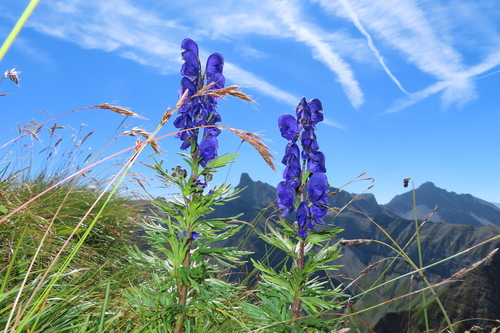
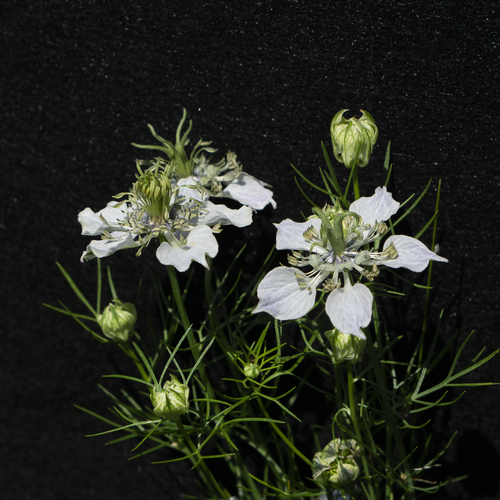

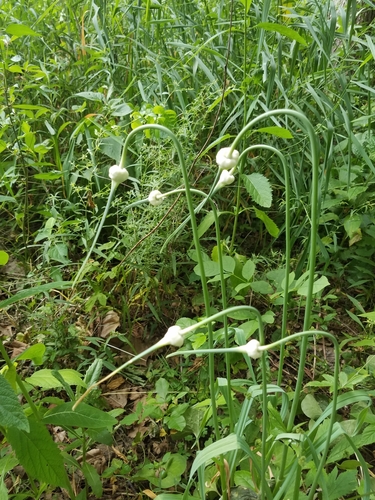


Photographs: iNaturalist contributors under the licences shown. Records: GBIF.org. Historical plates: Source Library (CC BY-SA 4.0; originals public domain). Summary text: Nature Library editors and Wikipedia (CC BY-SA). Medicinal and edibility notes are historical and educational, not advice. iNaturalist taxon 118768.