 NL·0348
Herbarium of the Nature Library
- Name
- Chionis albus
- Family
- Chionidae
- Native to
- Antarctic Peninsula, South Georgia, South Orkney and South Shetland Islands; winters south to Patagonia and the Falklands
- Habitat
- Antarctic coast, Sub-Antarctic island
On eBird ↗
Snowy Sheathbill
Live sightings near you, the range map, bar charts of when it is seen, and Macaulay Library photos and recordings.
Snowy sheathbill
Chionis albus
Also calledPaloma antártica (Spanish) · Chionis blanc (French) · Pale-faced sheathbill (English)
A plump white scavenger of Antarctic penguin and seal colonies, and the only bird breeding in Antarctica that lacks webbed feet. It lives by stealing, cleaning up and scavenging.
The snowy sheathbill, also known as the greater sheathbill, pale-faced sheathbill, and paddy, is one of two species of sheathbill. It is usually found on the ground. It is the only land bird native to the Antarctic continent. Wikipedia
What it can do
- iSteals krill from penguins by startling them while they are feeding chicks
- iiEats eggs, carcasses, faeces and placentas of seals
- iiiCan fly long distances over the sea despite its pigeon-like appearance
In the field
Field marks
- aAll-white, plump pigeon-like body
- bPinkish face with fleshy warts
- cHorny sheath over base of the yellowish bill
- dShort pinkish-grey legs and unwebbed feet
- Voice
- Harsh, crow-like 'caw' calls and scolding chatter.
- Not to be confused with
- Black-faced sheathbill (southern Indian Ocean islands) has a black bill and face. Pigeons do not occur in Antarctica.
- Where to see it
- Antarctic Peninsula landings (Port Lockroy, Brown Bluff), South Georgia, Falklands in winter
- When
- Present in Antarctic summer; many winter in Falklands and Patagonia
Listen
Looking for field recordings…
Life & habits
- Diet
- Carrion, eggs, krill, seal placentas and faeces, and refuse
- Habitat
- Rocky coasts near penguin, cormorant and seal colonies; research stations
- Size
- 34–41 cm; 450–800 g
It patrols penguin colonies, harassing adults until they spill krill, which it snatches.
Where it lives
Recorded sightings
—
geo-referenced records in GBIF, from museums, herbaria and field observers.
Native range
Antarctic Peninsula, South Georgia, South Orkney and South Shetland Islands; winters south to Patagonia and the Falklands
Drag the globe to turn it. Dots are where records exist, not a range map; darker means more records.
In the stacks
Searching the stacks…
Every page naming Chionis albus in the Biodiversity Heritage Library →
Marginalia
Early sealers and explorers called sheathbills 'paddies' and noted their fearlessness around camps.
Curiosity
Sheathbills are thought to be related to shorebirds such as plovers, despite their pigeon-like look.
Kinship



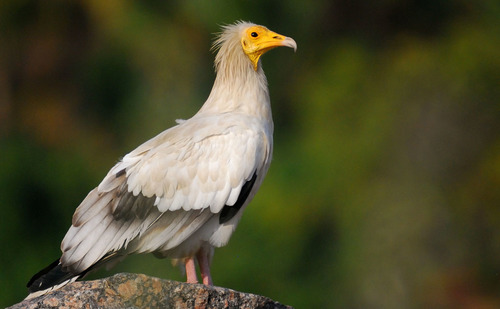
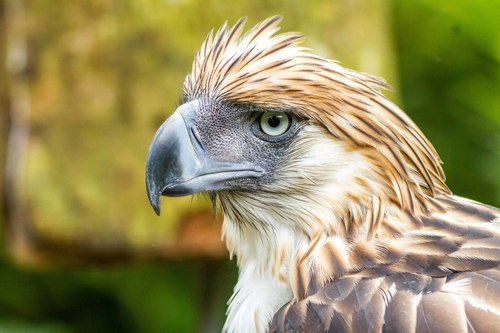

Photographs: iNaturalist contributors under the licences shown. Records: GBIF.org. Historical plates: Source Library (CC BY-SA 4.0; originals public domain). Summary text: Nature Library editors and Wikipedia (CC BY-SA). Medicinal and edibility notes are historical and educational, not advice. iNaturalist taxon 72660.