 NL·0154
Herbarium of the Nature Library
- Name
- Blighia sapida
- Family
- Sapindaceae
- Native to
- West Africa from Senegal to Gabon; introduced to Jamaica in the 18th century and grown across the Caribbean and Central America
- Habitat
- Tropical dry forest and savanna woodland, Homegardens
Ackee
Blighia sapida
Also calledAkye / Ankye (Akan, Twi) · Isin (Yoruba) · Finzan (Bambara) · Akí (Spanish) · Arbre à fricassée (French) · Vegetable brain (English folk name)
A West African evergreen, now Jamaica's national fruit, whose creamy arils are delicious — but only when the pod has opened naturally on the tree. Unripe ackee contains hypoglycin A, which causes 'Jamaican vomiting sickness' and can kill.
The ackee, also known as ackee apple, is a fruit of the Sapindaceae (soapberry) family, as are the lychee and the longan. It is native to tropical West Africa. The scientific name honours Captain William Bligh who took the fruit from Jamaica to the Royal Botanic Gardens in Kew, England, in 1793. The English common name is derived from the West African Akan-language name akye fufo. Wikipedia
What it can do
- iPods split open by themselves when ripe, revealing three arils and black seeds
- iiUnripe arils and seeds contain hypoglycin A, which blocks fat metabolism and causes severe hypoglycaemia
- iiiHypoglycin falls to safe levels in the arils only once the fruit opens naturally
- ivCrushed pods and bark lather in water and were used as soap and fish poison
At the table
Eatenaril of naturally opened ripe fruit (boiled)
Only the cream-yellow arils of fruit that has split open on the tree are eaten, after removing every seed and the pink-red membrane and boiling (discarding the water). Unripe or forced-open fruit, seeds and the membrane are poisonous and have caused many deaths.
In the medicine cabinet
| Tradition | Use |
|---|---|
| West African folk medicine | Leaf and bark preparations used for fever, headache and as eye drops |
| Caribbean folk medicine | Leaf decoction for colds |
Weight of evidence
Traditional. Long historical use; little or no modern clinical evidence.
Active compounds
hypoglycin A, hypoglycin B, fatty acids (linoleic, palmitic)
Fruit & seed


Fruit
Capsule (loculicidal)
Ripens: Two crops: January–March and June–August in Jamaica
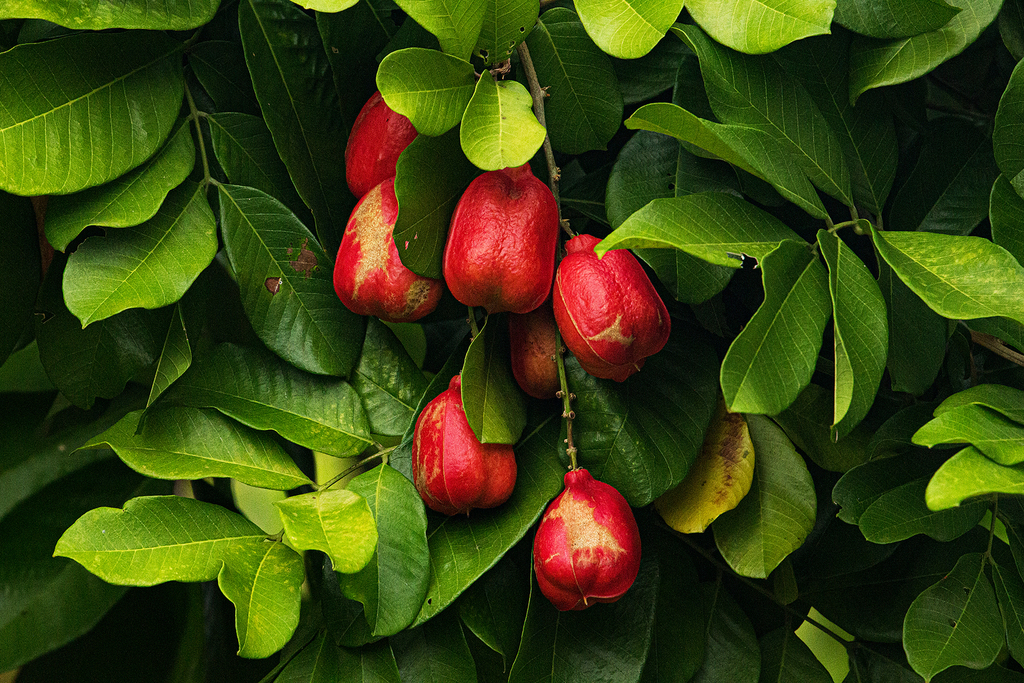
Pear-shaped, three-lobed capsule 7–10 cm, ripening from green to bright red-orange and splitting open to show three cream-yellow, brain-like arils, each capped by a glossy black seed.
Seed
2–3 cm
Shiny, jet-black, round to slightly oval seeds about 2–3 cm, one sitting atop each cream aril
- Dispersal
- Birds and mammals (including bats)
- Germination
- Sow fresh 2–3 cm deep at 25–30 °C; sprouts in 2–4 weeks. Seeds are poisonous — handle with care
Photographs from Wikimedia Commons under open licences; hover for the photographer, click for the file.
How to grow it
Hardiness (USDA zones)
USDA 10–12. Survives winters down to about -1 °C.
- Light
- Full sun
- Water
- Moderate
- Soil
- Deep, well-drained, fertile; tolerates limestone soils
- Propagation
- Seed, or grafting/air layering for earlier fruiting
- To harvest
- 3–5 years from graft; 5–7 years from seed
- Climates
- Tropical, Warm subtropical
- 1Sow fresh seed or plant a grafted tree in full sun, 10 m from buildings.
- 2Water during dry spells in the first years and mulch generously.
- 3Prune to shape and keep fruit within reach.
- 4Never pick closed pods: wait until each pod has split open wide on the tree.
- 5Remove the arils, discard every seed and all of the pink membrane, then boil 10–15 minutes and discard the water before cooking (e.g. with saltfish).
Can it grow where you are?
Where it lives
Recorded sightings
—
geo-referenced records in GBIF, from museums, herbaria and field observers.
Native range
West Africa from Senegal to Gabon; introduced to Jamaica in the 18th century and grown across the Caribbean and Central America
Drag the globe to turn it. Dots are where records exist, not a range map; darker means more records.
In the stacks
Searching the stacks…
Every page naming Blighia sapida in the Biodiversity Heritage Library →
Marginalia
The tree likely came to Jamaica aboard a slave ship from West Africa before 1778; it was named after Captain William Bligh, who took specimens to Kew in 1793. Ackee and saltfish is Jamaica's national dish.
Curiosity
The genus is named after Captain Bligh of the Bounty, who carried ackee from Jamaica to Kew Gardens.
Kinship

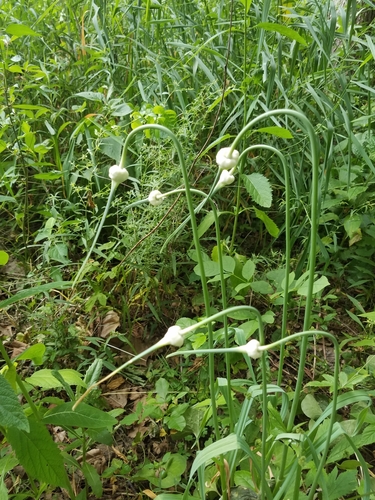

Photographs: iNaturalist contributors under the licences shown. Records: GBIF.org. Historical plates: Source Library (CC BY-SA 4.0; originals public domain). Summary text: Nature Library editors and Wikipedia (CC BY-SA). Medicinal and edibility notes are historical and educational, not advice. iNaturalist taxon 155137.