 NL·0496
Herbarium of the Nature Library
- Name
- Agelaius phoeniceus
- Family
- Icteridae
- Native to
- Alaska and Canada south through the US, Mexico and Central America to Costa Rica; also the Bahamas and Cuba
- Habitat
- Freshwater marsh, Wet meadows, Farmland
On eBird ↗
Red-winged Blackbird
Live sightings near you, the range map, bar charts of when it is seen, and Macaulay Library photos and recordings.
Red-winged blackbird
Agelaius phoeniceus
Also calledTordo sargento (Spanish) · Carouge à épaulettes (French)
One of the most abundant birds in North America, whose glossy black males flare scarlet shoulder patches from every cattail marsh in spring. Males defend territories that may hold many nesting females.
The red-winged blackbird is a passerine bird of the family Icteridae found in most of North America and much of Central America. It breeds from Alaska and Newfoundland south to Florida, the Gulf of Mexico, Mexico, and Guatemala, with isolated populations in western El Salvador, northwestern Honduras, and northwestern Costa Rica. It may winter as far north as Pennsylvania and British Columbia, but northern populations are generally migratory, moving south to Mexico and the Southern United States. Wikipedia
What it can do
- iHighly polygynous: one male's territory can host up to about 15 nesting females
- iiMales can cover their red epaulets to slip through rivals' territories unchallenged
- iiiGathers in winter roosts that can number in the millions together with grackles, cowbirds and starlings
- ivMobs hawks, crows and people near its nests
In the field
Field marks
- aMale: glossy black with red shoulder patch bordered by yellow
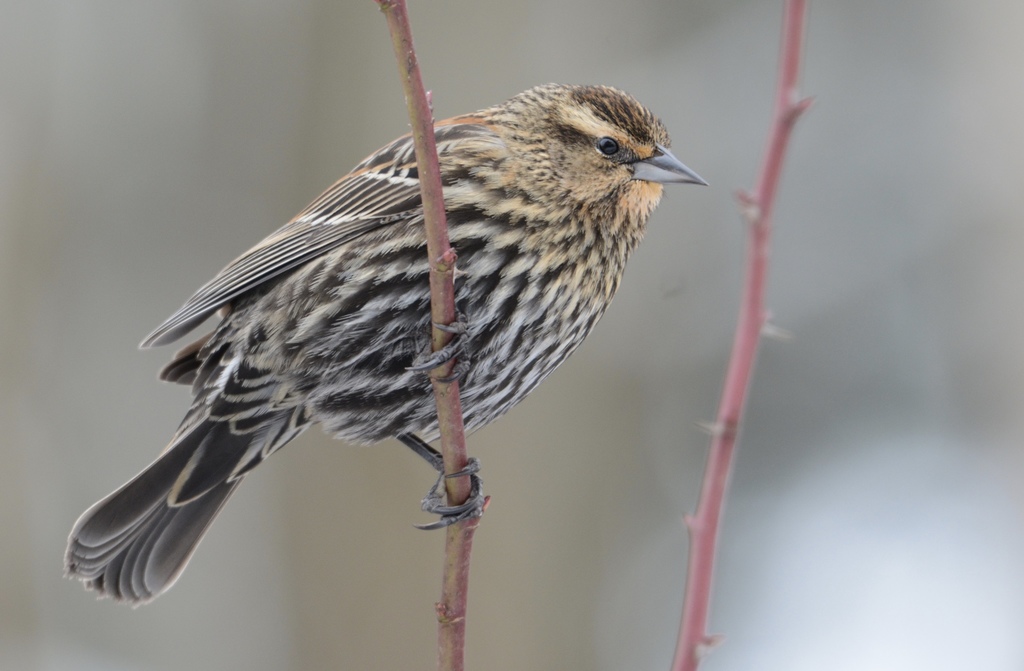
- bFemale: heavily streaked dark brown, sparrow-like, often with a peachy face
- cSharp, conical, pointed bill
- dMales puff and spread the epaulets while singing
- Voice
- A gurgling 'conk-la-ree!' or 'oak-a-lee!' ending in a trill; calls a sharp 'check' and a whistled alarm.
- Not to be confused with
- Tricolored Blackbird (California) has a darker red patch with a white border. Female could be mistaken for a large sparrow, but the long pointed bill differs. 'Bicolored' males in California lack the yellow border.
- Where to see it
- Almost any marsh, roadside ditch or wet meadow in North America from March onwards.
- When
- Resident in the south; summer visitor in the north, Mar–Oct
Listen
Looking for field recordings…
Life & habits
- Diet
- Insects in summer; seeds and grain in winter
- Habitat
- Cattail and bulrush marshes, ditches, wet fields, pastures
- Size
- 17–23 cm; 32–77 g (males much larger)
- Lifespan
- Banding record about 15 years
Males return north weeks before females and sing from cattails even in snow.
Where it lives
Recorded sightings
—
geo-referenced records in GBIF, from museums, herbaria and field observers.
Native range
Alaska and Canada south through the US, Mexico and Central America to Costa Rica; also the Bahamas and Cuba
Drag the globe to turn it. Dots are where records exist, not a range map; darker means more records.
In the old herbals & bestiaries
Woodcuts and engravings matched from the Source Library’s scanned books by name. Plates marked “relative” show a close kin rather than this exact species. Click a plate to read the page it came from, with translation.

In the stacks
Searching the stacks…
Every page naming Agelaius phoeniceus in the Biodiversity Heritage Library →
Marginalia
Mark Catesby painted it in the 1730s as 'The Red-wing'd Starling'.
Curiosity
Its genus name Agelaius means 'belonging to a flock'.
Kinship
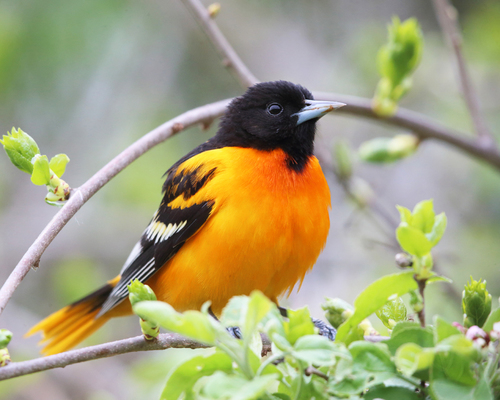
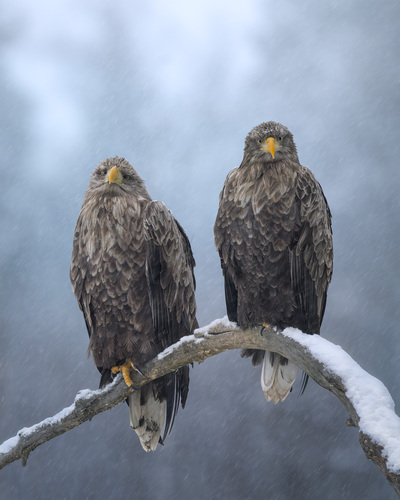
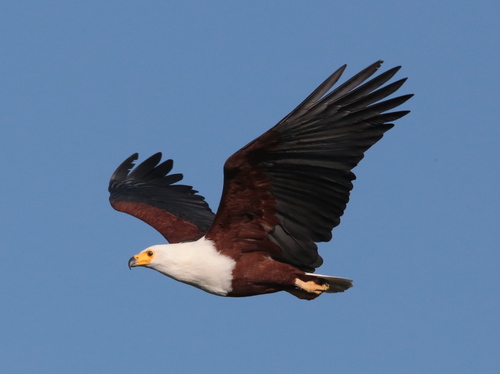

Photographs: iNaturalist contributors under the licences shown. Records: GBIF.org. Historical plates: Source Library (CC BY-SA 4.0; originals public domain). Summary text: Nature Library editors and Wikipedia (CC BY-SA). Medicinal and edibility notes are historical and educational, not advice. iNaturalist taxon 9744.