 NL·0228
Herbarium of the Nature Library
- Name
- Milvus migrans
- Family
- Accipitridae
- Native to
- Much of Europe, Africa, Asia and Australia; absent from the Americas
- Habitat
- Urban, Farmland, Wetland, Open woodland
On eBird ↗
Black Kite
Live sightings near you, the range map, bar charts of when it is seen, and Macaulay Library photos and recordings.
Black kite
Milvus migrans
Also calledCheel (Urdu/Hindi/Punjabi) · Chil (Bengali) · Hēi yuān 黑鸢 (Chinese) · Tobi トビ (Japanese) · Pariah kite
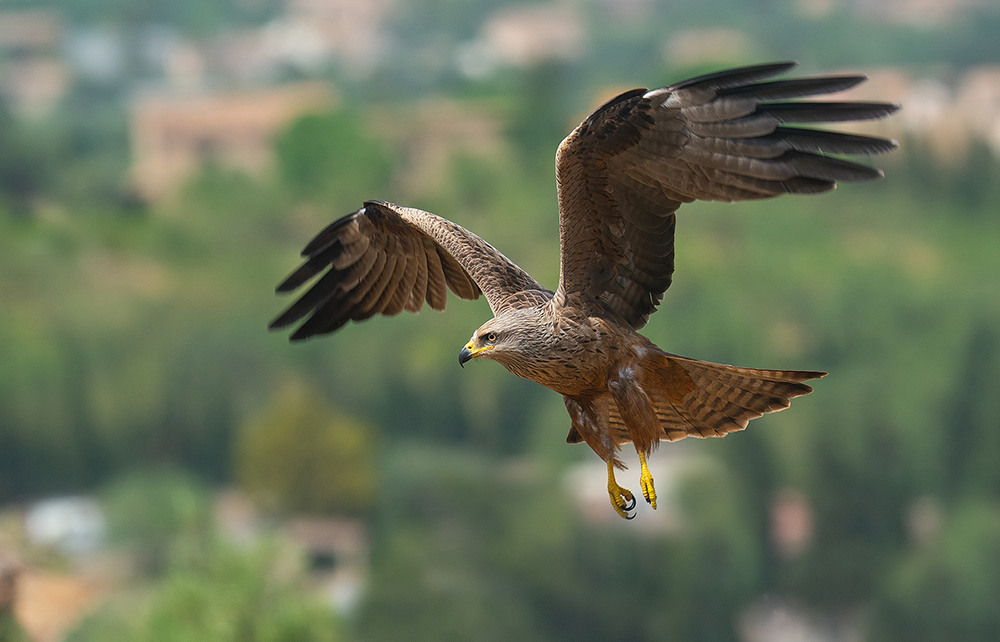
A medium-sized brown raptor with a forked tail that wheels in hundreds over South Asian cities, scavenging from rubbish dumps, slaughterhouses and markets. It is likely one of the most numerous birds of prey in the world.
The black kite or fire kite is a medium-sized bird of prey in the family Accipitridae, which also includes many other diurnal raptors. It is thought to be the world's most abundant species of Accipitridae, although some populations have experienced dramatic declines or fluctuations. Current global population estimates run up to 6.7 million individuals. Wikipedia
What it can do
- iSteers with its long forked tail, twisting it constantly to manoeuvre in crowded city air
- iiSnatches food from the ground, water or even people's hands in flight without landing
- iiiNorthern populations migrate thousands of kilometres, while South Asian city birds are resident
- ivGathers at grass fires to catch fleeing insects and small animals
In the field
Field marks
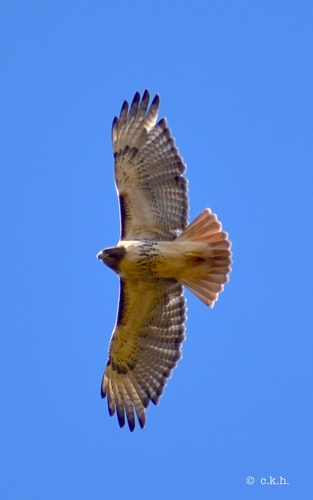
- aDark brown raptor with a long, shallowly forked tail (looks square when fully spread)
- bLong angled wings with a pale panel on the upperwing and paler 'windows' near the wingtips below
- cPale head with dark eye-patch; yellow feet
- dConstant twisting of the tail in flight
- Voice
- A high, quavering whinny 'pee-errrr', often given in flight
- Not to be confused with
- Brahminy kite is chestnut with a white head and a rounded tail; Red kite (rare in Asia) is rufous with a deeply forked tail; Marsh harriers have long unforked tails and glide with raised wings.
- Where to see it
- Over every large South Asian city, especially Delhi, Lahore, Karachi and Dhaka
- When
- Resident in South Asian cities; the black-eared form is a winter visitor from Central and East Asia
Listen
Looking for field recordings…
Life & habits
- Diet
- Carrion, refuse, fish, rodents, insects, small birds; opportunistic scavenger
- Habitat
- Cities, villages, river banks, wetlands and open country
- Size
- About 50–60 cm long; wingspan about 130–155 cm
Soars and circles over cities for hours, then swoops down to snatch scraps with its feet; on summer days flocks of hundreds may circle together.
Where it lives
Recorded sightings
—
geo-referenced records in GBIF, from museums, herbaria and field observers.
Native range
Much of Europe, Africa, Asia and Australia; absent from the Americas
Drag the globe to turn it. Dots are where records exist, not a range map; darker means more records.
In the old herbals & bestiaries
Woodcuts and engravings matched from the Source Library’s scanned books by name. Plates marked “relative” show a close kin rather than this exact species. Click a plate to read the page it came from, with translation.

In the stacks
Searching the stacks…
Every page naming Milvus migrans in the Biodiversity Heritage Library →
Marginalia
In Delhi's Wazirabad, brothers Nadeem Shehzad and Mohammad Saud have rescued thousands of injured kites, many cut by kite-flying strings; their work is the subject of the 2022 documentary 'All That Breathes'.
Curiosity
Black kites in northern Australia have been documented picking up burning sticks and dropping them to spread grass fires, flushing prey.
Kinship


Photographs: iNaturalist contributors under the licences shown. Records: GBIF.org. Historical plates: Source Library (CC BY-SA 4.0; originals public domain). Summary text: Nature Library editors and Wikipedia (CC BY-SA). Medicinal and edibility notes are historical and educational, not advice. iNaturalist taxon 5268.