 NL·0224
Herbarium of the Nature Library
- Name
- Haliaeetus leucocephalus
- Family
- Accipitridae
- Native to
- Most of North America, from Alaska and Canada to northern Mexico
- Habitat
- Lakes, Rivers, Coasts, Forest
On eBird ↗
Bald Eagle
Live sightings near you, the range map, bar charts of when it is seen, and Macaulay Library photos and recordings.
Bald eagle
Haliaeetus leucocephalus
Also calledMigizi (Ojibwe) · Águila calva (Spanish) · Pygargue à tête blanche (French) · Hvidhovedet havørn (Danish)
A sea eagle of North America, the national bird of the United States. It builds the largest nests of any North American bird, used and added to for decades.
The bald eagle is a bird of prey found in North America. A sea eagle, it has two known subspecies and forms a species pair with the white-tailed eagle, which occupies the same niche as the bald eagle in the Palearctic. Its range includes most of Canada and Alaska, all of the contiguous United States, and northern Mexico. It is found near large bodies of open water with an abundant food supply and old-growth trees for nesting. Wikipedia
What it can do
- iBuilds nests up to ~3 m wide and weighing over a tonne
- iiSnatches fish from the water surface with its talons
- iiiSteals prey from ospreys and other birds (kleptoparasitism)
- ivGathers by the thousands along salmon rivers in winter
In the field
Field marks
- aAdult has a white head and tail and dark brown body
- bMassive yellow hooked bill
- cYoung birds mottled brown and white for 4–5 years
- dFlat, plank-like wings when soaring
- Voice
- A weak, high-pitched twittering chatter, surprising for its size
- Not to be confused with
- Golden eagle (vs young bald eagle) has a golden nape, smaller head and bill, and legs feathered to the toes; young goldens show neat white wing patches and a white tail base, not blotchy mottling.
- Where to see it
- Chilkat Bald Eagle Preserve near Haines, Alaska; Conowingo Dam, Maryland; locks and dams along the Mississippi River in winter
- When
- Resident in many areas; large winter gatherings Nov–Feb at open water and salmon runs
Listen
Looking for field recordings…
Life & habits
- Diet
- Mainly fish; also waterbirds and carrion
- Habitat
- Near large water bodies with tall trees
- Size
- 70–102 cm; wingspan 1.8–2.3 m
- Lifespan
- Around 20 years in the wild; record about 38
Pairs perform cartwheel courtship flights, locking talons and spinning downward together.
Where it lives
Recorded sightings
—
geo-referenced records in GBIF, from museums, herbaria and field observers.
Native range
Most of North America, from Alaska and Canada to northern Mexico
Drag the globe to turn it. Dots are where records exist, not a range map; darker means more records.
In the old herbals & bestiaries
Woodcuts and engravings matched from the Source Library’s scanned books by name. Plates marked “relative” show a close kin rather than this exact species. Click a plate to read the page it came from, with translation.


In the stacks
Searching the stacks…
Every page naming Haliaeetus leucocephalus in the Biodiversity Heritage Library →
Marginalia
Sacred to many Native American nations, its feathers are central to ceremony and regulated under US law for tribal use. It became the national emblem in 1782, and its recovery from DDT led to removal from the Endangered Species list in 2007.
Curiosity
'Bald' comes from an old meaning of 'piebald' or white-headed, not hairless.
Kinship
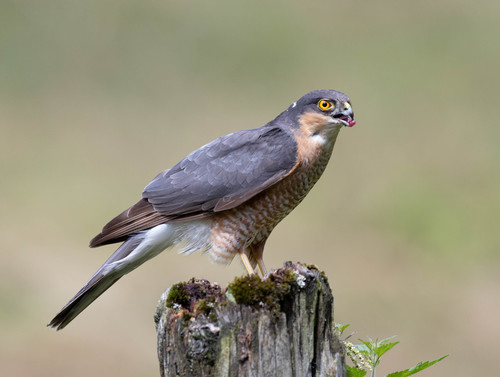

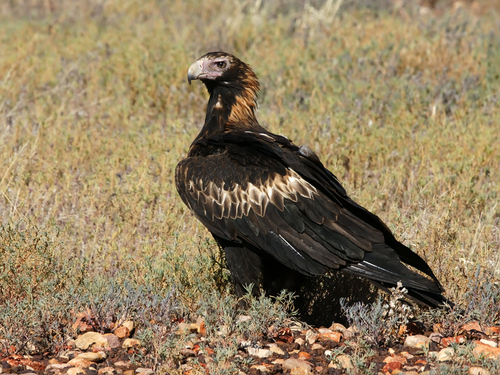
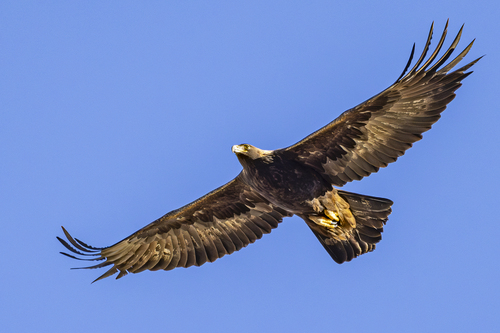

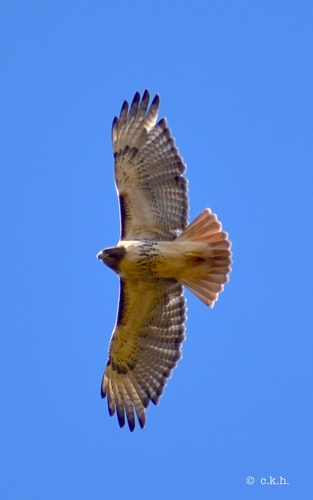
Fact-checked: 1 correction made to this sheet. Photographs: iNaturalist contributors under the licences shown. Records: GBIF.org. Historical plates: Source Library (CC BY-SA 4.0; originals public domain). Summary text: Nature Library editors and Wikipedia (CC BY-SA). Medicinal and edibility notes are historical and educational, not advice. iNaturalist taxon 5305.