 NL·0305
Herbarium of the Nature Library
- Name
- Cacatua galerita
- Family
- Cacatuidae
- Native to
- Eastern and northern Australia, Tasmania, New Guinea and nearby islands; introduced to New Zealand
- Habitat
- Woodland, Farmland, Cities
On eBird ↗
Sulphur-crested Cockatoo
Live sightings near you, the range map, bar charts of when it is seen, and Macaulay Library photos and recordings.
Sulphur-crested cockatoo
Cacatua galerita
Also calledCacatúa galerita (Spanish) · Kakatua jambul kuning (Indonesian) · Cacatoès à huppe jaune (French)
A large white cockatoo of Australia and New Guinea with a bright yellow crest. In Sydney, cockatoos have learned to open wheelie-bin lids, a skill that spread from suburb to suburb through social learning.
The sulphur-crested cockatoo is a relatively large white cockatoo found in wooded habitats in Australia, New Guinea, and some of the islands of Indonesia. They can be locally very numerous, leading to them sometimes being considered pests. As highly intelligent birds, they are well known in aviculture, although they can be demanding pets. Wikipedia
What it can do
- iLearned bin-opening that spread socially, with local 'styles' (Klump et al. 2021)
- iiA captive bird named Snowball (Cacatua galerita eleonora) dances in time to music, showing beat synchronisation
- iiiFlocks post sentinels that screech alarms
- ivCan live 70 years or more in captivity
In the field
Field marks
- aLarge white cockatoo
- bLong, forward-curving yellow crest
- cPale yellow wash under wings and tail
- dDark grey bill
- Voice
- Very loud, harsh screeches
- Not to be confused with
- Little corella and long-billed corella have no yellow crest and show bare bluish skin around the eye.
- Where to see it
- Royal Botanic Garden Sydney and parks of eastern Australian cities
- When
- Resident
Listen
Looking for field recordings…
Life & habits
- Diet
- Seeds, roots, nuts, bulbs, berries and insect larvae
- Habitat
- Wooded country, farmland and city parks
- Size
- 45–55 cm
- Lifespan
- 20–40 years in the wild; 70+ in captivity
Large, raucous flocks forage on the ground while some birds stand guard in trees.
Where it lives
Recorded sightings
—
geo-referenced records in GBIF, from museums, herbaria and field observers.
Native range
Eastern and northern Australia, Tasmania, New Guinea and nearby islands; introduced to New Zealand
Drag the globe to turn it. Dots are where records exist, not a range map; darker means more records.
In the old herbals & bestiaries
Woodcuts and engravings matched from the Source Library’s scanned books by name. Plates marked “relative” show a close kin rather than this exact species. Click a plate to read the page it came from, with translation.


In the stacks
Searching the stacks…
Every page naming Cacatua galerita in the Biodiversity Heritage Library →
Marginalia
A cockatoo appears in a 13th-century manuscript of Emperor Frederick II's falconry treatise, having been gifted to him from the Sultan of Babylon, among the oldest European records of an Australasian bird.
Curiosity
Some Sydney cockatoos have also learned to turn on drinking-fountain taps.
Kinship
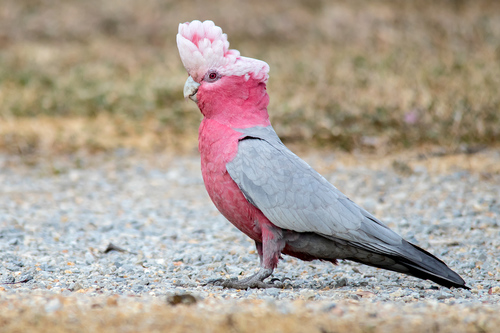



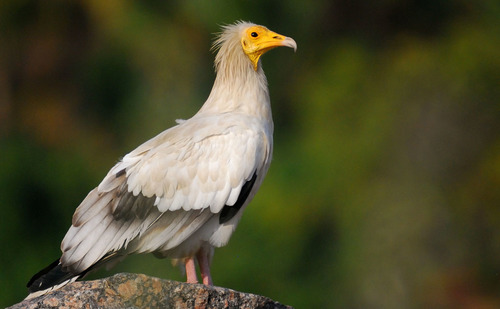
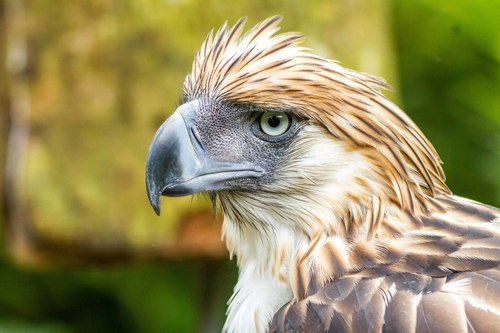
Photographs: iNaturalist contributors under the licences shown. Records: GBIF.org. Historical plates: Source Library (CC BY-SA 4.0; originals public domain). Summary text: Nature Library editors and Wikipedia (CC BY-SA). Medicinal and edibility notes are historical and educational, not advice. iNaturalist taxon 116834.