 NL·0652
Herbarium of the Nature Library
- Name
- Psittacula krameri
- Family
- Psittaculidae
- Native to
- Sahel belt of Africa and the Indian subcontinent (Pakistan, India, Nepal, Bangladesh, Sri Lanka) to Myanmar; feral populations across Europe, the Middle East, East Asia and the Americas
- Habitat
- Urban, Farmland, Open woodland
On eBird ↗
Rose-ringed Parakeet
Live sightings near you, the range map, bar charts of when it is seen, and Macaulay Library photos and recordings.
Rose-ringed parakeet
Psittacula krameri
Also calledTota (Urdu/Hindi/Punjabi) · Tiya (Bengali) · Kili (Tamil) · Shuka (Sanskrit) · Hóng lǐng lǜ yīngwǔ 红领绿鹦鹉 (Chinese) · Ring-necked parakeet
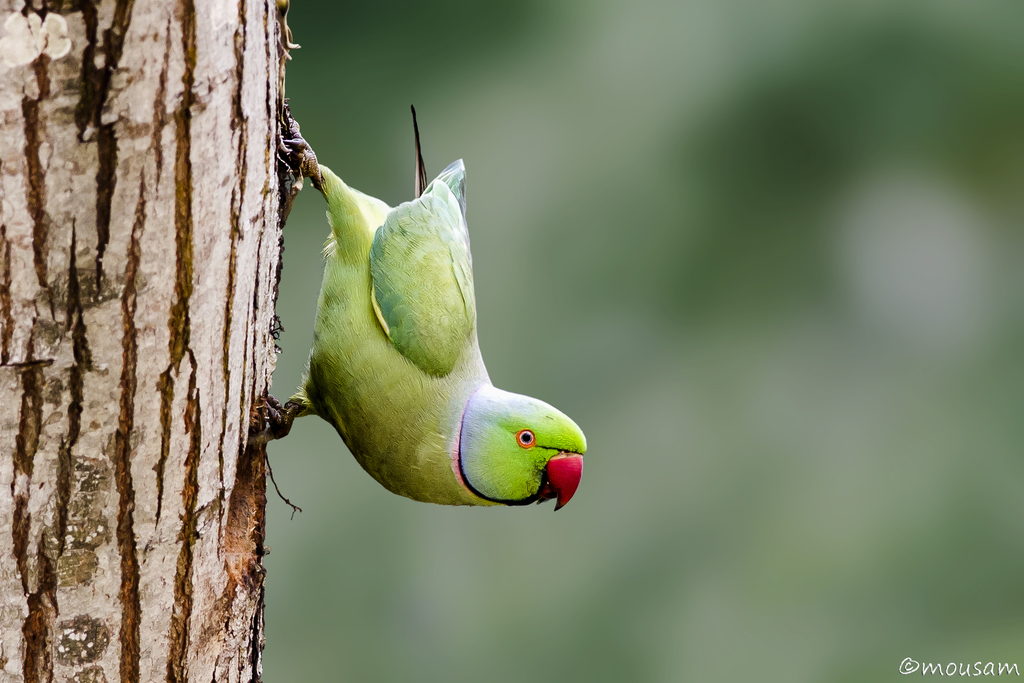
A bright green, long-tailed parrot whose screeching flocks streak over South Asian cities and farmland. It is among the most successful parrots on Earth, with feral colonies thriving in London, Amsterdam, Istanbul and dozens of other cities.
The rose-ringed parakeet, also known as the ring-necked parakeet, or colloquially as the Indian Ringneck, is a medium-sized parrot in the genus Psittacula, of the family Psittaculidae. It has a disjunct native range in tropical northern Africa and the Indian subcontinent, and is now introduced into many other parts of the world where populations have established themselves having been bred for the exotic pet trade and then escaped. Wikipedia
What it can do
- iSurvives freezing European winters in feral colonies by exploiting garden bird feeders
- iiLearns human speech well in captivity
- iiiRaids orchards and grain fields in large flocks, cracking seeds with its hooked bill
- ivNests early in tree holes, competing with native hole-nesters
In the field
Field marks
- aBright green with a very long, pointed blue-green tail
- bDeep red hooked bill
- cMale has a black chin stripe and a thin rose-pink and black neck ring; females and young lack the ring
- dFast, direct flight with rapid wingbeats
- Voice
- Loud, shrill screeching 'kee-ak' calls, especially in flight
- Not to be confused with
- Alexandrine parakeet is much larger with a heavier bill and a maroon shoulder patch; Plum-headed parakeet has a plum-red (male) or grey (female) head; Slaty-headed parakeet (Himalaya) has a grey head.
- Where to see it
- Abundant in cities and farmland across Pakistan and India, from Lahore and Islamabad to Delhi; also London's parks
- When
- Resident year-round
Listen
Looking for field recordings…
Life & habits
- Diet
- Seeds, grain, fruit, buds, flowers and nectar
- Habitat
- Open woodland, farmland, orchards, parks and city avenues
- Size
- About 40 cm including the long tail
Gathers in large, raucous communal roosts in city trees each evening; pairs nest in natural holes or excavate soft wood.
Where it lives
Recorded sightings
—
geo-referenced records in GBIF, from museums, herbaria and field observers.
Native range
Sahel belt of Africa and the Indian subcontinent (Pakistan, India, Nepal, Bangladesh, Sri Lanka) to Myanmar; feral populations across Europe, the Middle East, East Asia and the Americas
Drag the globe to turn it. Dots are where records exist, not a range map; darker means more records.
In the old herbals & bestiaries
No plate in the Source Library names this exact species, so these show its closest relatives as the old naturalists drew them: same genus, or the same kind of animal. Click a plate to read the page it came from, with translation.

In the stacks
Searching the stacks…
Every page naming Psittacula krameri in the Biodiversity Heritage Library →
Marginalia
In Indian myth the parrot (shuka) is the mount of Kamadeva, god of love, and the sage Shuka narrates the Bhagavata Purana. On South Asian streets, trained parakeets still pick fortune cards for passers-by.
Curiosity
Feral rose-ringed parakeets have bred in Britain since at least the late 1960s, and the London population numbers in the tens of thousands.
Kinship

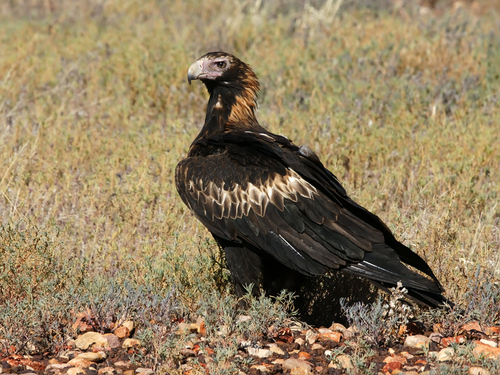
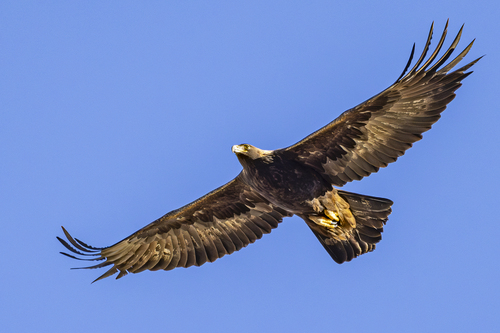
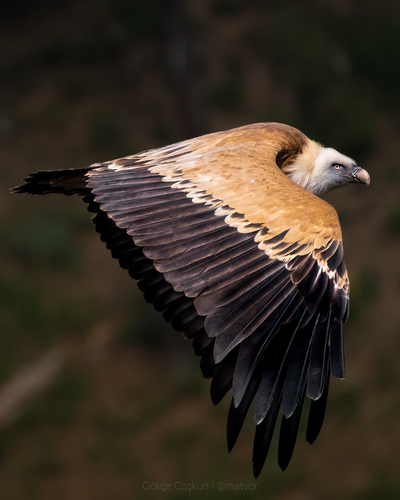

Photographs: iNaturalist contributors under the licences shown. Records: GBIF.org. Historical plates: Source Library (CC BY-SA 4.0; originals public domain). Summary text: Nature Library editors and Wikipedia (CC BY-SA). Medicinal and edibility notes are historical and educational, not advice. iNaturalist taxon 18911.