- Plants
- ›Vascular Plants
- ›flowering plants
- ›Dicots
- ›Sunflowers, Bellflowers, Fanflowers, and Allies
- ›bellflower family
- ›Lobelia subfamily
- ›Lobelia
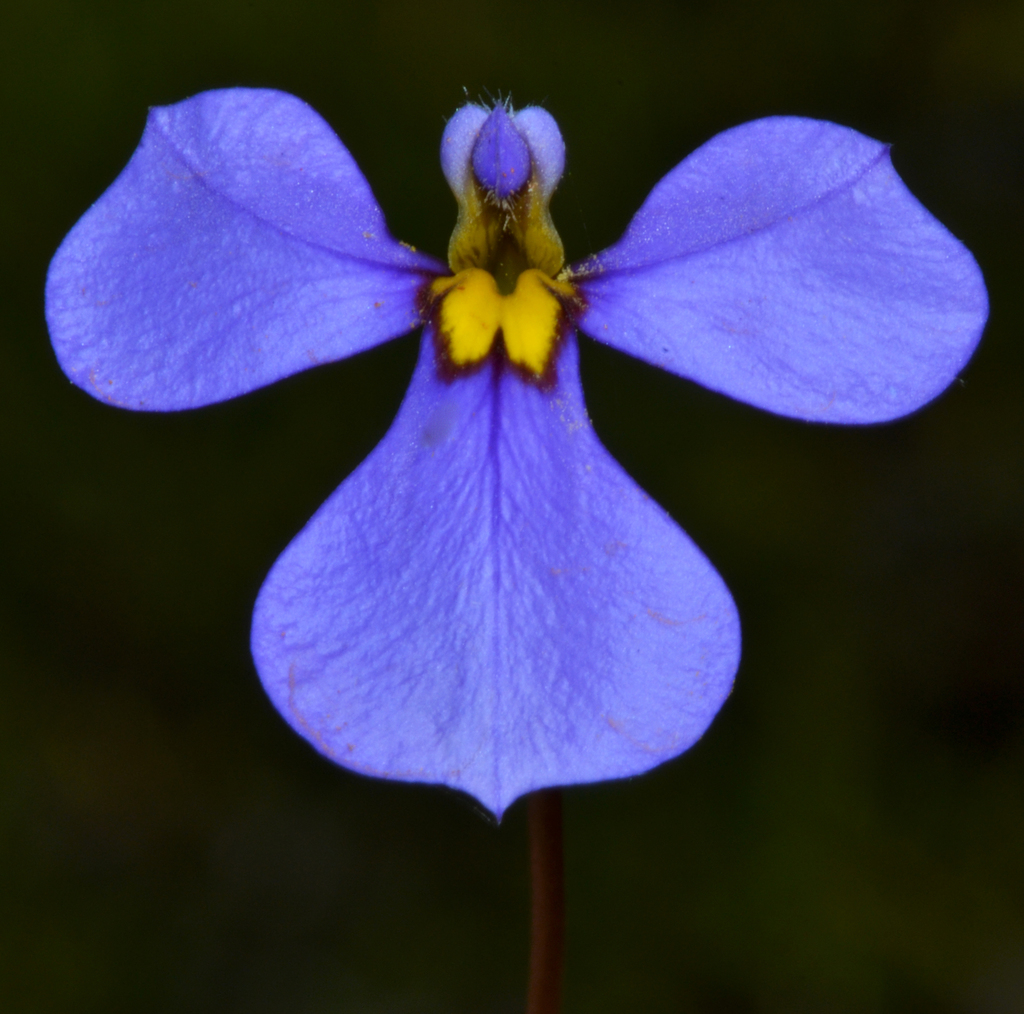
Holopogon
Neottia is a genus of orchids. The genus now includes the former genus Listera, commonly known as twayblades, referring to the single pair of opposite leaves at the base of the flowering stem. The genus is native to temperate, subarctic and arctic regions across most of Europe, northern Asia (Siberia, China, the Himalayas, Central Asia, etc), and North America, with a few species extending into subtropical regions in the Mediterranean, Indochina, the southeastern United States, etc.
Neottia produces a racemose inflorescences with flowers in shades of green or dull pink through to maroon and purple. The lip of each flower is prominently forked or two-lobed. Some species (those which were previously the only members of the genus Neottia in the strict sense, such as the bird's-nest orchid, Neottia nidus-avis) are completely without chlorophyll and have leaves which are reduced to scales.
19 branches of this group, most-observed first
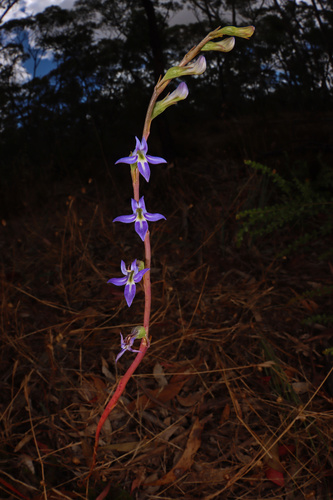
tall lobelia
speciesLobelia gibbosa
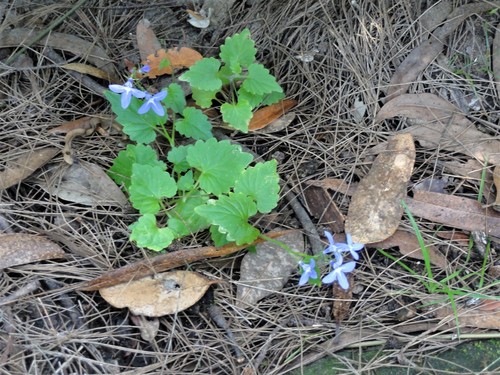
forest lobelia
speciesLobelia trigonocaulis
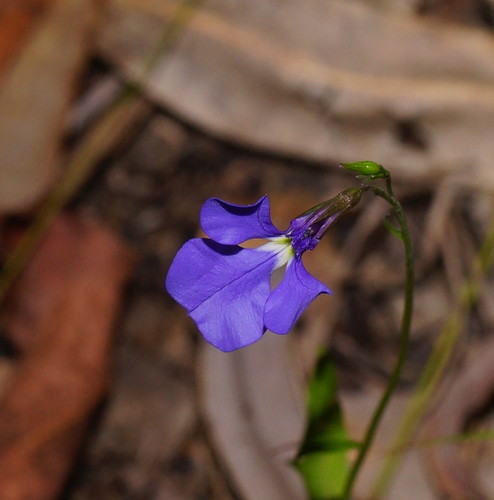
trailing lobelia
speciesLobelia andrewsii
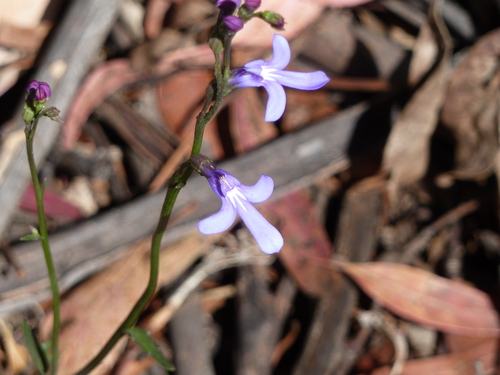
Toothed Lobelia
speciesLobelia dentata
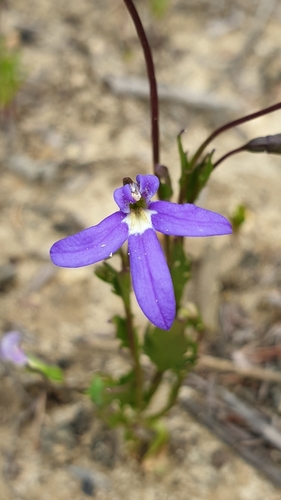
tufted lobelia
speciesLobelia rhombifolia
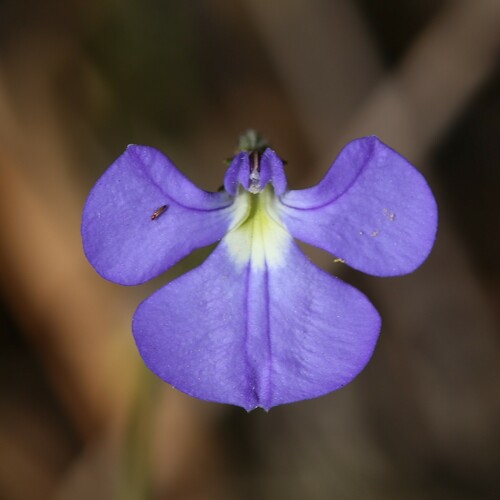
Slender Lobelia
speciesLobelia tenuior

narrow lobelia
speciesLobelia simplicicaulis
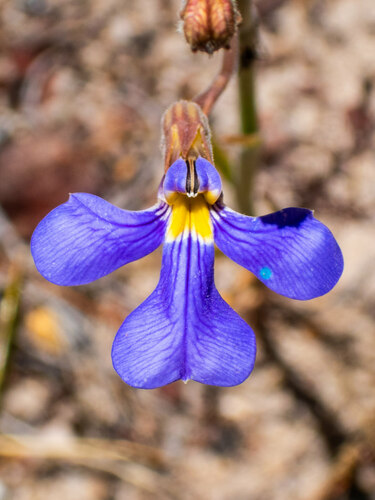
Lobelia heterophylla
speciesLobelia heterophylla
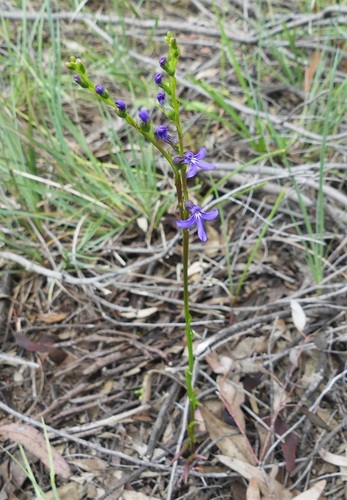
Lobelia browniana
speciesLobelia browniana

Lobelia rhytidosperma
speciesLobelia rhytidosperma

Lobelia winifrediae
speciesLobelia winifrediae

Lobelia rarifolia
speciesLobelia rarifolia
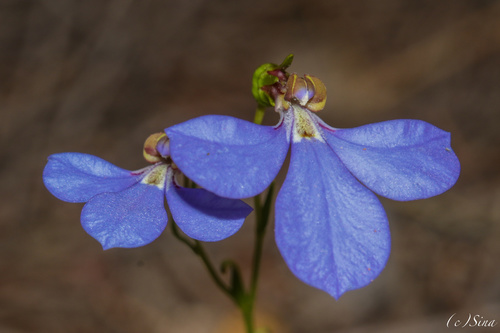
Lobelia fissiflora
speciesLobelia fissiflora
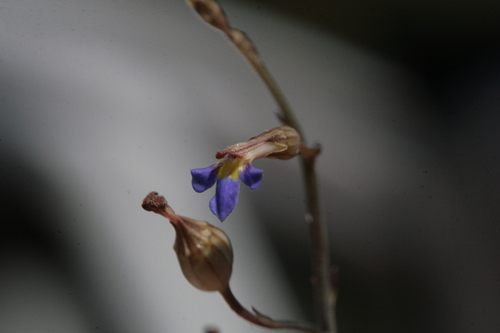
Lobelia cleistogamoides
speciesLobelia cleistogamoides

downy lobelia
speciesLobelia simulans
Lobelia gouldii
speciesLobelia gouldii
Lobelia leichhardii
speciesLobelia leichhardii
Lobelia archeri
speciesLobelia archeri
Lobelia psilostoma
speciesLobelia psilostoma
Where it lives
Recorded sightings
—
geo-referenced records in GBIF, from museums, herbaria and field observers.
Drag the globe to turn it. Dots are where records exist, not a range map; darker means more records.
In the stacks
Searching the stacks…
Every page naming Holopogon in the Biodiversity Heritage Library →
This page is assembled live from iNaturalist, GBIF, Wikipedia, the Source Library and the Internet Archive. It is not yet part of the hand-edited codex. iNaturalist taxon 999663.