
Chloridoideae
Chloridoideae is one of the largest subfamilies of grasses, with roughly 150 genera and 1,600 species, mainly found in arid tropical or subtropical grasslands. Within the PACMAD clade, their sister group is the Danthonioideae. The subfamily includes widespread weeds such as Bermuda grass (Cynodon dactylon), goosegrass (Eleusine indica) or finger grass (Chloris), but also millet species grown in some tropical regions, namely finger millet (Eleusine coracana) and teff (Eragrostis tef).
With the exception of some species in Ellisochloa and Eleusine indica, most of the subfamily's species use the C4 photosynthetic pathway. The first evolutionary transition from C3 to C4 photosynthesis in the grasses probably occurred in this subfamily, around 32 to 25 million years ago in the Oligocene.
11 branches of this subfamily, most-observed first

Cynodonteae
tribeCynodonteae
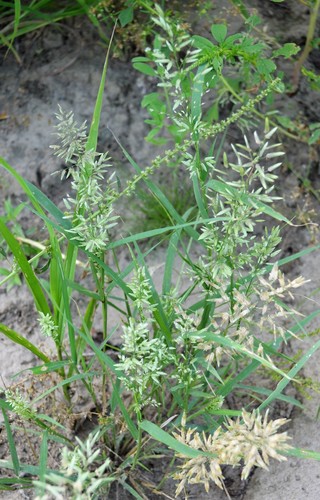
Eragrostideae
tribeEragrostideae
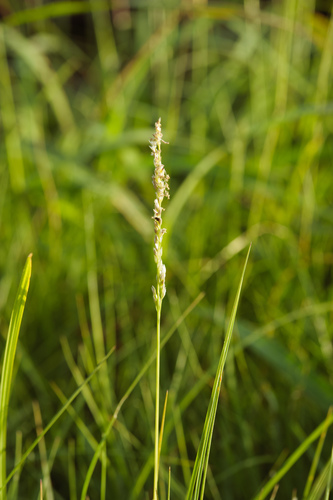
Zoysieae
tribeZoysieae
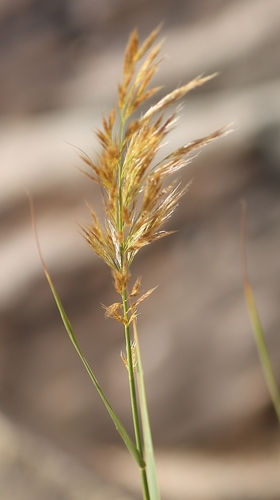
Triraphideae
tribeTriraphideae

Centropodieae
tribeCentropodieae

Indopoa
genusIndopoa
Silentvalleya
genusSilentvalleya
Myriostachya
genusMyriostachya
Pogonochloa
genusPogonochloa
Lepturopetium
genusLepturopetium
Pseudozoysia
genusPseudozoysia
Where it lives
Recorded sightings
—
geo-referenced records in GBIF, from museums, herbaria and field observers.
Drag the globe to turn it. Dots are where records exist, not a range map; darker means more records.
In the stacks
Searching the stacks…
Every page naming Chloridoideae in the Biodiversity Heritage Library →
This page is assembled live from iNaturalist, GBIF, Wikipedia, the Source Library and the Internet Archive. It is not yet part of the hand-edited codex. iNaturalist taxon 975051.