- Plants
- ›Vascular Plants
- ›flowering plants
- ›Dicots
- ›geraniums, bridal wreaths, and allies
- ›Geranium family
- ›Geranium
- ›Robertium
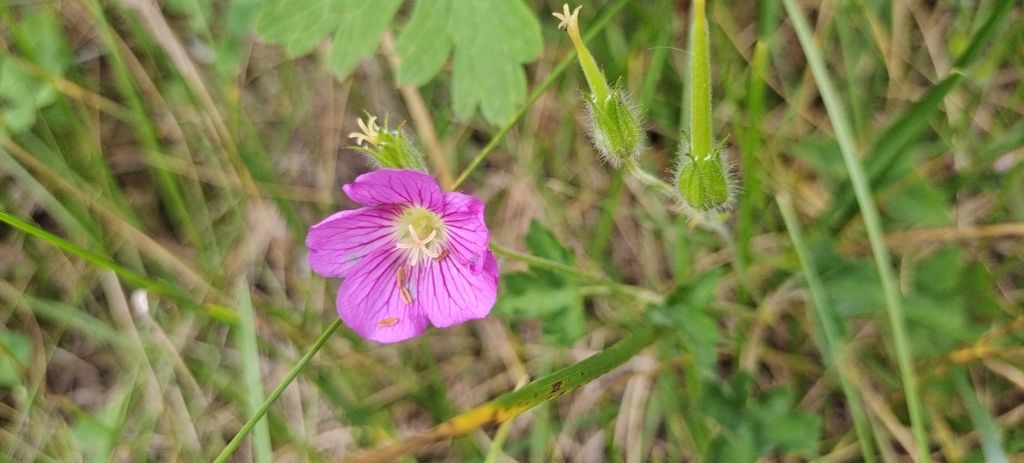
Polyantha
Garden roses are hybrid roses that are grown as ornamental plants in private or public gardens. They are one of the most popular and widely cultivated groups of flowering plants, especially in temperate climates. An enormous number of garden cultivars has been produced, especially over the last two centuries, though roses have been known in the garden for millennia beforehand. While most garden roses are grown for their flowers, often in dedicated rose gardens, some are also valued for other reasons, such as having ornamental fruit, providing ground cover, or for hedging.
The cultivars are classified in a number of different and overlapping ways, generally without much reference to strict botanical principles. Taking overall size and shape, the most common type is the bush rose, a rounded plant from 2 foot up to about 7 foot tall, above which height roses generally fall into the "climbing and rambling" class, the latter spreading wider; support is needed for these. There are also miniature roses, generally small bushes, and low sprawling ground cover roses, both up to about 15 inches tall. Most modern roses are propagated by budding onto rootstocks much closer to wild species; in "standard" shapes there is a single bare stem, with the graft at the top of that. Shrub roses are a rather loose category that include some of the original species and cultivars closely related to them, plus cultivars that grow rather larger than most bush roses. Technically all roses are shrubs.
7 branches of this group, most-observed first

Many-Flower Geranium
speciesGeranium polyanthes
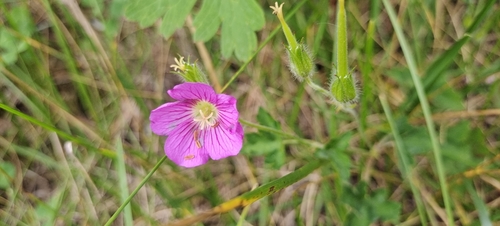
Geranium strictipes
speciesGeranium strictipes

Geranium nakaoanum
speciesGeranium nakaoanum
Geranium hispidissimum
speciesGeranium hispidissimum
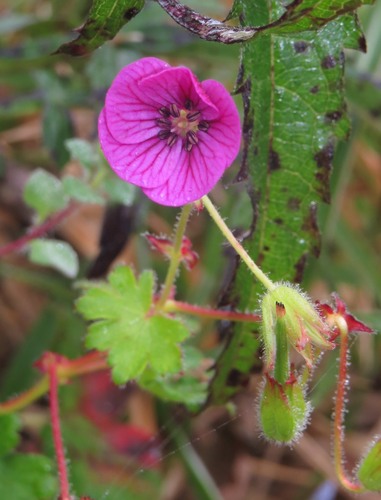
Geranium wardii
speciesGeranium wardii
Geranium moupinense
speciesGeranium moupinense
Geranium umbelliforme
speciesGeranium umbelliforme
Where it lives
Recorded sightings
—
geo-referenced records in GBIF, from museums, herbaria and field observers.
Drag the globe to turn it. Dots are where records exist, not a range map; darker means more records.
In the stacks
Searching the stacks…
Every page naming Polyantha in the Biodiversity Heritage Library →
This page is assembled live from iNaturalist, GBIF, Wikipedia, the Source Library and the Internet Archive. It is not yet part of the hand-edited codex. iNaturalist taxon 964907.