- Plants
- ›Vascular Plants
- ›flowering plants
- ›monocots
- ›Agaves, Orchids, Irises, and Allies
- ›amaryllis, onions, and allies
- ›onion subfamily
- ›Allieae
- ›Allium
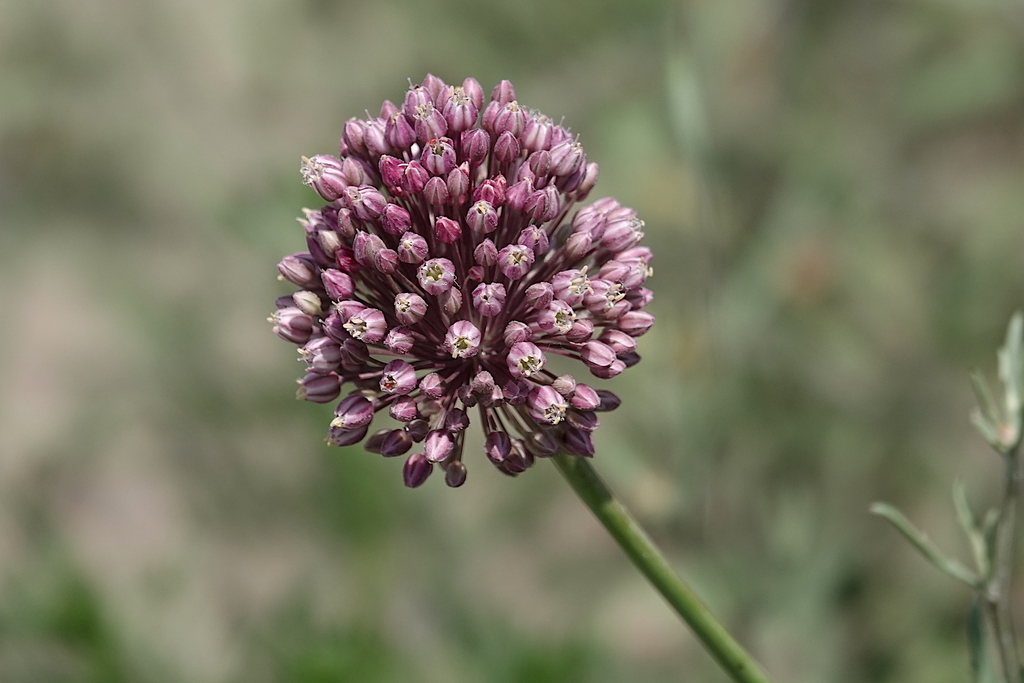
Allium Subg. Allium
Allium
Allium is a large genus of monocotyledonous flowering plants with 1112 accepted species, making Allium the largest genus in the family Amaryllidaceae and among the largest plant genera in the world. Many of the species are edible, and some have a long history of cultivation and human consumption such as the onion, garlic, scallions, shallots, leeks, and chives.
Allium species occur in temperate climates of the Northern Hemisphere, except for a few species occurring in Chile (such as A. juncifolium), Brazil (A. sellovianum), and tropical Africa (A. spathaceum). They vary in height between 5–150 centimetres (2–59 in). The flowers form an umbel at the top of a leafless stalk. The bulbs vary in size between species, from small (around 2–3 mm in diameter) to rather large (8–10 cm). Some species (such as Welsh onion A. fistulosum and leeks (A. ampeloprasum)) develop thickened leaf-bases rather than forming bulbs as such.
17 branches of this group, most-observed first

Allium
sectionAllium

Codonoprasum
sectionCodonoprasum
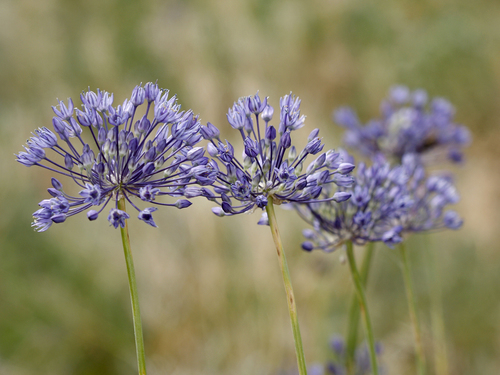
Caerulea
sectionCaerulea

Pallasia
sectionPallasia
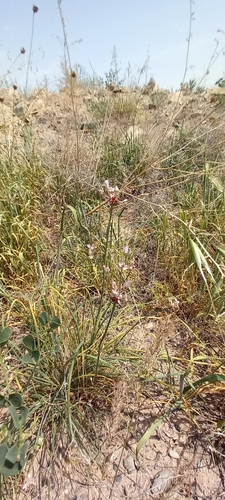
Avulsea
sectionAvulsea
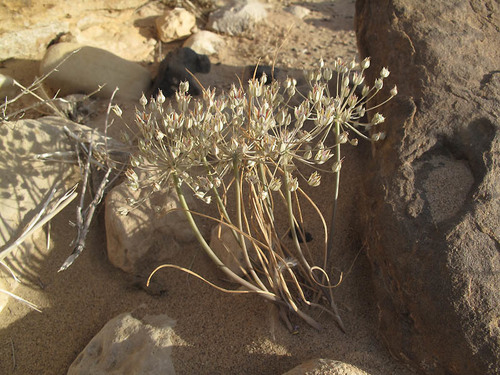
Brevispatha
sectionBrevispatha
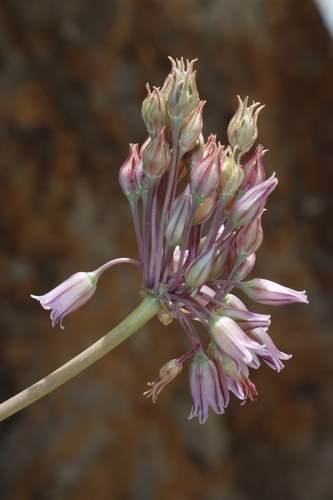
Pseudoscorodon
sectionPseudoscorodon
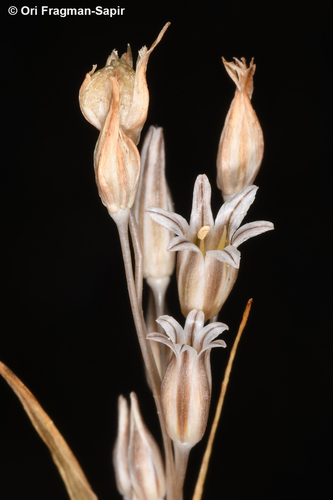
Cupanioscordum
sectionCupanioscordum
Eremoprasum
sectionEremoprasum
Mediasia
sectionMediasia
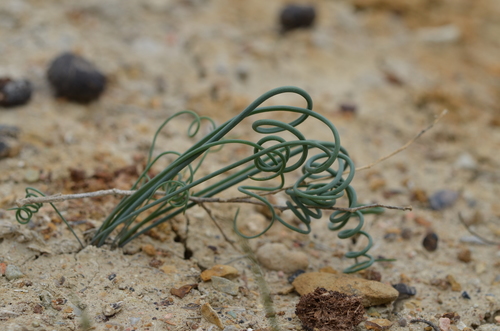
Brevidentia
sectionBrevidentia
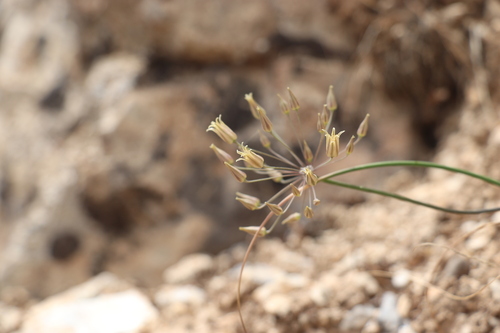
Kopetdagia
sectionKopetdagia
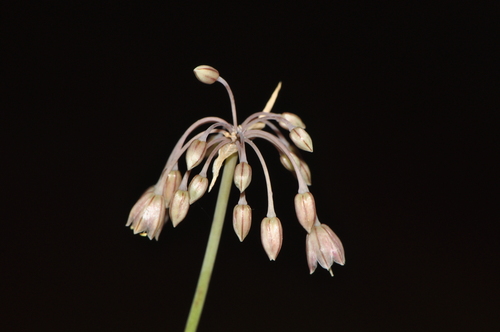
Allium ionicum
speciesAllium ionicum
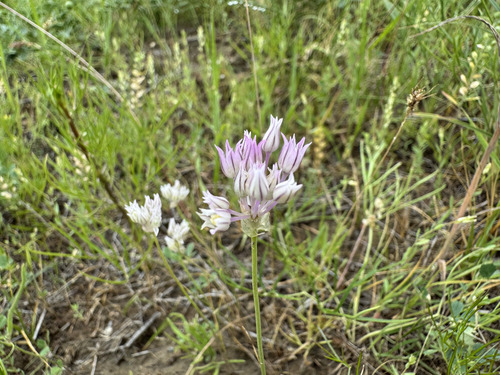
Minuta
sectionMinuta
Longivaginata
sectionLongivaginata
Spathulata
sectionSpathulata
Crystallina
sectionCrystallina
Where it lives
Recorded sightings
—
geo-referenced records in GBIF, from museums, herbaria and field observers.
Drag the globe to turn it. Dots are where records exist, not a range map; darker means more records.
In the old herbals & bestiaries

History of Rare Plants Observed in Pannonia
Carolus Clusius · 1583 · p.229

Living Images of Plants
Otto Brunfels · 1532 · p.221

Latin Herbal
1484 · p.225

Latin Herbal with German Synonyms
1486 · p.26

De medicinali materia libri sex
Dioscorides · 1552 · p.320

History of Rare Plants Observed in Pannonia
Carolus Clusius · 1583 · p.219

History of Rare Plants Observed in Pannonia
Carolus Clusius · 1583 · p.220

Latin Herbal with German Synonyms
1484 · p.55

Herbarius
1485 · p.26

Herbarius latinus (with Dutch synonyms)
1486 · p.23

Herbarius latinus (with French synonyms)
1486 · p.27

Ortus sanitatis
1491 · p.21
In the stacks
Searching the stacks…
Every page naming Allium in the Biodiversity Heritage Library →
This page is assembled live from iNaturalist, GBIF, Wikipedia, the Source Library and the Internet Archive. It is not yet part of the hand-edited codex. iNaturalist taxon 899552.