- Plants
- ›Vascular Plants
- ›flowering plants
- ›Dicots
- ›Buttercups, Poppies, and Allies
- ›barberry family
- ›Nandinoideae
- ›Leonticeae

blue cohoshes
Caulophyllum
Caulophyllum is a small genus of perennial herbs belonging to the family Berberidaceae and closely related to the Eurasian genera Leontice and Gymnospermium. It is native to eastern Asia and eastern North America. These plants are distinctive spring wildflowers, which grow in moist, rich woodland, it is known for its large triple-compound leaf, and large blue, berry-like fruits. Unlike many spring wildflowers, it is not an ephemeral plant and persists throughout much of the summer. Common names for plants in this genus include blue cohosh, squaw root, and papoose root. As hinted at by its common names, this plant is well known as an alternative medicine for inducing childbirth and menstrual flow; it is also considered a poisonous plant.
3 branches of this genus, most-observed first
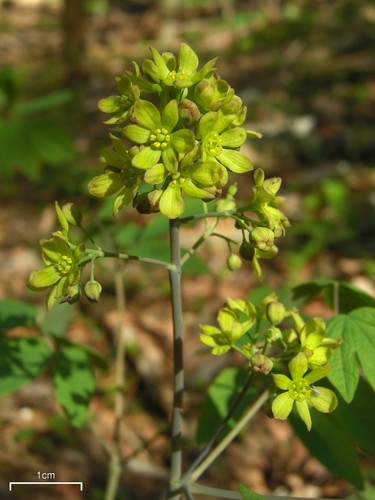
blue cohosh
speciesCaulophyllum thalictroides
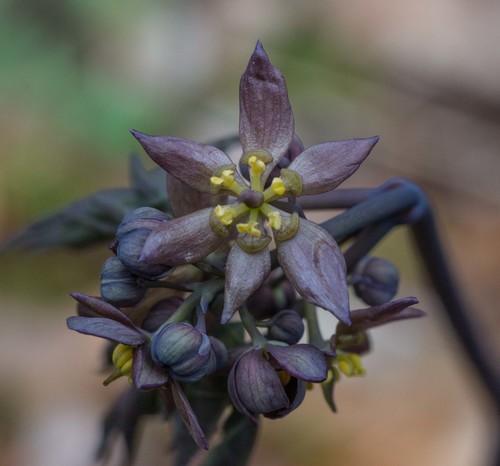
early blue cohosh
speciesCaulophyllum giganteum
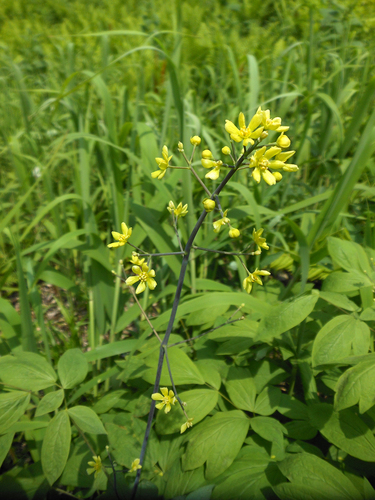
Asian blue cohosh
speciesCaulophyllum robustum
Where it lives
Recorded sightings
—
geo-referenced records in GBIF, from museums, herbaria and field observers.
Drag the globe to turn it. Dots are where records exist, not a range map; darker means more records.
In the stacks
Searching the stacks…
Every page naming Caulophyllum in the Biodiversity Heritage Library →
This page is assembled live from iNaturalist, GBIF, Wikipedia, the Source Library and the Internet Archive. It is not yet part of the hand-edited codex. iNaturalist taxon 84331.