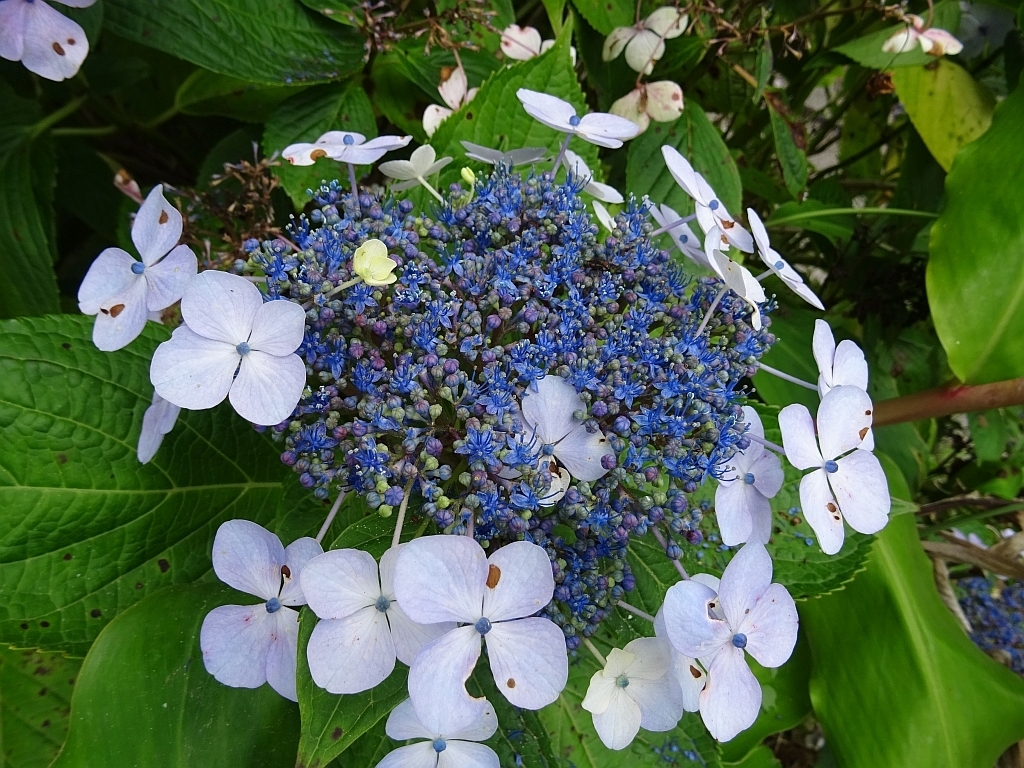
hydrangeas
Hydrangea
Hydrangea ( or ) is a genus of more than 70 species of flowering plants native to Asia and the Americas. Hydrangea is also used as the common name for the genus; some (particularly H. macrophylla) are also often called hortensia. The genus was first described from Virginia in North America, but by far the greatest species diversity is in eastern Asia, notably China, Korea, and Japan. Most are shrubs 1–3 m (3 ft 3 in – 9 ft 10 in) tall, but some are small trees, and others lianas reaching up to 30 m (100 ft) by climbing up trees. They can be either deciduous or evergreen, though the widely cultivated temperate species are all deciduous.
The flowers of many hydrangeas act as natural pH indicators, producing blue flowers when the soil is acidic and pink ones when the soil is alkaline.
28 branches of this genus, most-observed first
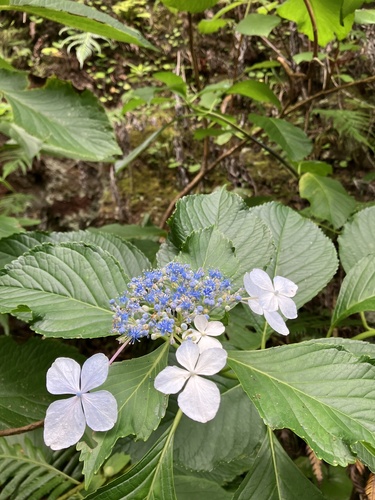
Macrophyllae
sectionMacrophyllae
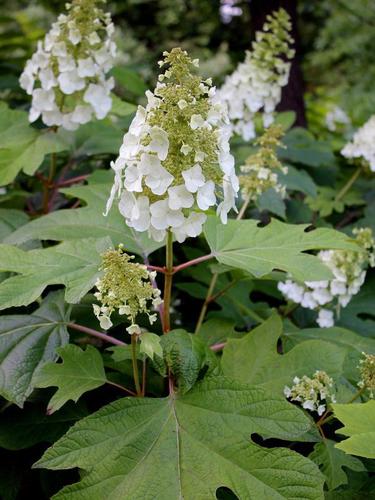
oakleaf hydrangea
speciesHydrangea quercifolia
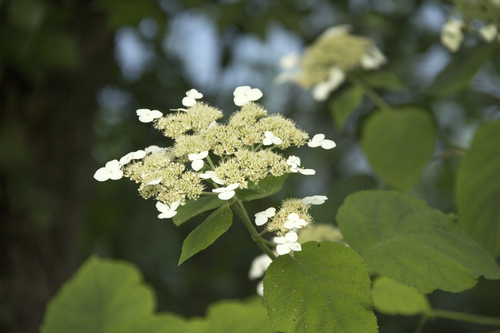
Hydrangea
sectionHydrangea
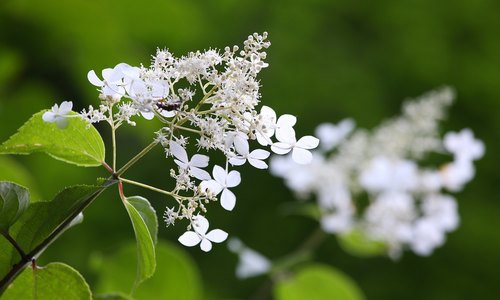
Heteromallae
sectionHeteromallae
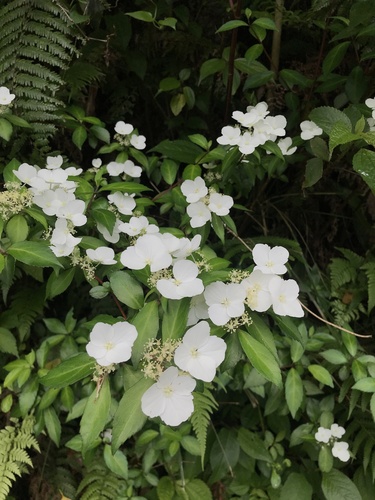
Hydrangea section Chinenses
sectionChinenses
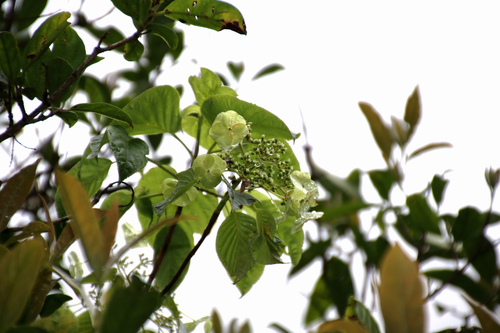
Calyptranthe
sectionCalyptranthe

Decumaria
sectionDecumaria
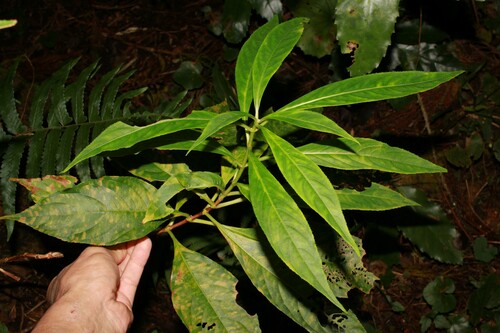
Asperae
sectionAsperae

Pileostegia
sectionPileostegia
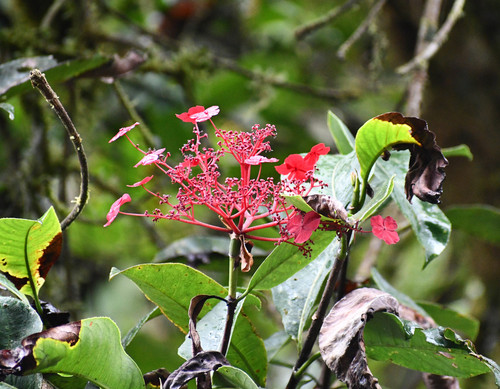
Cornidia
sectionCornidia
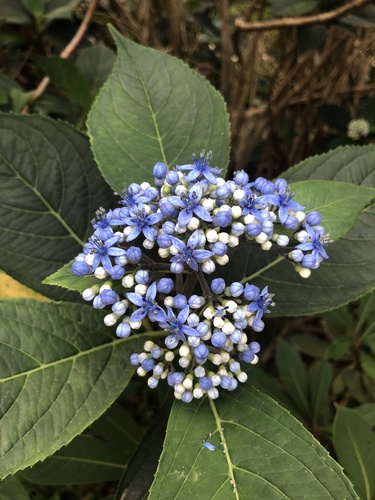
Hydrangea section Dichroa
sectionDichroa

Schizophragma
sectionSchizophragma
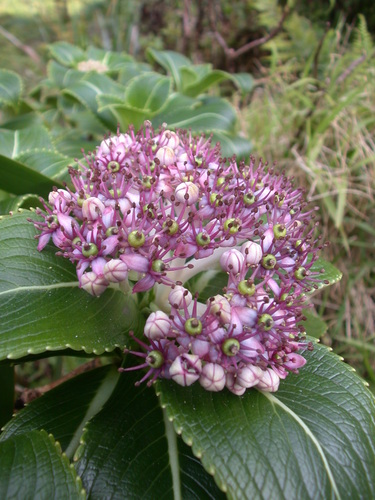
Broussaisia
sectionBroussaisia
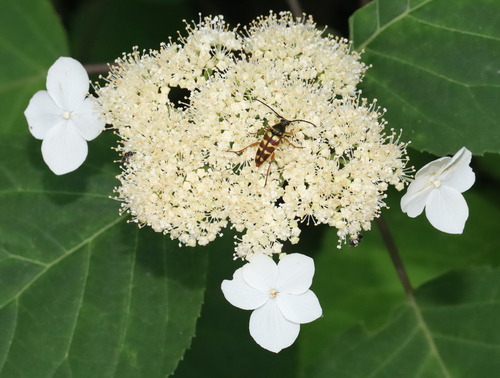
ashy hydrangea
speciesHydrangea cinerea
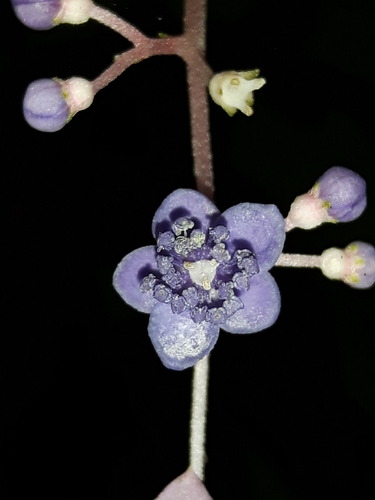
Cardiandra
sectionCardiandra
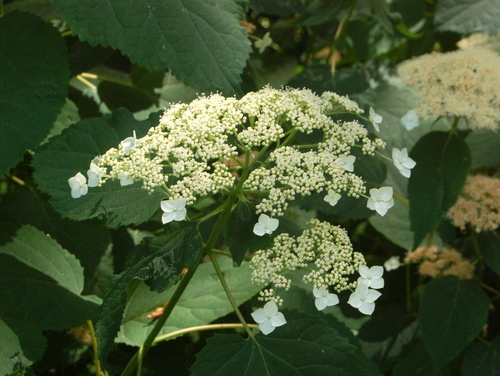
snowy hydrangea
speciesHydrangea radiata
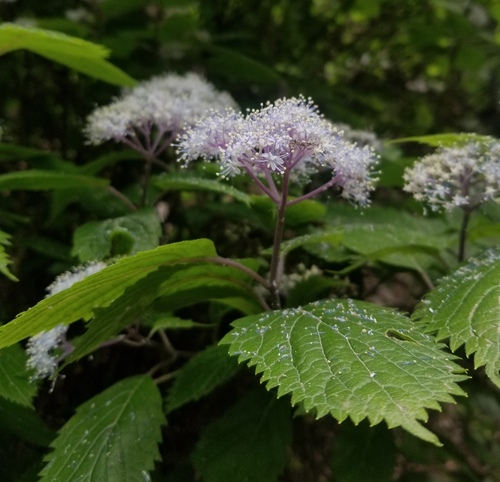
Hirtae
sectionHirtae
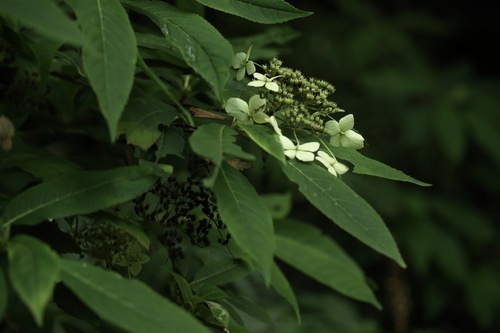
Stylosae
sectionStylosae
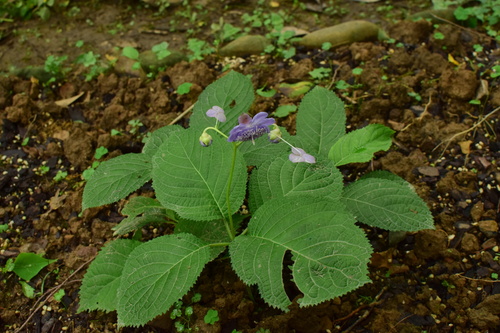
Deinanthe
sectionDeinanthe
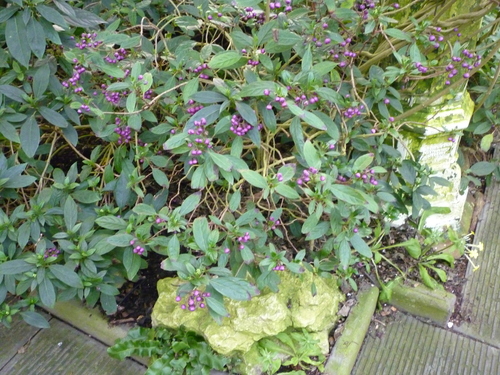
Hydrangea × versicolor
hybridHydrangea × versicolor
Hydrangea lobbii
speciesHydrangea lobbii
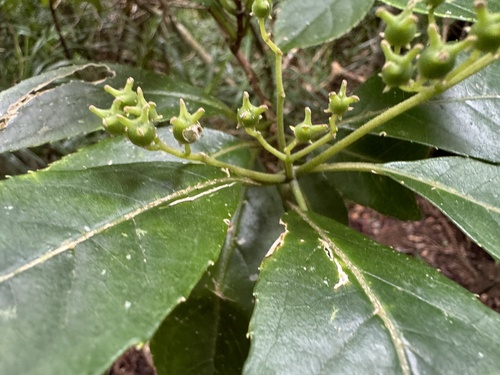
Hydrangea yayeyamensis
speciesHydrangea yayeyamensis
Hydrangea hypoglauca
speciesHydrangea hypoglauca
Hydrangea macrocarpa
speciesHydrangea macrocarpa
Hydrangea × mizushimarum
hybridHydrangea × mizushimarum
Hydrangea × amagiana
hybridHydrangea × amagiana
Hydrangea acuminata
speciesHydrangea acuminata
Hydrangea nahaensis
speciesHydrangea nahaensis
Where it lives
Recorded sightings
—
geo-referenced records in GBIF, from museums, herbaria and field observers.
Drag the globe to turn it. Dots are where records exist, not a range map; darker means more records.
In the old herbals & bestiaries

Illustrated Investigation of the Names and Realities of Plants (Volume 25)
吳其濬 · 1848 · p.39

Sancai Tuhui (Vol. 106)
王圻, 王思義 · 1609 · p.85

Illustrated Investigation of the Names and Realities of Plants (Volume 25)
吳其濬 · 1848 · p.31

Illustrated Investigation of the Names and Realities of Plants (Volume 25)
吳其濬 · 1848 · p.27

Illustrated Investigation of the Names and Realities of Plants (Volume 25)
吳其濬 · 1848 · p.29
In the stacks
Searching the stacks…
Every page naming Hydrangea in the Biodiversity Heritage Library →
This page is assembled live from iNaturalist, GBIF, Wikipedia, the Source Library and the Internet Archive. It is not yet part of the hand-edited codex. iNaturalist taxon 83157.