- Plants
- ›Vascular Plants
- ›flowering plants
- ›Dicots
- ›magnolias, nutmegs, and allies
- ›magnolia family
- ›Magnolioideae
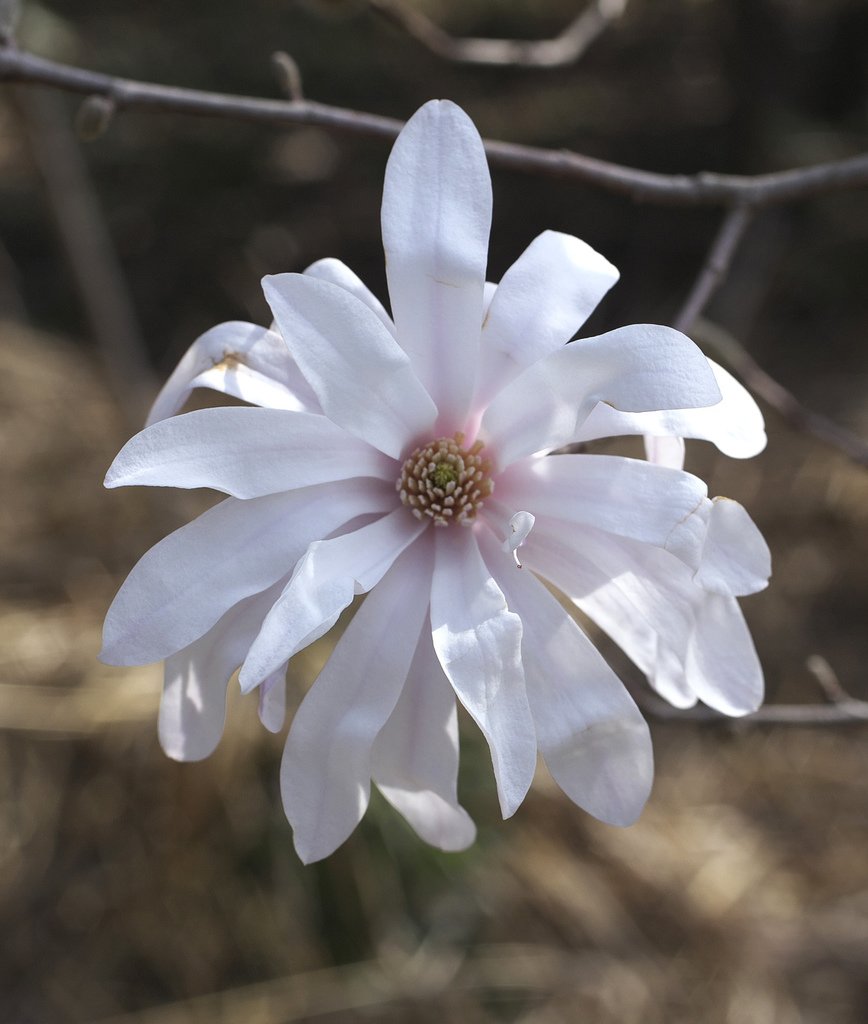
magnolias
Magnolia
Magnolia is a large genus of about 210 to 340 flowering plant species in the subfamily Magnolioideae of the family Magnoliaceae. The natural range of Magnolia species is disjunct, with a main center in east, south and southeast Asia and a secondary center in South America, Central America, the West Indies, and some species in eastern North America.
Magnolias are evergreen or deciduous trees or shrubs known for their large, fragrant, bowl- or star-shaped flowers with numerous spirally arranged reproductive parts, producing cone-like fruits in autumn that open to reveal seeds. The genus Magnolia was first named in 1703 by Charles Plumier, honoring Pierre Magnol, with early taxonomy refined by Linnaeus in the 18th century based on American and later Asian species. Modern molecular phylogenetic studies have revealed complex relationships leading to taxonomic debates about merging related genera like Michelia with Magnolia. Magnolia species are valued horticulturally for their early and showy flowering, used culinarily in various edible forms, employed in traditional medicine for their bioactive compounds like magnolol and honokiol, and harvested for timber, with hybridization enhancing desirable traits.
21 branches of this genus, most-observed first
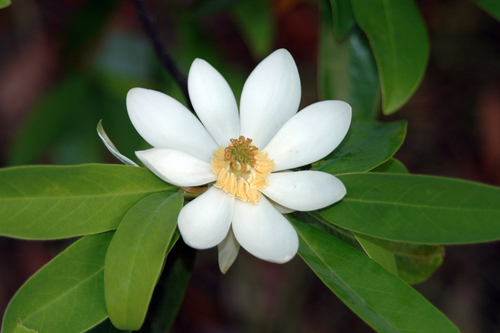
Magnolia
sectionMagnolia
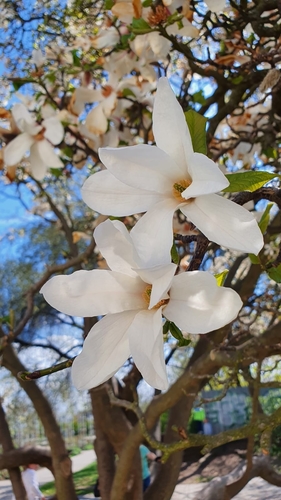
Yulania
sectionYulania
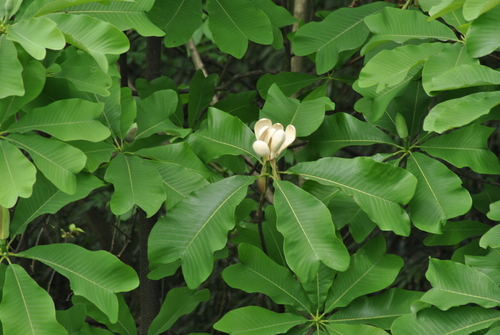
Rytidospermum
sectionRytidospermum
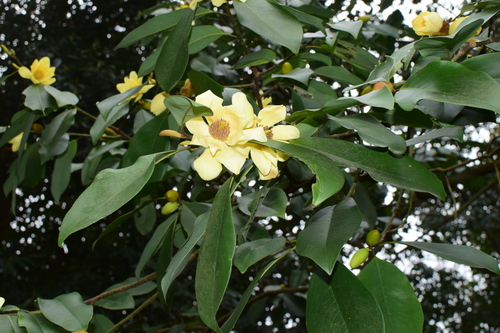
Section Michelia
sectionMichelia
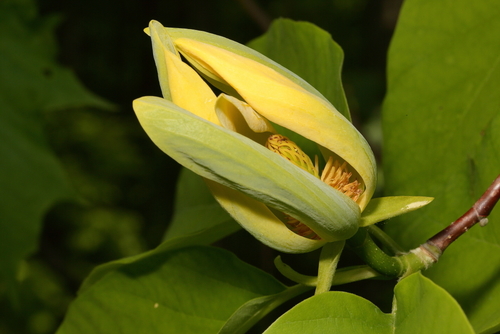
Tulipastrum
sectionTulipastrum

Macrophylla
sectionMacrophylla
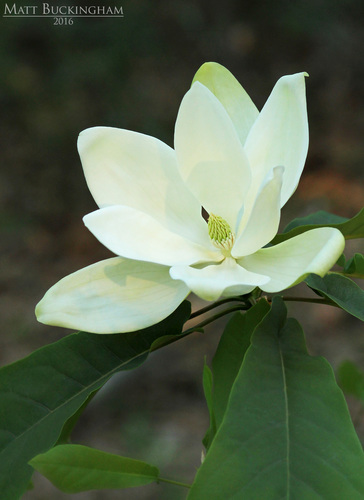
Tuliparia
sectionTuliparia

Talauma
sectionTalauma
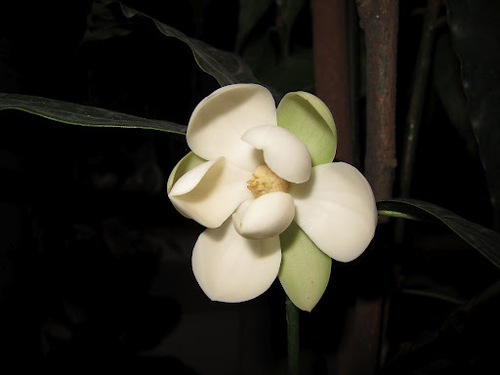
Gwillimia
sectionGwillimia
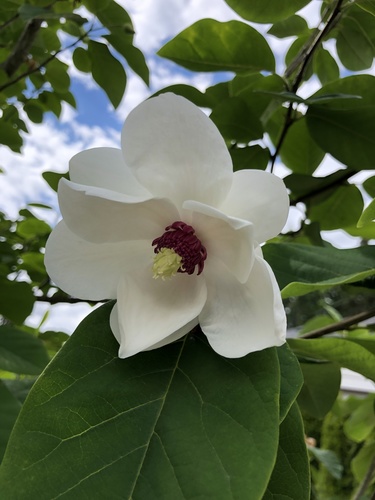
Oyama
sectionOyama

Manglietia
sectionManglietia
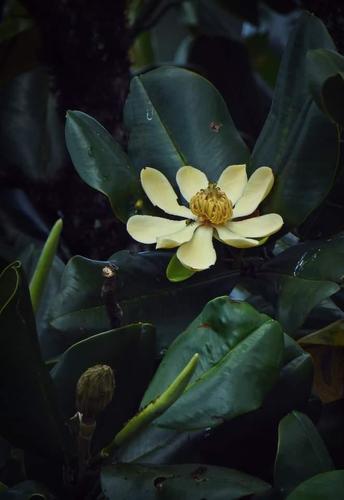
Splendentes
sectionSplendentes
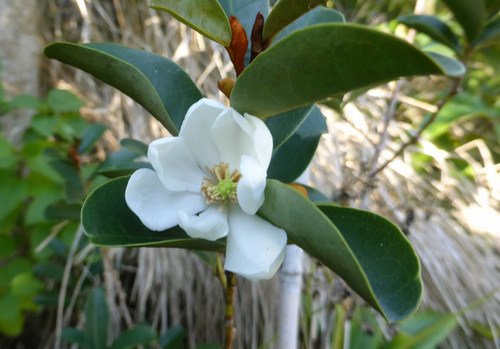
Gynopodium
sectionGynopodium
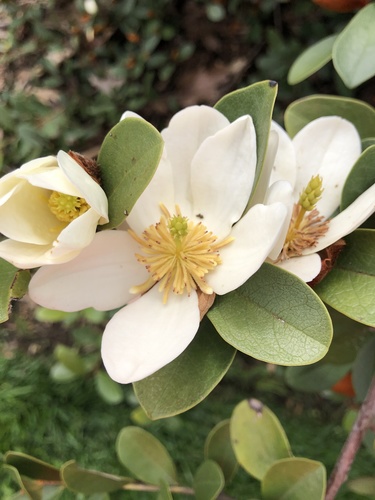
Magnolia laevifolia
speciesMagnolia laevifolia
Maingola
sectionMaingola

Magnolia × brooklynensis
hybridMagnolia × brooklynensis
Magnolia × speciosa
hybridMagnolia × speciosa
Kmeria
sectionKmeria
Magnolia × wieseneri
hybridMagnolia × wieseneri
Magnolia siamensis
speciesMagnolia siamensis
Magnolia × mirifolia
hybridMagnolia × mirifolia
Where it lives
Recorded sightings
—
geo-referenced records in GBIF, from museums, herbaria and field observers.
Drag the globe to turn it. Dots are where records exist, not a range map; darker means more records.
In the old herbals & bestiaries

The natural history of Carolina, Florida, and the Bahama Islands : containing two hundred a...
Catesby, Mark, bioloog, kunstenaar · 1743 · p.192

Hokusai Manga (北斎漫画), Vol. 2
Katsushika Hokusai · 1815 · p.24

The natural history of Carolina, Florida, and the Bahama Islands : containing two hundred a...
Catesby, Mark, bioloog, kunstenaar · 1743 · p.401

The Natural History of Carolina Florida and Bahama Islands Vol. 2
Mark Catesby · 1743 · p.247

The natural history of Carolina, Florida, and the Bahama Islands : containing two hundred a...
Catesby, Mark, bioloog, kunstenaar · 1743 · p.249

The Natural History of Carolina Florida and Bahama Islands Vol. 2
Mark Catesby · 1743 · p.352

The Natural History of Carolina Florida and Bahama Islands Vol. 2
Mark Catesby · 1743 · p.190

Mark Catesby — Piscium, serpentum, insectorum (pt. 1) (1750)
Mark Catesby · 1750 · p.192

Christoph Jakob Trew — Uitgezochte planten (1771)
Christoph Jakob Trew · 1771 · p.212

Compendium of Materia Medica
李時珍 · 1596 · p.104

Compendium of Materia Medica
李時珍 · 1596 · p.103

Compendium of Materia Medica
李時珍 · 1596 · p.7
In the stacks
Searching the stacks…
Every page naming Magnolia in the Biodiversity Heritage Library →
This page is assembled live from iNaturalist, GBIF, Wikipedia, the Source Library and the Internet Archive. It is not yet part of the hand-edited codex. iNaturalist taxon 82096.