- Plants
- ›Vascular Plants
- ›flowering plants
- ›Dicots
- ›pinks, cactuses, and allies
- ›cacti
- ›globular cacti, moonlight cacti, torch cacti, and allies
- ›Trichocereeae
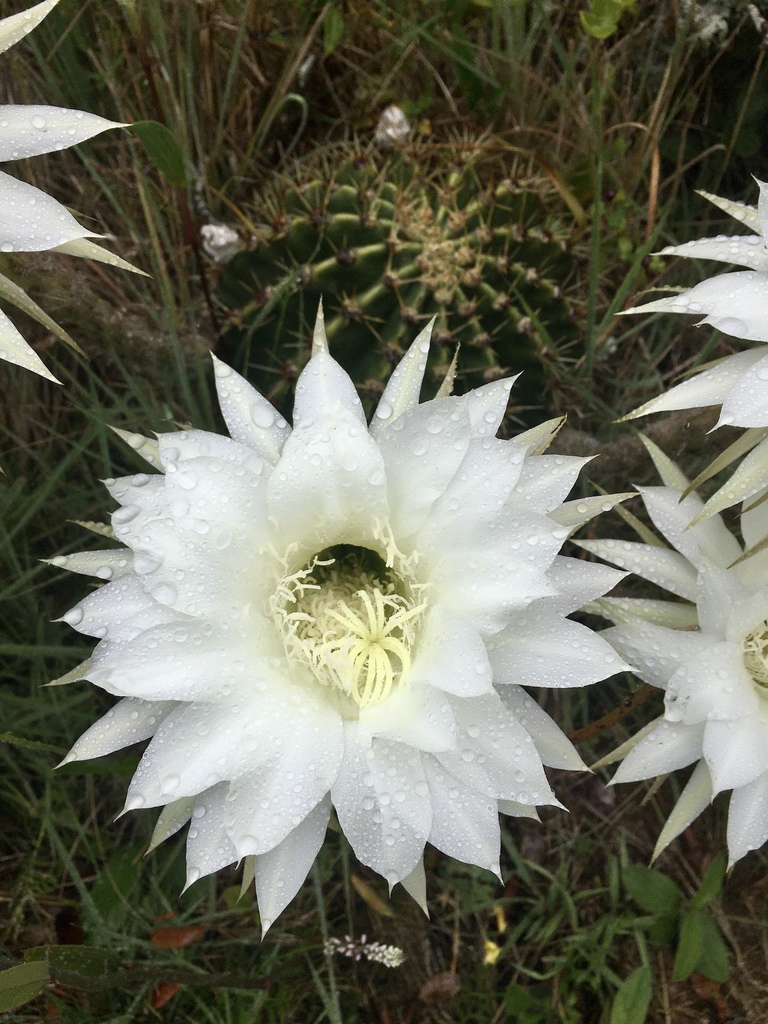
South American hedgehog cactuses
Echinopsis
Echinopsis is a genus of cacti native to South America, sometimes known as hedgehog cactus, sea-urchin cactus or Easter lily cactus. As of November 2025, Plants of the World Online used a broad circumscription of the genus, resulting in about 80 accepted species, ranging from large and treelike types to small globose cacti. The name derives from echinos hedgehog or sea urchin, and opsis appearance, a reference to these plants' dense coverings of spines.
They are known for their big size, length of tube, and beauty of their flowers, borne upon generally small and dumpy stems.
16 branches of this genus, most-observed first
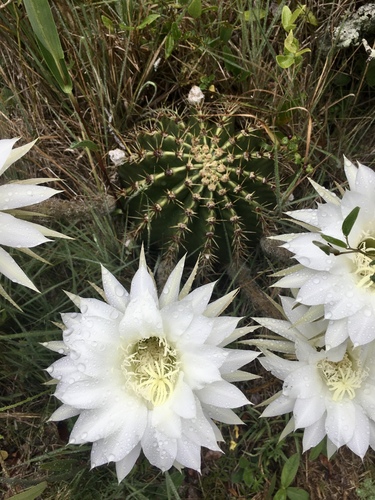
Easter Lily Cactus
speciesEchinopsis oxygona
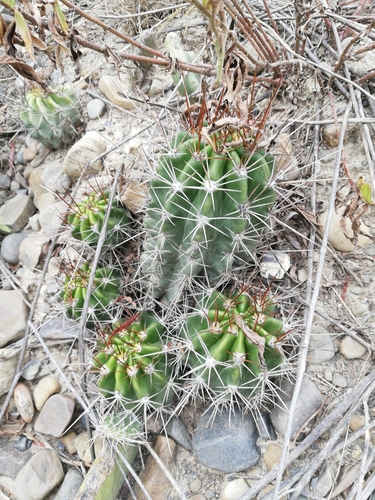
Echinopsis bridgesii
speciesEchinopsis bridgesii
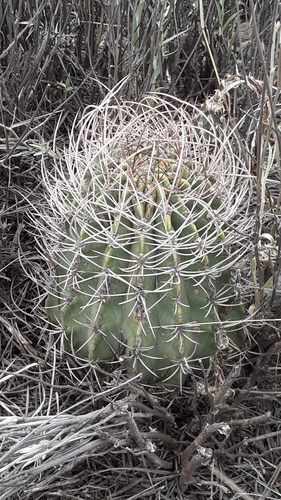
Echinopsis leucantha
speciesEchinopsis leucantha
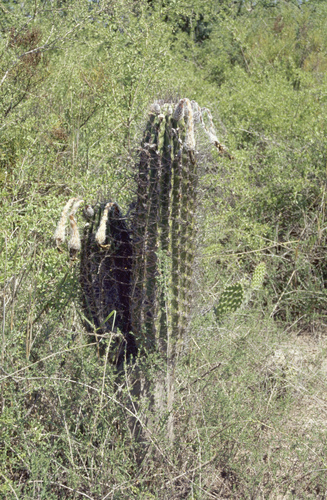
Echinopsis rhodotricha
speciesEchinopsis rhodotricha
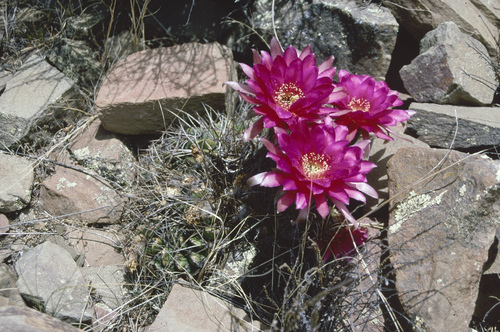
Echinopsis obrepanda
speciesEchinopsis obrepanda
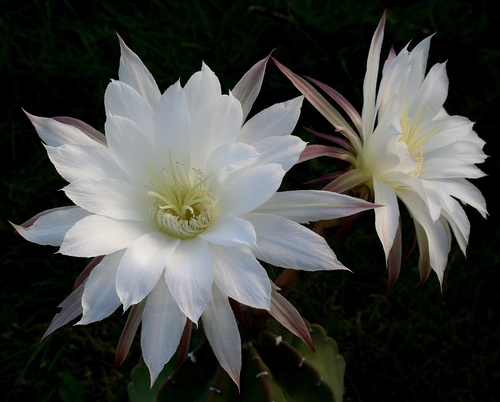
Echinopsis subdenudata
speciesEchinopsis subdenudata

Echinopsis pamparuizii
speciesEchinopsis pamparuizii

Echinopsis calochlora
speciesEchinopsis calochlora

Echinopsis mamillosa
speciesEchinopsis mamillosa
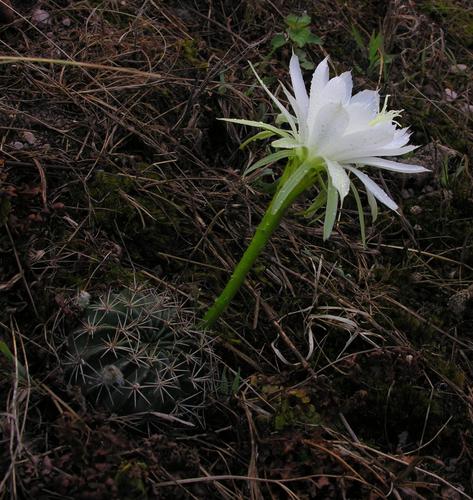
Echinopsis ancistrophora
speciesEchinopsis ancistrophora

Echinopsis rojasii
speciesEchinopsis rojasii
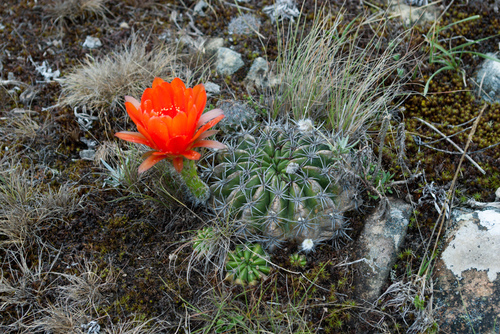
Echinopsis calorubra
speciesEchinopsis calorubra
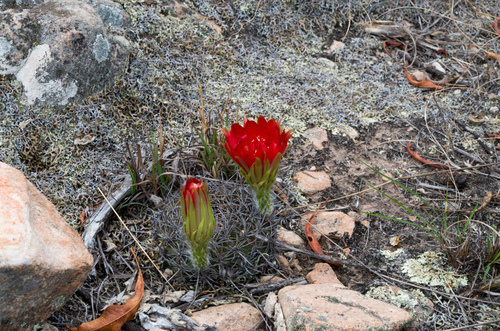
Echinopsis rauschii
speciesEchinopsis rauschii

Echinopsis albispinosa
speciesEchinopsis albispinosa

Echinopsis ayopayana
speciesEchinopsis ayopayana

Echinopsis boyuibensis
speciesEchinopsis boyuibensis
Where it lives
Recorded sightings
—
geo-referenced records in GBIF, from museums, herbaria and field observers.
Drag the globe to turn it. Dots are where records exist, not a range map; darker means more records.
In the stacks
Searching the stacks…
Every page naming Echinopsis in the Biodiversity Heritage Library →
This page is assembled live from iNaturalist, GBIF, Wikipedia, the Source Library and the Internet Archive. It is not yet part of the hand-edited codex. iNaturalist taxon 63213.