- Plants
- ›Vascular Plants
- ›flowering plants
- ›Dicots
- ›Soapberries, Cashews, Mahoganies, and Allies
- ›soapberry family
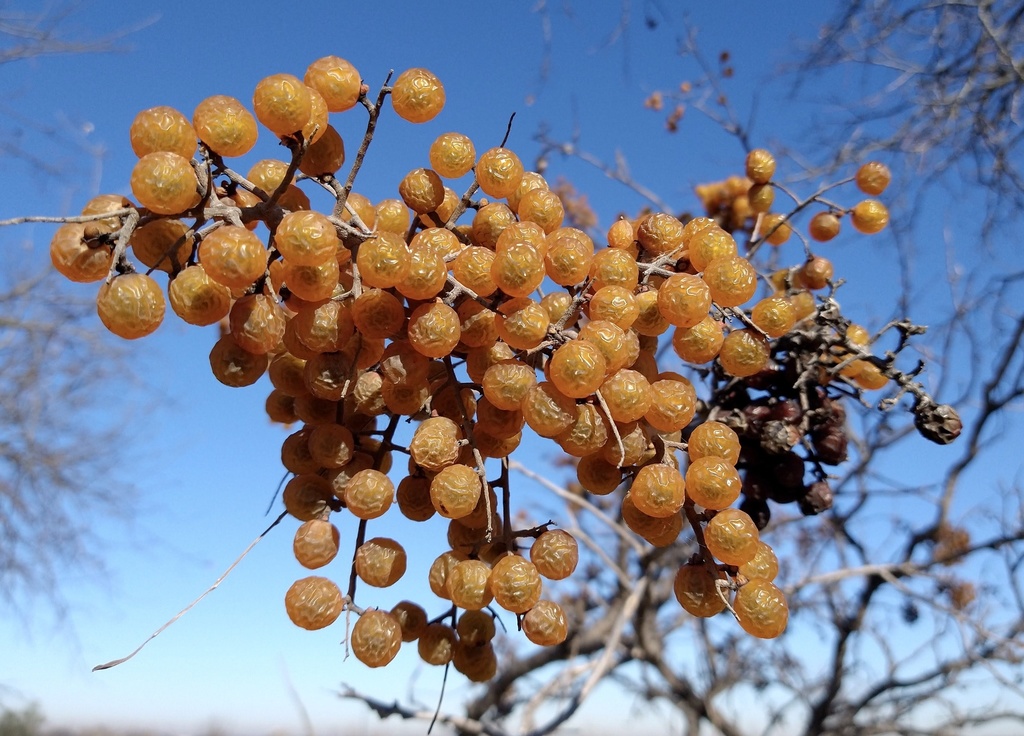
Soapberry
Sapindus
Sapindus is a genus of about thirteen species of shrubs and small trees in the maple and lychee family, Sapindaceae and tribe Sapindeae. It is native to warm temperate to tropical regions of the world. The genus includes both deciduous and evergreen species. Members of the genus are commonly known as soapberries or soapnuts because the pulp of the fruit is used to make soap and shampoo. The generic name is derived from the Latin words sapo, meaning "soap", and indicus, meaning "of India".
The leaves are alternate, 15–40 cm (5.9–15.7 in) long, pinnate (except in S. oahuensis, which has simple leaves), with 14–30 leaflets, the terminal leaflet often absent. The flowers form in large panicles, each flower small, creamy white. The fruit is a small leathery-skinned drupe 1–2 cm (0.4–0.8 in) in diameter, yellow ripening blackish, containing one seed. Fossils date back to the Cretaceous.
20 branches of this genus, most-observed first
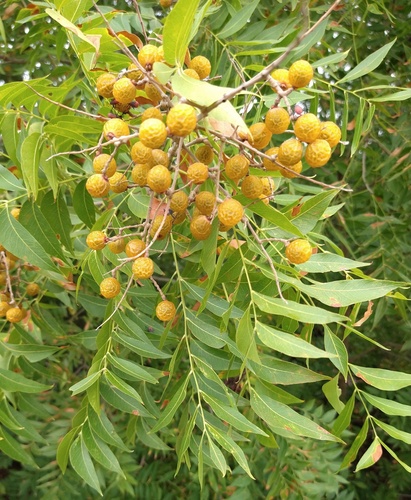
Western Soapberry
speciesSapindus drummondii
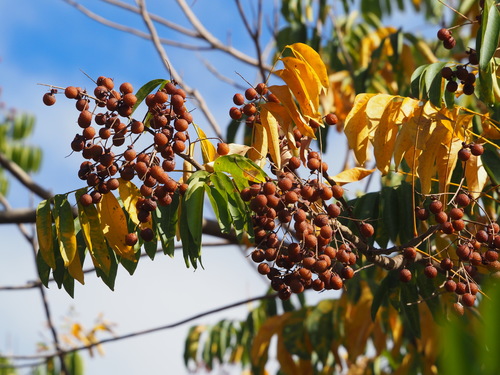
Reetha
speciesSapindus mukorossi
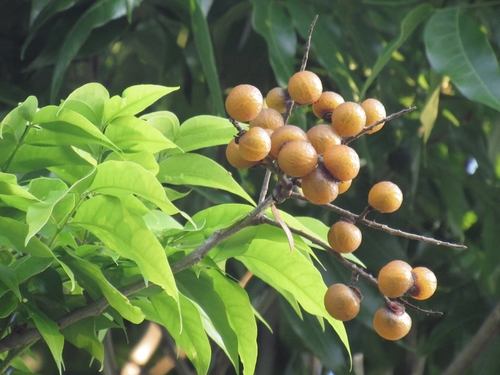
Wingleaf Soapberry
speciesSapindus saponaria

notched leaf soapnut
speciesSapindus emarginatus
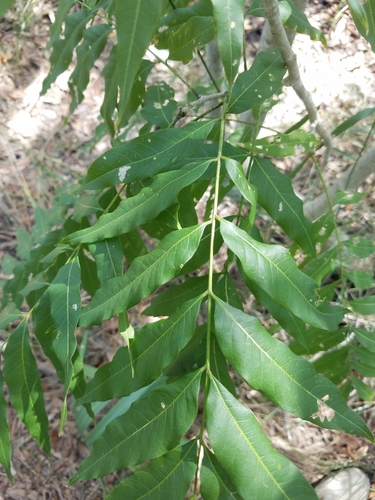
Florida soapberry
speciesSapindus marginatus
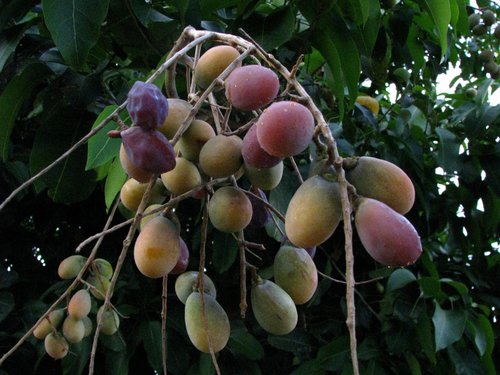
lonomea
speciesSapindus oahuensis

Mānele
speciesSapindus thurstonii

South India soapnut
speciesSapindus trifoliatus
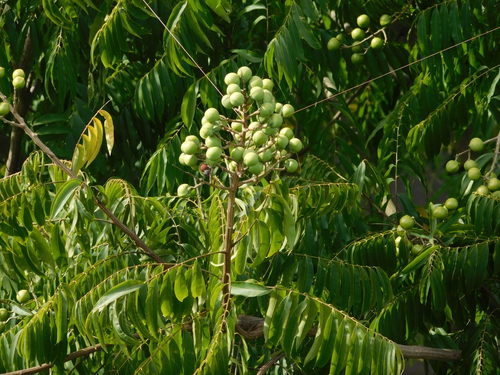
Lerak
speciesSapindus rarak

Sapindus delavayi
speciesSapindus delavayi
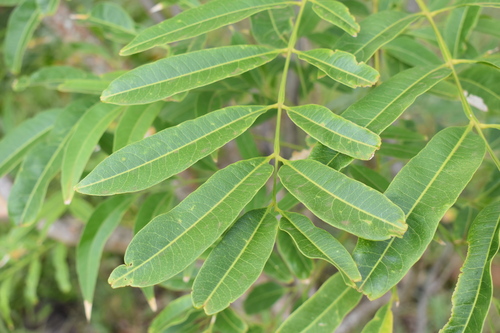
Sapindus marikuru
speciesSapindus marikuru
Sapindus standleyi
speciesSapindus standleyi
Sapindus sonlaensis
speciesSapindus sonlaensis
Sapindus motu-koita
speciesSapindus motu-koita
Sapindus oocarpus
speciesSapindus oocarpus
Sapindus vitiensis
speciesSapindus vitiensis
Sapindus tomentosus
speciesSapindus tomentosus
Sapindus balicus
speciesSapindus balicus
Sapindus tricarpus
speciesSapindus tricarpus
Sapindus chrysotrichus
speciesSapindus chrysotrichus
Where it lives
Recorded sightings
—
geo-referenced records in GBIF, from museums, herbaria and field observers.
Drag the globe to turn it. Dots are where records exist, not a range map; darker means more records.
In the old herbals & bestiaries


In the stacks
Searching the stacks…
Every page naming Sapindus in the Biodiversity Heritage Library →
This page is assembled live from iNaturalist, GBIF, Wikipedia, the Source Library and the Internet Archive. It is not yet part of the hand-edited codex. iNaturalist taxon 62832.