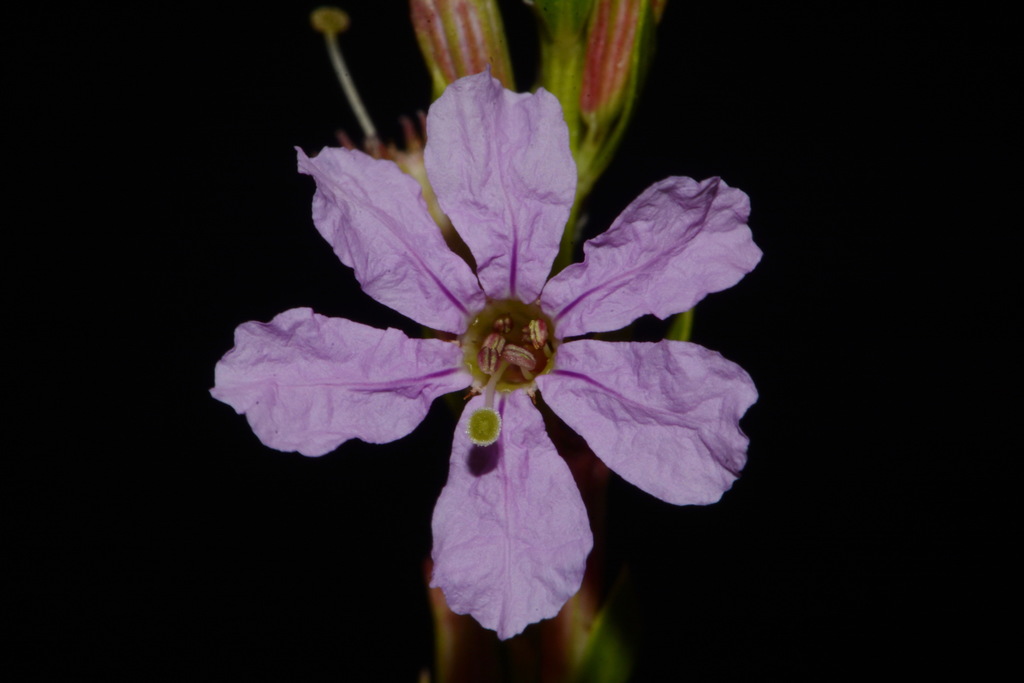
lythrum family
Lythraceae
Lythraceae is a family of flowering plants that includes 28 genera and about 620 species of herbs, shrubs, and trees. The larger genera include Cuphea (275 spp.), Lagerstroemia (56), Nesaea (50), Rotala (45), and Lythrum (35). It also includes the members of the former families of the pomegranate (Punica granatum, formerly in Punicaceae) and of the water caltrop (Trapa natans, formerly in Trapaceae). Lythraceae has a worldwide distribution, with most species in the tropics, but ranging into temperate climate regions as well.
The family is named after the type genus, Lythrum, the loosestrifes (e.g. Lythrum salicaria purple loosestrife) and also includes henna (Lawsonia inermis). It now includes the pomegranate, formerly classed in a separate family Punicaceae. The family also includes the widely cultivated crape myrtle trees. Botanically, the leaves are usually in pairs (opposite), and the flower petals emerge from the rim of the calyx tube. The petals often appear crumpled.
28 branches of this family, most-observed first

Lythrum Loosestrifes
genusLythrum

crape-myrtles
genusLagerstroemia
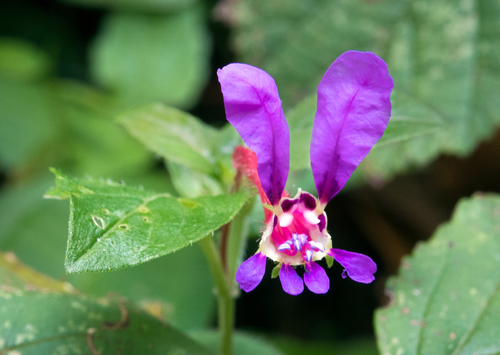
Cigar Plants and Allies
genusCuphea

Punica
genusPunica

swamp loosestrifes
genusDecodon

water chestnuts
genusTrapa
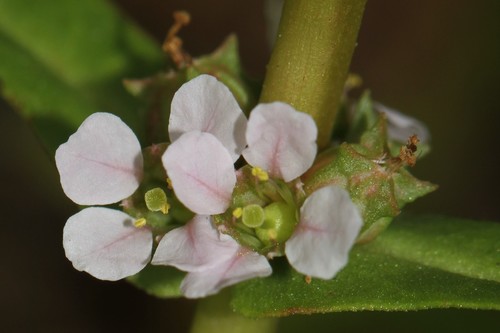
redstems
genusAmmannia

toothcups
genusRotala

Sonneratia
genusSonneratia

Heimia
genusHeimia

Lawsonia
genusLawsonia
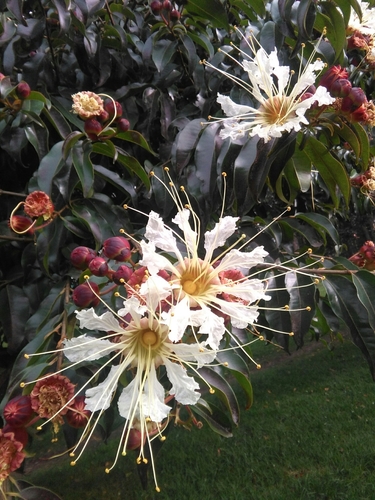
Lafoensia
genusLafoensia
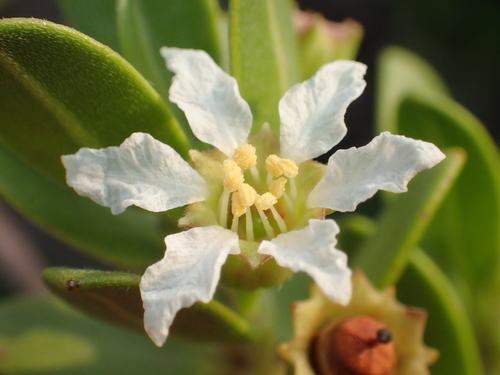
Pemphis
genusPemphis

Diplusodon
genusDiplusodon
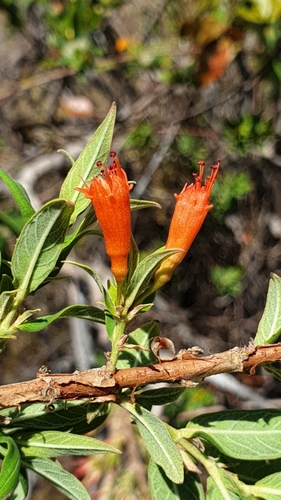
Woodfordia
genusWoodfordia
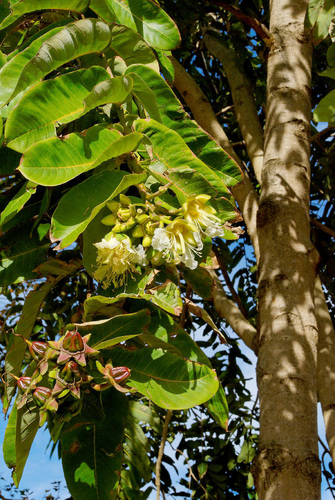
Duabanga
genusDuabanga
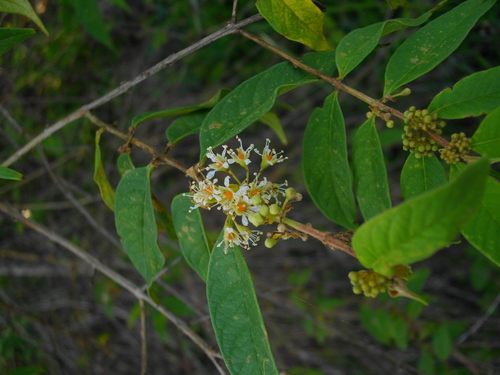
Adenaria
genusAdenaria
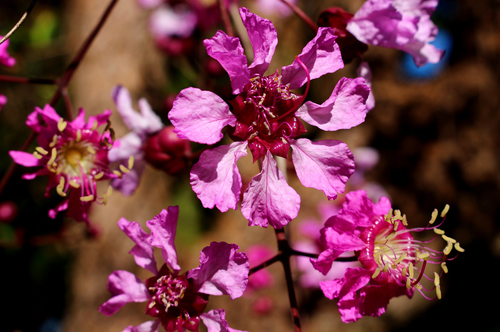
Physocalymma
genusPhysocalymma

Galpinia
genusGalpinia

Pleurophora
genusPleurophora

Koehneria
genusKoehneria

water-purslanes
genusDidiplis

Pehria
genusPehria

Ginoria
genusGinoria

Capuronia
genusCapuronia
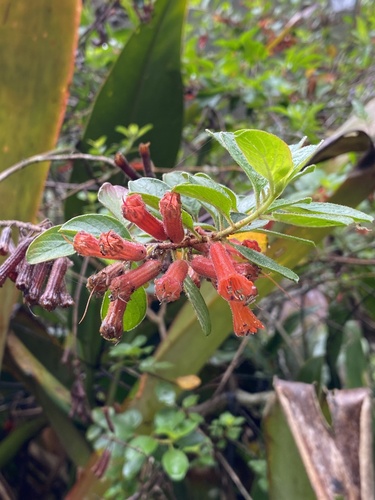
Gyrosphragma
genusGyrosphragma
Tetrataxis
genusTetrataxis
Lourtella
genusLourtella
Where it lives
Recorded sightings
—
geo-referenced records in GBIF, from museums, herbaria and field observers.
Drag the globe to turn it. Dots are where records exist, not a range map; darker means more records.
In the stacks
Searching the stacks…
Every page naming Lythraceae in the Biodiversity Heritage Library →
This page is assembled live from iNaturalist, GBIF, Wikipedia, the Source Library and the Internet Archive. It is not yet part of the hand-edited codex. iNaturalist taxon 58935.