Gynocardia
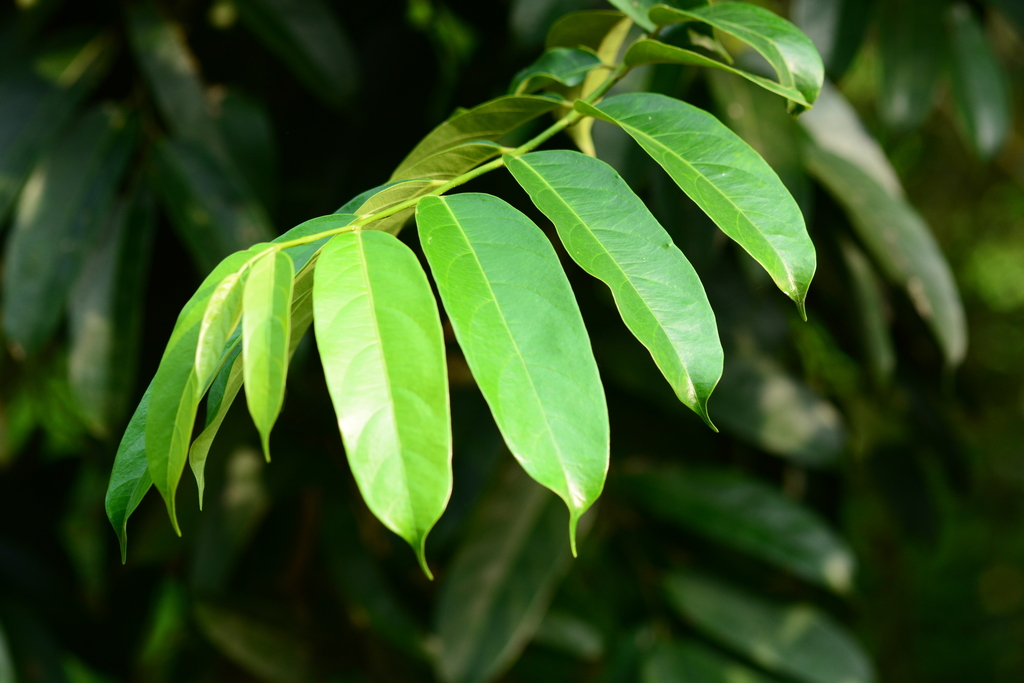
Gynocardia is a genus of dioecious evergreen tree belonging to the Achariaceae family, containing the sole species Gynocardia odorata. The trees grow up to 30 m tall. The species is found in moist forests of mountain valleys in South Asia - India, South-east Tibet and Yunnan in China, Bangladesh, Nepal, Bhutan and Myanmar.
The seeds of this plant have been confused with Hydnocarpus wightianus as the chaulmoogra oil, which is used in Indian medicine to treat several skin conditions and diseases. During British rule, several British doctors studied the use of this oil in the treatment of leprosy, lupus, scrofula, and many skin diseases. The oil was prescribed for leprosy as a mixture suspended in gum or as an emulsion. However, it has later been clarified that the actual chaulmoogra referred to in Sanskrit texts for the treatment of leprosy, as Tuvaraka is actually Hydnocarpus wightianus.
1 branches of this genus, most-observed first
See this branch on the Wheel of Life →
Where it lives
Recorded sightings
—
geo-referenced records in GBIF, from museums, herbaria and field observers.
Drag the globe to turn it. Dots are where records exist, not a range map; darker means more records.
In the stacks
Searching the stacks…
Every page naming Gynocardia in the Biodiversity Heritage Library →
This page is assembled live from iNaturalist, GBIF, Wikipedia, the Source Library and the Internet Archive. It is not yet part of the hand-edited codex. iNaturalist taxon 575227.