 NL·0161
Herbarium of the Nature Library
- Name
- Datura stramonium
- Family
- Solanaceae
- Native to
- Probably North and Central America; now a cosmopolitan weed
- Habitat
- Disturbed ground, Farmland, Waste places
Jimsonweed (Thorn apple)
Datura stramonium
Also calledDhatura (Hindi/Sanskrit) · Toloache (Nahuatl/Mexican Spanish) · Mān tuóluó 曼陀罗 (Chinese) · Stramoine (French) · Devil's trumpet (English)
A rank, weedy nightshade with large white trumpet flowers and spiny seed pods, packed with tropane alkaloids that cause terrifying delirium. It takes its English name from Jamestown, where soldiers who ate it in 1676 reportedly behaved like fools for eleven days.
Datura stramonium, known by the common names thornapple, jimsonweed or stink blade, is a poisonous flowering plant in the Daturae tribe of the nightshade family Solanaceae. Its likely origin was in Central America, and it has been introduced in many world regions. It is an aggressive invasive weed in temperate climates and tropical climates across the world. D. stramonium has frequently been employed in traditional medicine to treat a variety of ailments. It has also been used as a hallucinogen, taken entheogenically to cause intense, sacred or occult visions. It is unlikely to become a major drug of abuse owing to effects upon both mind and body frequently perceived as being highly unpleasant, giving rise to a state of profound and long-lasting disorientation or delirium with a potentially fatal outcome. It contains tropane alkaloids which are responsible for the psychoactive effects, and may be severely toxic. Wikipedia
What it can do
- iMakes scopolamine, hyoscyamine and atropine, which block acetylcholine receptors
- iiOpens fragrant flowers at dusk for hawkmoth pollinators
- iiiProduces seed that stays alive in soil for decades
- ivThrives in disturbed, fertile ground and contaminates grain and vegetable crops
At the table
All parts are toxic, especially seeds. The anticholinergic syndrome ('blind as a bat, mad as a hatter, red as a beet, hot as a hare, dry as a bone') includes dilated pupils, blurred vision, flushed hot dry skin, fast heart, urinary retention, hallucinations and delirium, seizures and sometimes death. Poisoning has happened through seeds contaminating buckwheat, soy or millet, leaves mistaken for other greens, and deliberate use as a hallucinogen. Physostigmine is used as an antidote under medical care.
In the medicine cabinet
| Tradition | Use |
|---|---|
| Ayurveda | Purified dhatura used for asthma, pain and skin disease |
| 19th–20th-century European and American medicine | Leaves smoked in 'asthma cigarettes' for bronchospasm |
Weight of evidence
Traditional. Long historical use; little or no modern clinical evidence.
Active compounds
scopolamine (hyoscine), hyoscyamine, atropine
Fruit & seed


Fruit
Spiny capsule
Ripens: Late summer–autumn
Walnut-sized green capsules covered in spines that split into four to release many seeds.


Seed
~3 mm
Kidney-shaped dark seeds
- Dispersal
- Falls from the capsule; carried in contaminated grain
- Germination
- Not recommended for cultivation
Photographs from Wikimedia Commons under open licences; hover for the photographer, click for the file.
Where it lives
Recorded sightings
—
geo-referenced records in GBIF, from museums, herbaria and field observers.
Native range
Probably North and Central America; now a cosmopolitan weed
Drag the globe to turn it. Dots are where records exist, not a range map; darker means more records.
In Gerard's Herball, 1597

Second Booke · Chap. 57 · p. 276 · read the page →
Of Thorne apples.
John Gerard, The Herball, or Generall Historie of Plantes, London, 1597. What England's best-known herbal said of jimsonweed (thorn apple), in its own spelling.
- The vertues
- The iuice of Thorne apples boiled with hogges grease to the forme of an vnguent or salue, cureth all inflammations whatsoeuer, all maner of burnings or scaldings, as wel of fire, water, boiling lead, gunpowder, as that which comes by lightning, and that in very short time, as my selfe haue found by my daily practise to my great credite and profite. The first experience came from Colchester, where mistresse L'Obel, a marchants wife there, being most greeuously burned with lightning, and not finding ease or cure in any other thing, by this founde helpe when all hope was past, by the report of master William Ramme, publike notarie of the saide towne was perfectly cured. The leaues stamped small and boiled with oile oliue vntill the herbes be as it were burnt, then strained and set to the fire againe with some waxe, rosin, and a little turpentine, & made into a salue, doth most speedily cure olde vlcers, newe and fresh wounds, vlcers vpon the glandulous part of the yarde, and other sores of hard curation.
- The place
- This plant is rare and strange as yet in Englande, I haue receiued seedes thereof from Iohn Robin of Paris, an excellent Herbarist; which did growe and beare flowers, but perished before the fruite came to ripenesse. The Thorne apple last described was brought in seede from Constantinople, by the right honorable the Lorde Edwarde Zouch and giuen vnto me, and beareth fruite and ripe seede.
- The time
- The first is to be sowen in a bed of horsedung, as we do Cucumbers and Muske Melons. The other may be sowen in March or Aprill as other seedes are.
- The temperature
- The whole plant is colde in the fourth degree, and of a drowsie and numming qualitie, not inferiour to Mandrake.
- The names
- The first of these Thorne apples may be called in Latine Stramonia, & Pomum or Malum spinosum: of some Corona regia & Melospinus: the Grecians of our time name it παλαίοκυλον, or rather βαρυοκύκυλον, as though they should saie a nut stuffing and causing drowfinesse and troublesome sleepe: the Italians Paracoculi: it seemeth to Valerius Cordus to be Hyoscyamus Peruvianus, or Henbane of Peru: Cardanus doubteth whether it should be inserted among the Nightshades as a kind thereof: of Serapio & othe…
Gerard wrote within Galenic humoral medicine, and his opinions, including about the peoples of the Americas and their crops, are those of 1590s London. His “vertues” are history, not advice. Transcription: Source Library (CC BY-SA 4.0). The whole chapter in the Herball Room.
In the old herbals & bestiaries
Woodcuts and engravings matched from the Source Library’s scanned books by name. Plates marked “relative” show a close kin rather than this exact species. Click a plate to read the page it came from, with translation.

Book of Herbs
Hieronymus Bock (Tragus) · 1546 · p.709

Notable Commentaries on the History of Plants
Leonhart Fuchs · 1549 · p.722

On the Names of Plants
Hieronymus Bock (Tragus) · 1552 · p.968

Six Groups of the History of Plants
Rembert Dodoens · 1583 · p.478

The Dutch Herbarium or Herbal
Petrus Nylandt · 1670 · p.186

The Anatomy of Plants (Vol. 1)
Nehemiah Grew · n.d. · p.554

Thesaurus of Medical Things of New Spain, or History of Mexican Plants, Animals, and Minerals
Francisco Hernández; Nardo Antonio Recchi (ed.) · 1651 · p.306
In the stacks
Searching the stacks…
Every page naming Datura stramonium in the Biodiversity Heritage Library →
Marginalia
Robert Beverley's History and Present State of Virginia (1705) describes soldiers at Jamestown who ate the plant in salad and spent days in a foolish delirium. In Hindu tradition dhatura flowers and fruits are offered to Shiva.
Curiosity
Seeds of Datura can lie in the soil for over 30 years, waiting for the ground to be disturbed.
Kinship
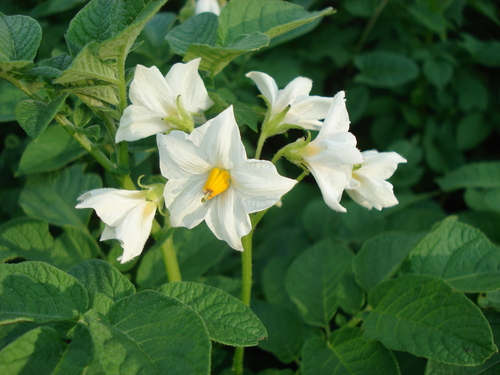
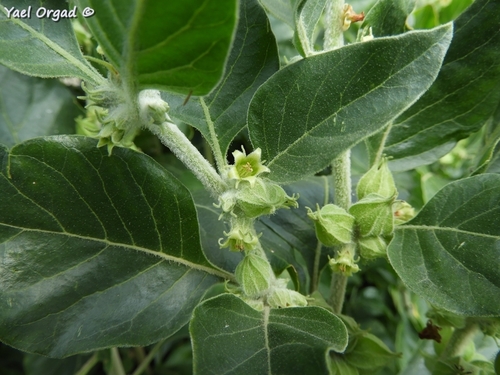
Photographs: iNaturalist contributors under the licences shown. Records: GBIF.org. Historical plates: Source Library (CC BY-SA 4.0; originals public domain). Summary text: Nature Library editors and Wikipedia (CC BY-SA). Medicinal and edibility notes are historical and educational, not advice. iNaturalist taxon 55854.