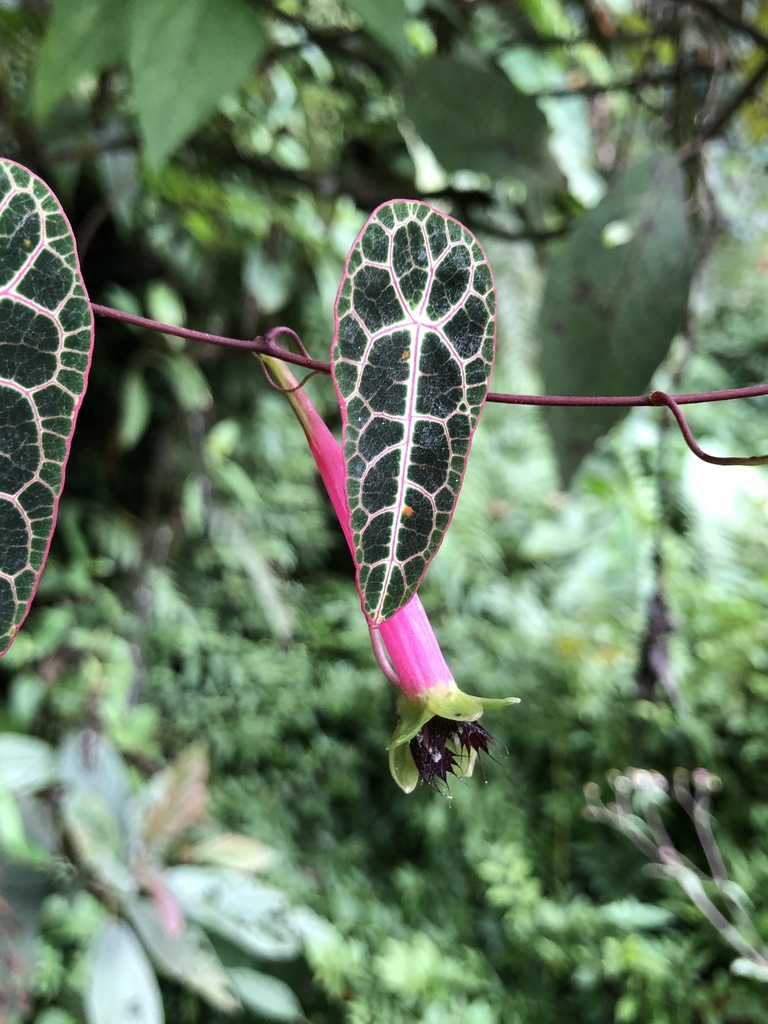
Nasturtiums
Tropaeolum
Tropaeolum , commonly known as nasturtium (; literally "nose-twister" or "nose-tweaker"), is a genus of roughly 80 species of annual and perennial herbaceous flowering plants. It was named by Carl Linnaeus in his book Species Plantarum and is the only genus in the family Tropaeolaceae. The nasturtiums received their common name because they produce an oil similar to that of watercress (Nasturtium officinale).
The genus Tropaeolum, native to South and Central America, includes several very popular garden plants, the most common being T. majus, T. peregrinum and T. speciosum. One of the hardiest species is T. polyphyllum from Chile, the perennial roots of which can survive the winter underground at elevations of 3,300 metres (11,000 ft).
2 branches of this genus, most-observed first
See this branch on the Wheel of Life →
Where it lives
Recorded sightings
—
geo-referenced records in GBIF, from museums, herbaria and field observers.
Drag the globe to turn it. Dots are where records exist, not a range map; darker means more records.
In the old herbals & bestiaries

In the stacks
Searching the stacks…
Every page naming Tropaeolum in the Biodiversity Heritage Library →
This page is assembled live from iNaturalist, GBIF, Wikipedia, the Source Library and the Internet Archive. It is not yet part of the hand-edited codex. iNaturalist taxon 54331.