 NL·0163
Herbarium of the Nature Library
- Name
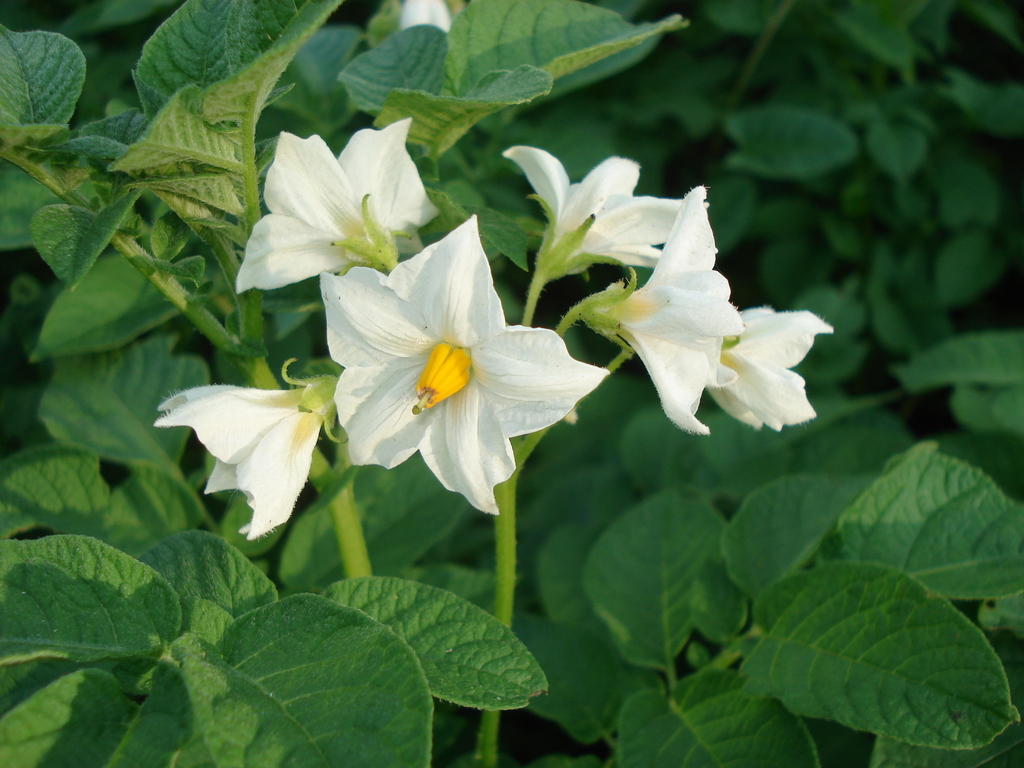
- Solanum tuberosum
- Family
- Solanaceae
- Native to
- Andes of southern Peru and north-west Bolivia; also Chilean lowlands; grown worldwide
- Habitat
- High Andean puna and valleys, Temperate farmland
Potato
Solanum tuberosum
Also calledPapa (Quechua/Spanish) · Aloo (Hindi/Urdu) · Batata (Arabic/Portuguese) · Mǎlíngshǔ / Tǔdòu (Chinese) · Pomme de terre (French) · Kartoffel (German) · Viazi (Swahili)
Domesticated around Lake Titicaca 7,000–10,000 years ago, the potato is the world's leading non-grain staple. Andean farmers still grow thousands of varieties, and freeze-dry them into chuño that keeps for years.
The potato is a starchy tuberous vegetable native to the Americas that is consumed as a staple food in many parts of the world. Potatoes are underground stem tubers of the plant Solanum tuberosum, a perennial in the nightshade family Solanaceae. Wikipedia
What it can do
- iStores energy in underground stem tubers that can each sprout a new plant
- iiOver 4,000 varieties are known in the Andes
- iiiTubers turn green and produce toxic glycoalkaloids when exposed to light
- ivCold storage converts starch to sugar, which is why chilled potatoes taste sweet
At the table
Eatentubers (cooked)
Tubers are eaten cooked. Leaves, stems, berries, sprouts and green-skinned or sprouting tubers contain solanine and chaconine, which cause vomiting and neurological symptoms; cut away all green parts and sprouts.
In the medicine cabinet
| Tradition | Use |
|---|---|
| European folk medicine | Raw grated potato poultices on burns, bruises and swollen eyes |
| Andean medicine | Slices applied to the temples for headache and fever |
Weight of evidence
Traditional. Long historical use; little or no modern clinical evidence.
Active compounds
starch, vitamin C, potassium, α-solanine, α-chaconine
Fruit & seed


Fruit
Berry
Ripens: Summer (not all varieties fruit)
Small, green, tomato-like berry 1–4 cm, poisonous, holding up to 300 seeds.


Seed
1.5–2 mm (true seed)
'True potato seed' is tiny, flat, kidney-shaped, cream to pale-yellow, about 1.5–2 mm; growers instead plant 'seed potatoes' — small whole tubers or chunks with eyes
- Dispersal
- Tubers spread vegetatively; berries by animals
- Germination
- True seed: sow on the surface at 15–20 °C; 1–2 weeks. Seed potatoes: chit (pre-sprout) in light for 4–6 weeks
Photographs from Wikimedia Commons under open licences; hover for the photographer, click for the file.
How to grow it
Hardiness (USDA zones)
Annual cool-season crop; grown in USDA 3–10 by adjusting planting time. Survives winters down to about -40 °C.
- Light
- Full sun
- Water
- Moderate–high, steady, especially while tubers form
- Soil
- Loose, deep, slightly acidic (pH 5–6.5), well-drained; acidity reduces scab
- Propagation
- Certified seed potatoes (tubers)
- To harvest
- Early 'new' potatoes 60–90 days; main crop 100–140 days
- Climates
- Temperate, Tropical highland, Subtropical (winter crop)
- 1Set certified seed potatoes in egg cartons in a bright, cool room 4–6 weeks before planting to grow short, sturdy sprouts.
- 2Plant 10–15 cm deep, 30 cm apart in rows 60–75 cm apart, once soil reaches about 7 °C and frost risk is passing.
- 3'Earth up' by drawing soil over stems as they grow, leaving only the top leaves showing — this keeps tubers covered and prevents greening.
- 4Water regularly once flowers appear; watch for late blight (brown leaf patches in warm, wet weather) and remove infected foliage.
- 5Dig new potatoes when plants flower; for storage, cut down foliage when it yellows, wait two weeks, then lift and cure tubers in the dark.
Can it grow where you are?
Where it lives
Recorded sightings
—
geo-referenced records in GBIF, from museums, herbaria and field observers.
Native range
Andes of southern Peru and north-west Bolivia; also Chilean lowlands; grown worldwide
Drag the globe to turn it. Dots are where records exist, not a range map; darker means more records.
In the old herbals & bestiaries
Woodcuts and engravings matched from the Source Library’s scanned books by name. Plates marked “relative” show a close kin rather than this exact species. Click a plate to read the page it came from, with translation.

Metamorphosis Insectorum Surinamensium
Maria Sibylla Merian · 1705 · p.132

History of Rare Plants
Carolus Clusius · 1601 · p.455

Hortus Eystettensis
Basilius Besler · 1640 · p.367

History of Rare Plants
Carolus Clusius · 1601 · p.454

Rariorum Plantarum Historia (with Fungorum Historia)
Carolus Clusius · 1601 · p.460

Rariorum Plantarum Historia (with Fungorum Historia)
Carolus Clusius · 1601 · p.461

Treasury of Medical Matters of New Spain
Francisco Hernández · 1651 · p.346

De Indiae utriusque re naturali et medica
Willem Piso · 1658 · p.284

Illustrated Compendium of Materia Medica (Vol. 6)
吳其濬 · 1848 · p.5

Illustrated Compendium of Materia Medica (Vol. 6)
吳其濬 · 1848 · p.63
In the stacks
Searching the stacks…
Every page naming Solanum tuberosum in the Biodiversity Heritage Library →
Marginalia
Spanish conquistadors brought tubers to Europe around 1570. Ireland's dependence on a few varieties led to the Great Famine of 1845–52, when late blight killed about a million people.
Curiosity
In 1995 the potato became the first vegetable grown in space, aboard the shuttle Columbia.
Kinship
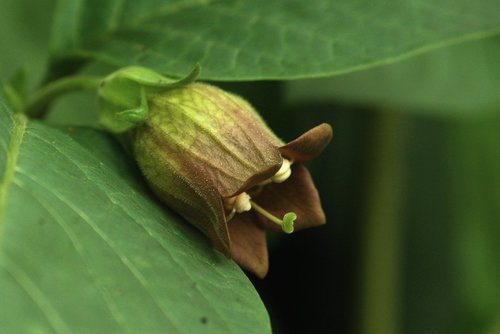
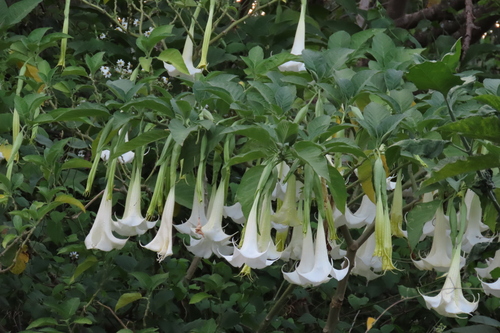
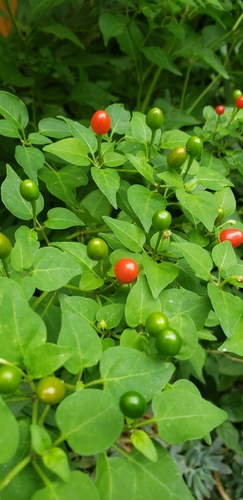

Fact-checked: 1 correction made to this sheet. Photographs: iNaturalist contributors under the licences shown. Records: GBIF.org. Historical plates: Source Library (CC BY-SA 4.0; originals public domain). Summary text: Nature Library editors and Wikipedia (CC BY-SA). Medicinal and edibility notes are historical and educational, not advice. iNaturalist taxon 53858.