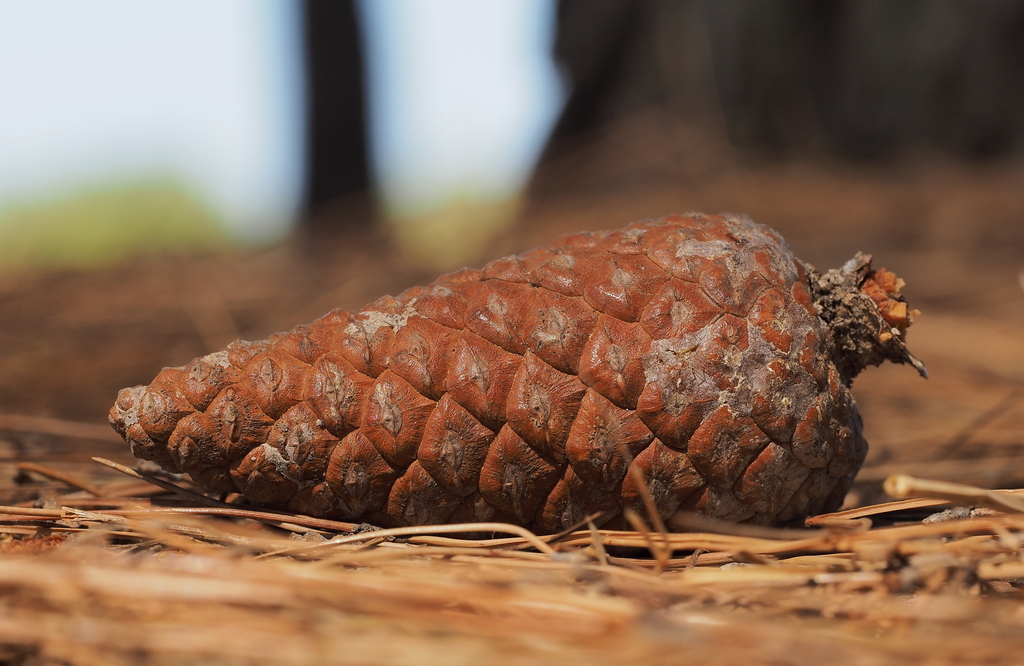
pine family
Pinaceae
The Pinaceae, or pine family, is a large family of conifers, including many of the well-known conifers of commercial importance such as cedars, firs, hemlocks, larches, pines, and spruces. The family is included in the order Pinales, formerly known as Coniferales. Pinaceae have distinctive cones with woody scales bearing typically two ovules, and are supported as monophyletic by both morphological trait and genetic analysis. They are the largest extant conifer family in species diversity, with between 220 and 250 species (depending on taxonomic opinion) in 11 genera, and the second-largest (after Cupressaceae) in geographical range, found in most of the Northern Hemisphere, with the majority of the species in temperate climates, but ranging from subarctic to tropical. The family often forms the dominant component of boreal, coastal, and montane forests. One species, Pinus merkusii, grows just south of the equator in Southeast Asia. Major centres of diversity are found in the mountains of southwest China, Mexico, central Japan, and California.
2 branches of this family, most-observed first

pines, spruces, larches, and allies
subfamilyPinoideae
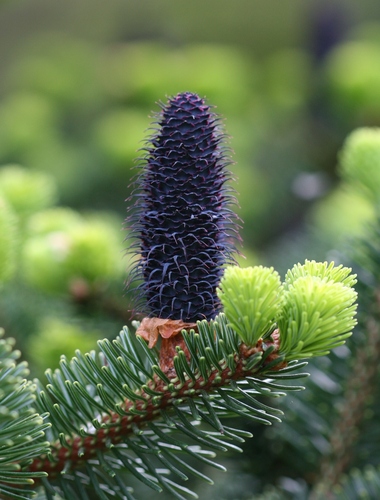
firs, hemlocks, cedars, and allies
subfamilyAbietoideae
Where it lives
Recorded sightings
—
geo-referenced records in GBIF, from museums, herbaria and field observers.
Drag the globe to turn it. Dots are where records exist, not a range map; darker means more records.
In the stacks
Searching the stacks…
Every page naming Pinaceae in the Biodiversity Heritage Library →
This page is assembled live from iNaturalist, GBIF, Wikipedia, the Source Library and the Internet Archive. It is not yet part of the hand-edited codex. iNaturalist taxon 47562.