- Plants
- ›Vascular Plants
- ›flowering plants
- ›Dicots
- ›carrots, ivies, and allies
- ›carrot family
- ›Saniculoideae
- ›Saniculeae
- ›Astrantia
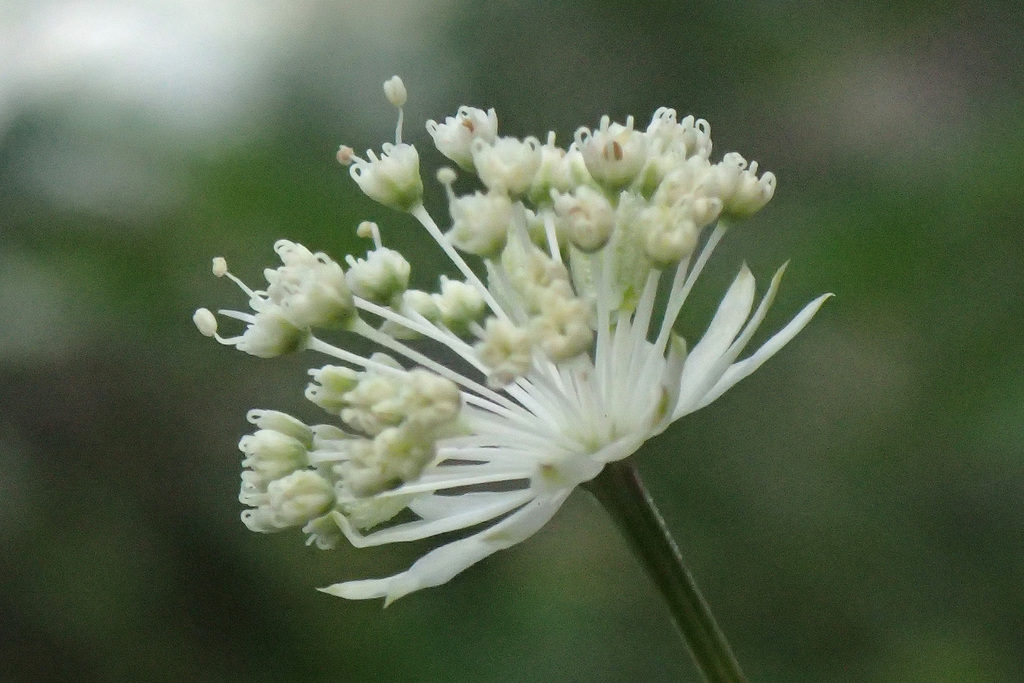
Carnic masterwort
Astrantia carniolica
Astrantia carniolica, the carniolan masterwort or red masterwort, is a species of flowering plant in the family Apiaceae. It has long reddish (or white) flowers.
From the article Astrantia carniolica on Wikipedia (CC BY-SA), quoted section by section
Description
Astrantia carniolica reaches on average less than 45 centimetres (18 in) of height. The stem is erect and glabrous, with little branches and few leaves. The basal leaves have a long petiole 10–20 centimetres (3.9–7.9 in), 3 to 7 lobes and toothed segments. Size: 8–15 centimetres (3.1–5.9 in). The cauline leaves are generally two, sessile, amplexicaul and lanceolate-shaped with a trilobed apex. The inflorescence is umbrella-shaped, with 2–3 centimetres (0.79–1.18 in) of diameter. The floral bracts are numerous (10 - 20), 10–18 millimetres (0.39–0.71 in) long, reddish (sometimes white) with acuminate apex. The small flowers are white. The central ones are hermaphrodite, while the external ones are male. The petals are white, while the stamens are five and much longer. Size of the flowers: about 1–2 mm. The flowering period extends from June through September.
Range & habitat
It has been found in Austria, Bosnia and Herzegovina, Croatia, Italy and Slovenia. In Slovenia, it has been found in the Julian Alps and near Bohinj lake.
Wikipedia: “Range”
What it does
Astrantia carniolica is an entomophilous plant, mainly pollinated by beetles, but also by other insects. This perennial plant reproduces itself also by means of buds present at the ground level.
Wikipedia: “Reproduction”
How it is grown
Astrantia carniolica also has one other cultivar recognised by the RHS. Astrantia carniolica 'rubra', which grows well in the garden, given some shade and moisture. Its flowerhead provides summer colour in shades of red. It is rated for hardiness, USDA zones 5 to 9.
Wikipedia: “Cultivation”
Where it lives
Recorded sightings
—
geo-referenced records in GBIF, from museums, herbaria and field observers.
Drag the globe to turn it. Dots are where records exist, not a range map; darker means more records.
In the stacks
Searching the stacks…
Every page naming Astrantia carniolica in the Biodiversity Heritage Library →
This page is assembled live from iNaturalist, GBIF, Wikipedia, the Source Library and the Internet Archive. It is not yet part of the hand-edited codex. iNaturalist taxon 447969.