- Plants
- ›Vascular Plants
- ›flowering plants
- ›Dicots
- ›Mints, Plantains, Olives, and Allies
- ›bignonia family
- ›Zeyheria
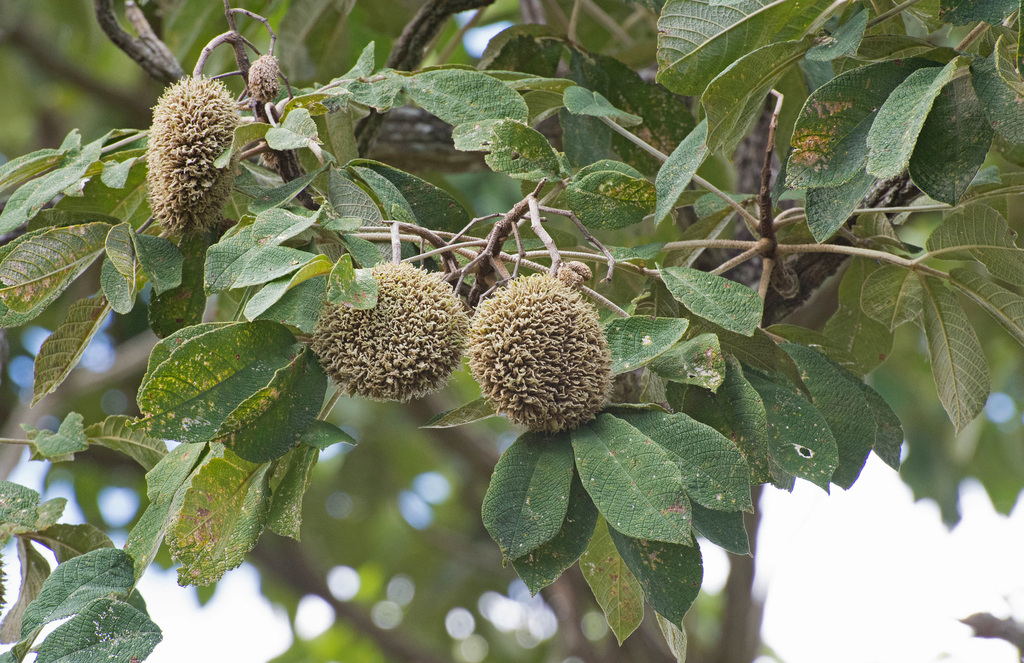
Zeyheria tuberculosa
Zeyheria tuberculosa is a species of tree in the Bignoniaceae family. It is endemic to Brazil, and is threatened by habitat loss.
From the article Zeyheria tuberculosa on Wikipedia (CC BY-SA), quoted section by section
Description
These trees reach a height of 15 to 23 meters, with a trunk diameter of 40–60 cm. The leaves are compound, made of five leaflets, and grow to 40–60 cm in length. The tree blooms between November and January, and its fruit ripens between July and September. The seeds are light-weight and wind-borne.
At the table
It is cited as a timber tree and is also used as an urban tree. The wood is flexible and durable. The tree is also used as an ornamental tree in landscaping. The fast growth and high reproduction rate allows this species to be used for the recovery of degraded areas. This has been shown to improve soil of previously deforested regions, adding nitrogen and potassium in the added organic matter. Extracts from the tree, known as "ipê-preto", are used locally as medicine for cancer and skin-diseases. Laboratory tests have shown antimicrobial properties in these extracts, but due to concerns about toxicity no clinical applications have been utilized.
== References ==
Wikipedia: “Uses”
Where it lives
Recorded sightings
—
geo-referenced records in GBIF, from museums, herbaria and field observers.
Drag the globe to turn it. Dots are where records exist, not a range map; darker means more records.
In the stacks
Searching the stacks…
Every page naming Zeyheria tuberculosa in the Biodiversity Heritage Library →
This page is assembled live from iNaturalist, GBIF, Wikipedia, the Source Library and the Internet Archive. It is not yet part of the hand-edited codex. iNaturalist taxon 444965.