
Proboscideans
Proboscidea
Proboscidea (; from Latin proboscis, from Ancient Greek προβοσκίς (proboskís) 'elephant's trunk') is a taxonomic order of Afrothere paenungulate mammals described by J. Illiger in 1811. It encompasses the elephants (family Elephantidae) and their extinct relatives. Three living species of elephant are currently recognised: the African bush elephant, the African forest elephant, and the Asian elephant.
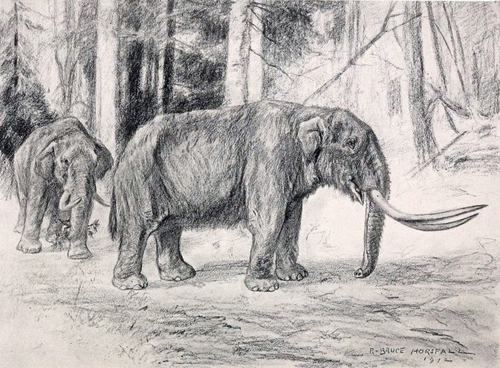
Extinct members of Proboscidea include the deinotheres, mastodons, gomphotheres, amebelodonts and stegodonts. The family Elephantidae also contains several extinct groups, including mammoths and Palaeoloxodon. Proboscideans include some of the largest known land mammals, with the elephant Palaeoloxodon namadicus and mastodon "Mammut" borsoni suggested to have body masses surpassing 16 tonnes (35,000 lb), rivalling or exceeding paraceratheres, the otherwise largest known land mammals in size. The largest living proboscidean is the African bush elephant, with a recorded maximum size of 4 meters (13.1 feet) at the shoulder and a weight of 10.4 tonnes (11.5 short tons). In addition to their enormous size, later proboscideans are distinguished by tusks and long, muscular trunks, which were less developed or absent in early proboscideans.
3 branches of this order, most-observed first · about 3 known species
See this branch on the Wheel of Life →

Where it lives
Recorded sightings
—
geo-referenced records in GBIF, from museums, herbaria and field observers.
Drag the globe to turn it. Dots are where records exist, not a range map; darker means more records.
In the stacks
Searching the stacks…
Every page naming Proboscidea in the Biodiversity Heritage Library →
This page is assembled live from iNaturalist, GBIF, Wikipedia, the Source Library and the Internet Archive. It is not yet part of the hand-edited codex. iNaturalist taxon 43691.