- Animals
- ›Chordates
- ›Vertebrates
- ›Mammals
- ›Therians
- ›Placental Mammals
- ›Ungulates, Carnivorans, and Allies
- ›Even-toed Ungulates and Cetaceans
- ›Ruminants
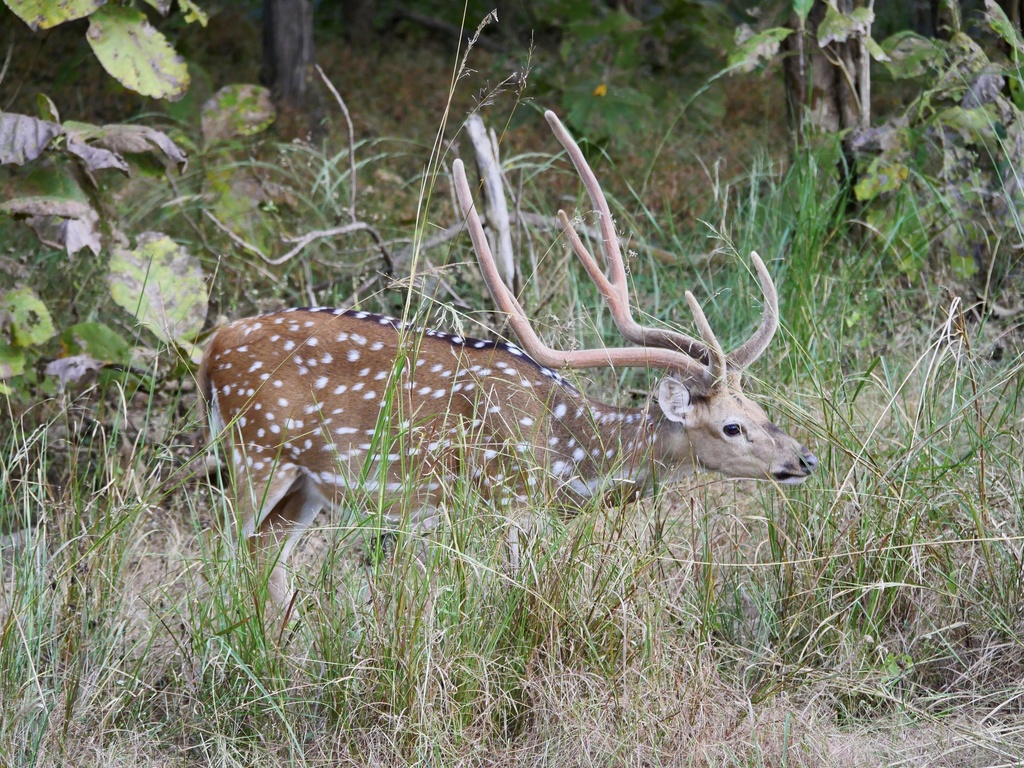
Deer
Cervidae
A deer (pl.: deer) or true deer is a hoofed ruminant ungulate of the family Cervidae (informally the deer family). Cervidae is divided into subfamilies Cervinae (which includes muntjac, elk, red deer, and fallow deer) and Capreolinae (which includes reindeer, white-tailed deer, roe deer, and moose). Male deer of almost all species (except the water deer), as well as female reindeer, grow and shed new antlers each year. These antlers are bony extensions of the skull and are often used for combat between males.
The musk deer (Moschidae) of Asia and chevrotains (Tragulidae) of tropical African and Asian forests are separate families that are also in the ruminant clade Ruminantia; they are not especially closely related to Cervidae.
2 branches of this family, most-observed first · about 58 known species
See this branch on the Wheel of Life →

Where it lives
Recorded sightings
—
geo-referenced records in GBIF, from museums, herbaria and field observers.
Drag the globe to turn it. Dots are where records exist, not a range map; darker means more records.
In the stacks
Searching the stacks…
Every page naming Cervidae in the Biodiversity Heritage Library →
This page is assembled live from iNaturalist, GBIF, Wikipedia, the Source Library and the Internet Archive. It is not yet part of the hand-edited codex. iNaturalist taxon 42158.