- Animals
- ›Chordates
- ›Vertebrates
- ›Mammals
- ›Therians
- ›Placental Mammals
- ›Ungulates, Carnivorans, and Allies
- ›Bats
- ›Yinpterochiroptera
- ›Rhinolophoid Bats

Horseshoe Bats
Rhinolophidae
Horseshoe bats are bats in the family Rhinolophidae. In addition to the single living genus, Rhinolophus, which has about 106 species, the extinct genus Palaeonycteris has been recognized. Horseshoe bats are closely related to the Old World leaf-nosed bats, family Hipposideridae, which have sometimes been included in Rhinolophidae. The horseshoe bats are divided into six subgenera and many species groups. The most recent common ancestor of all horseshoe bats lived 34–40 million years ago, though it is unclear where the geographic roots of the family are, and attempts to determine its biogeography have been indecisive. Their taxonomy is complex, as genetic evidence shows the likely existence of many cryptic species, as well as species recognized as distinct that may have little genetic divergence from previously recognized taxa. They are found in the Old World, mostly in tropical or subtropical areas, including Africa, Asia, Europe, and Oceania.
Horseshoe bats are considered small or medium-sized microbats, weighing 4–28 g (0.14–0.99 oz), with forearm lengths of 30–75 mm (1.2–3.0 in) and combined lengths of head and body of 35–110 mm (1.4–4.3 in). The fur, long and smooth in most species, can be reddish-brown, blackish, or bright orange-red. They get their common name from their large nose-leafs, which are shaped like horseshoes. The nose-leafs aid in echolocation; horseshoe bats have highly sophisticated echolocation, using constant frequency calls at high-duty cycles to detect prey in areas of high environmental clutters.
1 branches of this family, most-observed first · about 114 known species
See this branch on the Wheel of Life →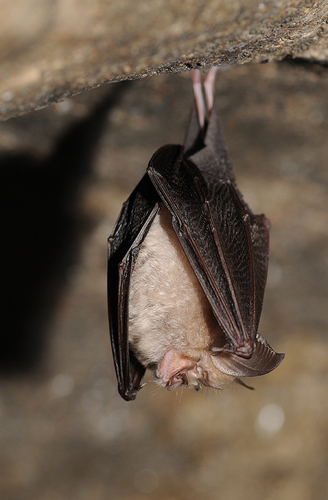
Where it lives
Recorded sightings
—
geo-referenced records in GBIF, from museums, herbaria and field observers.
Drag the globe to turn it. Dots are where records exist, not a range map; darker means more records.
In the stacks
Searching the stacks…
Every page naming Rhinolophidae in the Biodiversity Heritage Library →
This page is assembled live from iNaturalist, GBIF, Wikipedia, the Source Library and the Internet Archive. It is not yet part of the hand-edited codex. iNaturalist taxon 40641.