- Plants
- ›Vascular Plants
- ›Ferns
- ›Leptosporangiate Ferns
- ›Polypod Ferns
- ›eupolypods II
- ›spleenwort family
- ›Asplenium
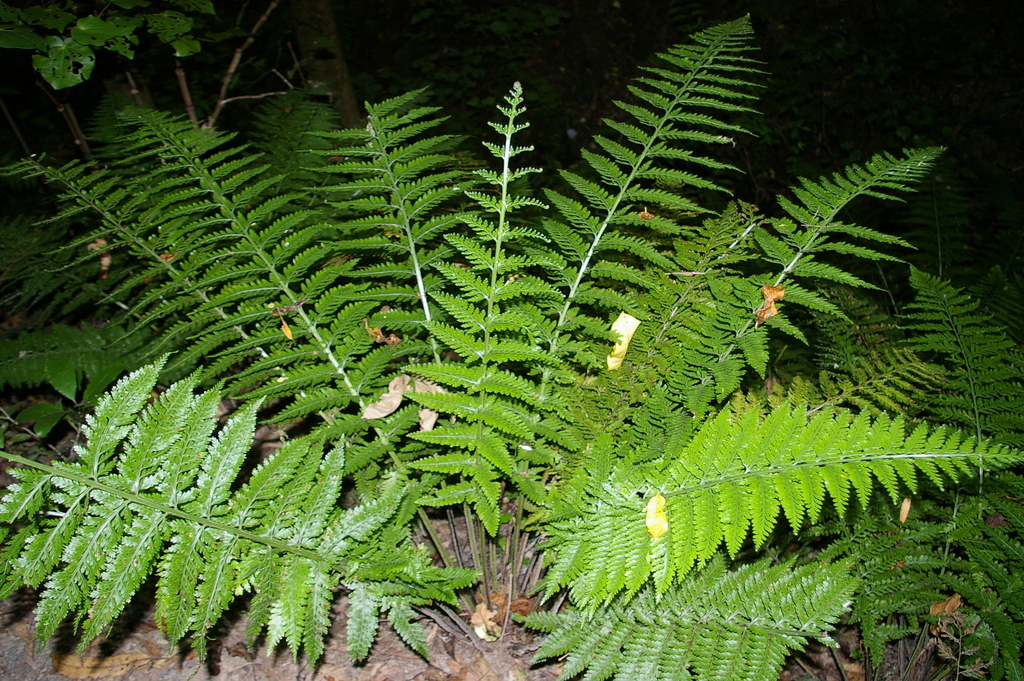
hen and chickens fern
Asplenium gracillimum
Asplenium gracillimum is a fern species native to Australia and New Zealand, also found in Stewart Island and the Chatham Islands. The specific epithet gracillimum refers to the slender and graceful appearance of this fern.
From the article Asplenium gracillimum on Wikipedia (CC BY-SA), quoted section by section
Description
A. gracillimum individuals occasionally grow small bulbils on top of their fronds, which can fall off and grow into new ferns. There are a number of similar Southern Hemisphere species which have a similar mode of reproduction, including A. daucifolium and Polystichum australiense. Fronds range from 10.5 to 108 cm long. A. gracillimum has larger spores than A. bulbiferum, and fewer bulbils. The scales are ovate on A. bulbiferum, but narrower and almost always drawn out into thin threadlike points in A. gracillimum (filiform apices). The selected lectotype was Dannevirke, New Zealand.
Range & habitat
The hen and chicken fern commonly grows in most bush areas in New Zealand. It thrives in many situations from shade to partial sunlight. Often seen in moist or rainforest areas in eastern Australia, occasionally as an epiphyte on tree ferns or tree trunks.
== References ==
Wikipedia: “Distribution and habitat”
Where it lives
Recorded sightings
—
geo-referenced records in GBIF, from museums, herbaria and field observers.
Drag the globe to turn it. Dots are where records exist, not a range map; darker means more records.
In the stacks
Searching the stacks…
Every page naming Asplenium gracillimum in the Biodiversity Heritage Library →
This page is assembled live from iNaturalist, GBIF, Wikipedia, the Source Library and the Internet Archive. It is not yet part of the hand-edited codex. iNaturalist taxon 399757.