- Animals
- ›Chordates
- ›Vertebrates
- ›Mammals
- ›Therians
- ›Placental Mammals
- ›Primates, Rodents, and Allies
- ›Rodents
- ›Squirrels, Dormice, and Mountain Beavers
- ›Squirrels
- ›Typical and Flying Squirrels

Flying Squirrels
Pteromyini
Flying squirrels (scientifically known as Pteromyini or Petauristini) are a tribe of 50 species of squirrels in the family Sciuridae. Despite their name, they are not in fact capable of full flight in the same way as birds or bats, but they are able to glide from one tree to another with the aid of a patagium, a furred skin membrane that stretches from wrist to ankle. Their long tails also provide stability as they glide. Anatomically they are very similar to other squirrels with a number of adaptations to suit their lifestyle; their limb bones are longer and their hand bones, foot bones, and distal vertebrae are shorter. Flying squirrels are able to steer and exert control over their glide path with their limbs and tail. =
Molecular studies have shown that flying squirrels are monophyletic (having a common ancestor with no non-flying descendants) and originated some 18–20 million years ago. The genus Paracitellus is the earliest lineage to the flying squirrel dating back to the late Oligocene era. Most are nocturnal and omnivorous, eating fruit, seeds, buds, flowers, insects, gastropods, spiders, fungi, bird's eggs, tree sap and young birds. The young are born in a nest and are at first naked and helpless. They are cared for by their mother and by five weeks are able to practice gliding skills so that by ten weeks they are ready to leave the nest.
17 branches of this tribe, most-observed first · about 62 known species

New World Flying Squirrels
genusGlaucomys

Giant Flying Squirrels
genusPetaurista

Palearctic Flying Squirrels
genusPteromys

Aeromys
genusAeromys
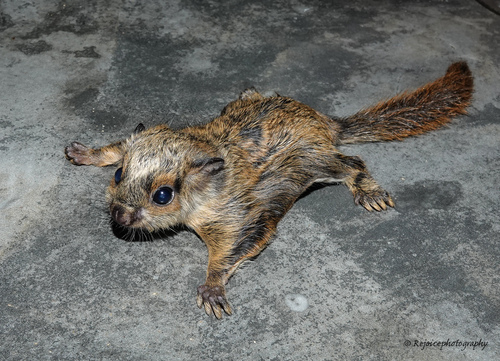
Arrow-tailed Flying Squirrels
genusHylopetes
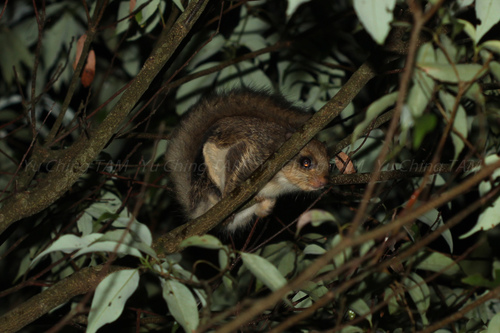
Belomys
genusBelomys

Dwarf Flying Squirrels
genusPetinomys
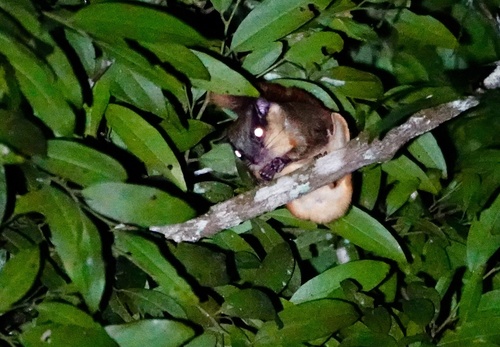
Iomys
genusIomys

Trogopterus
genusTrogopterus

Aeretes
genusAeretes
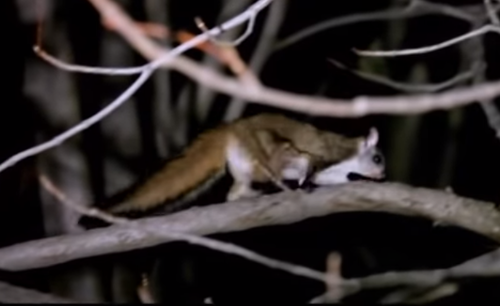
Eoglaucomys
genusEoglaucomys

Pygmy Flying Squirrels
genusPetaurillus
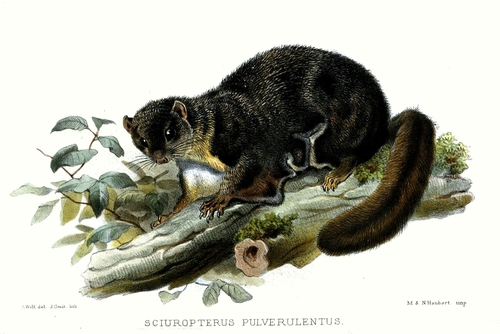
Pteromyscus
genusPteromyscus
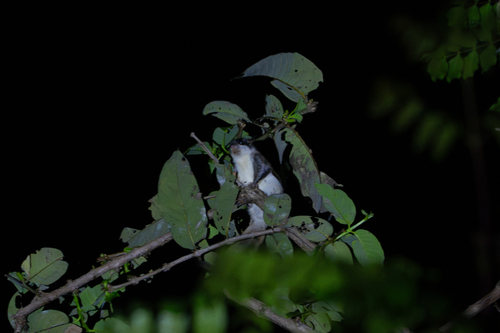
Priapomys
genusPriapomys

Biswamoyopterus
genusBiswamoyopterus
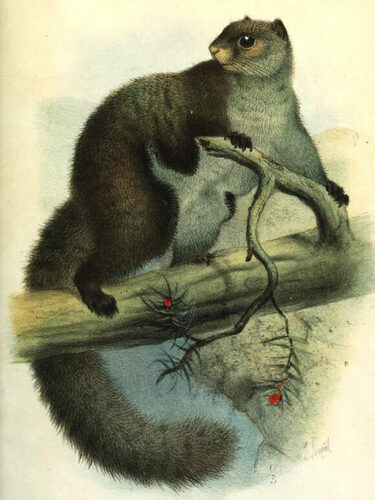
Woolly Flying Squirrels
genusEupetaurus
Olisthomys
genusOlisthomys
Where it lives
Recorded sightings
—
geo-referenced records in GBIF, from museums, herbaria and field observers.
Drag the globe to turn it. Dots are where records exist, not a range map; darker means more records.
In the stacks
Searching the stacks…
Every page naming Pteromyini in the Biodiversity Heritage Library →
This page is assembled live from iNaturalist, GBIF, Wikipedia, the Source Library and the Internet Archive. It is not yet part of the hand-edited codex. iNaturalist taxon 339576.