- Plants
- ›Vascular Plants
- ›flowering plants
- ›monocots
- ›grasses, sedges, cattails, and allies
- ›Sedges
- ›Cyperoideae
- ›Cypereae
- ›Cyperus
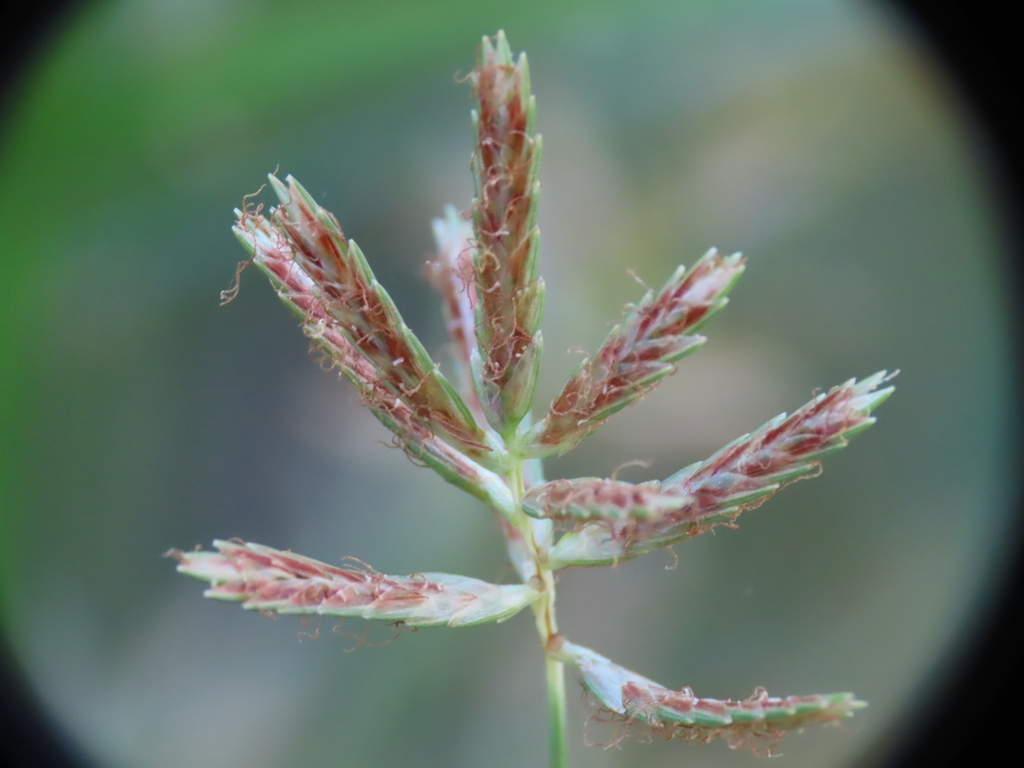
Sweet Galingale
Cyperus longus
Cyperus longus is a species of sedge known by the common name galingale. It is a tall plant, growing up to a metre in height, with creeping rhizomes and erect, triangular stems, each terminating in an inflorescence. The species is native to southern England, south Wales, and western France. It grows in shallow water or on damp ground, such as at pond edges.
From the article Cyperus longus on Wikipedia (CC BY-SA), quoted section by section
Description
It is a tall plant, growing up to one metre (3 ft 3 in) in height, with creeping rhizomes and erect, triangular stems, each terminating in an inflorescence. The species grows in shallow water or on damp ground, such as at pond edges. The holotype was collected in Italy.
Range & habitat
It is a widespread species found across Africa, southern Europe, the Indian subcontinent and western Asia. It incidentally occurs in Wallonia as a native. It is also found in western France, south Wales and southern England, where it may or not originally be native. It has recently (since the 1990s) spread northwards to Flanders and the Netherlands where it occurs in scattered adventive populations. It has also been introduced to Tristan da Cunha and Western Australia.
Wikipedia: “Distribution”
At the table
The thick, long, yellowish rhizomes of these plants are traditionally harvested to distil a sweet-scented oil which is used in the perfume industry. The stalks were formerly traditionally processed into paper. There were also folk medicines made from this plant in Europe, the rhizomes being used for stomach aches and the onset of dropsy. It is used at present as an ornamental plant, used for lining ponds.
Wikipedia: “Uses”
Where it lives
Recorded sightings
—
geo-referenced records in GBIF, from museums, herbaria and field observers.
Drag the globe to turn it. Dots are where records exist, not a range map; darker means more records.
In the old herbals & bestiaries

In the stacks
Searching the stacks…
Every page naming Cyperus longus in the Biodiversity Heritage Library →
This page is assembled live from iNaturalist, GBIF, Wikipedia, the Source Library and the Internet Archive. It is not yet part of the hand-edited codex. iNaturalist taxon 333945.