- Plants
- ›red algae
- ›true red algae
- ›Florideophycean algae
- ›Rhodymeniophycidae
- ›Ceramiales
- ›Rhodomelaceae
- ›Alsidieae

Digenea
Digenea (Gr. Dis – double, Genos – race) is a Class of trematodes in the Platyhelminthes phylum, consisting of parasitic flatworms (known as flukes) with a syncytial tegument and, usually, two suckers, one ventral and one oral. Adults commonly live within the digestive tract, but occur throughout the organ systems of all classes of vertebrates. Once thought to be related to the Monogenea, it is now recognised that they are closest to the Aspidogastrea and that the Monogenea are more closely allied with the Cestoda. Around 6,000 species have been described to date.
3 branches of this genus, most-observed first
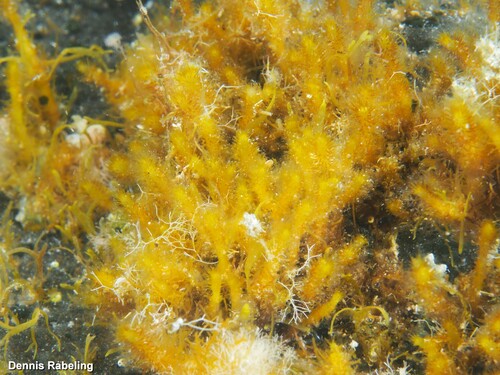
Digenea simplex
speciesDigenea simplex
Digenea cymatophila
speciesDigenea cymatophila
Digenea arenahauriens
speciesDigenea arenahauriens
Where it lives
Recorded sightings
—
geo-referenced records in GBIF, from museums, herbaria and field observers.
Drag the globe to turn it. Dots are where records exist, not a range map; darker means more records.
In the stacks
Searching the stacks…
Every page naming Digenea in the Biodiversity Heritage Library →
This page is assembled live from iNaturalist, GBIF, Wikipedia, the Source Library and the Internet Archive. It is not yet part of the hand-edited codex. iNaturalist taxon 244536.