Goblet Mosses
Physcomitrium
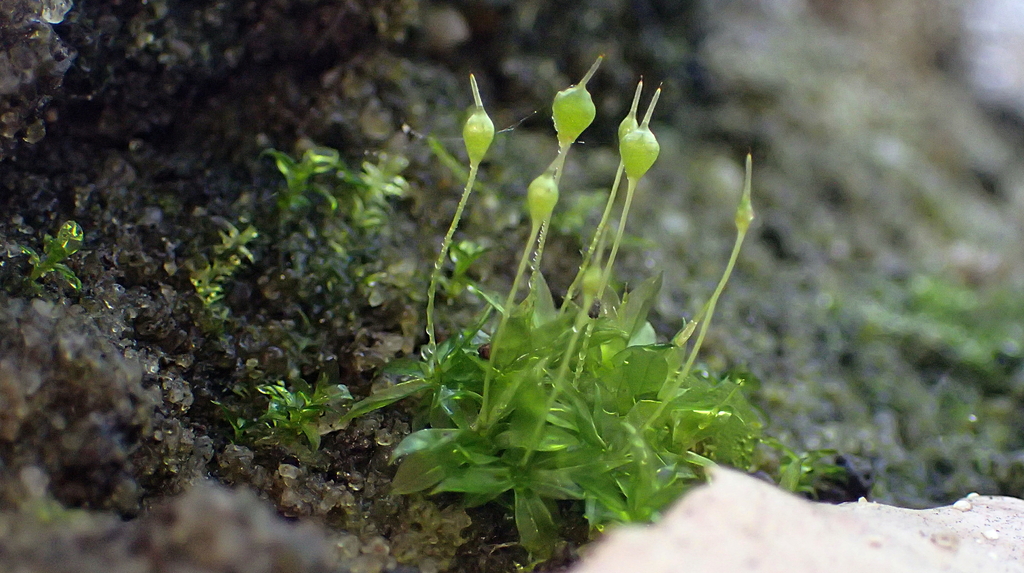
Physcomitrium is a genus of mosses, commonly called urn moss after its urn-like calyptra, that includes about 80 species and has a cosmopolitan distribution. The scientific name comes from the Ancient Greek words physkē, meaning large intestine or sausage, and mitrion, meaning little turban. The common name is derived from its symmetrical, erect and urn-like capsules that lack peristomes, these features characterising the genus. They are commonly found on exposed soils that are often associated with locations that become very wet in the spring, such as along river banks or on alluvial mud. They occur from near sea level to about 2500 metres. The capsules mature over the winter and into the spring.
Many species were once circumscribed within the species Physcomitrium pyriforme, which over time has been broken up into many separate species based on variation of the sporophyte and gametophyte.
27 branches of this genus, most-observed first
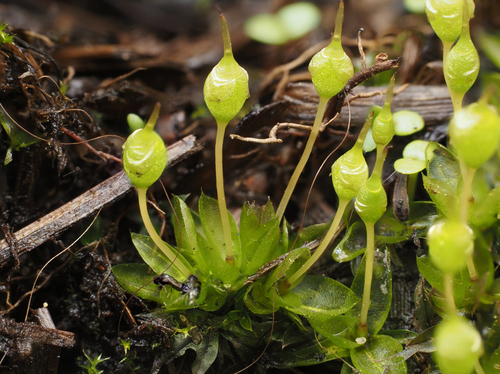
common bladder moss
speciesPhyscomitrium pyriforme

Spreading-leaved Earth Moss
speciesPhyscomitrium patens

Immersed Physcomitrium Moss
speciesPhyscomitrium immersum

Physcomitrium serratum
speciesPhyscomitrium serratum
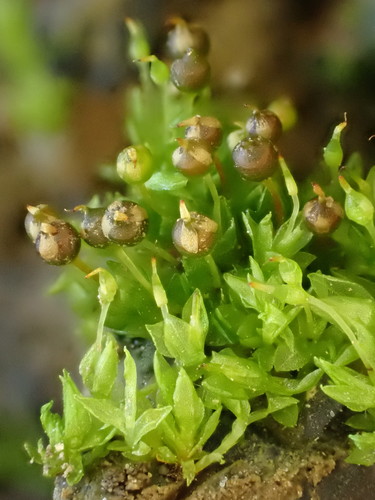
Dwarf Bladder-moss
speciesPhyscomitrium sphaericum
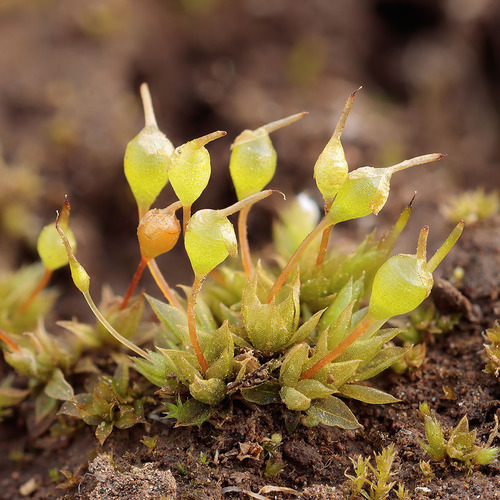
Physcomitrium eurystomum
speciesPhyscomitrium eurystomum
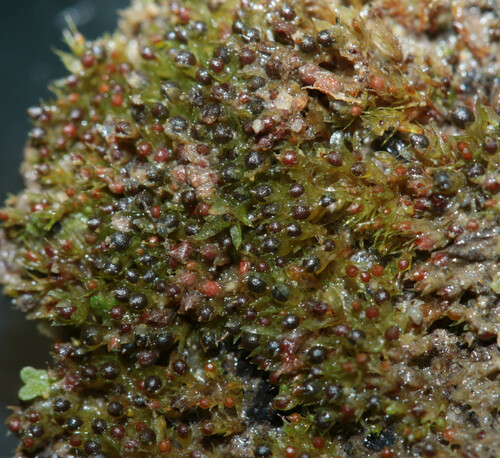
Physcomitrium readeri
speciesPhyscomitrium readeri
Physcomitrium japonicum
speciesPhyscomitrium japonicum
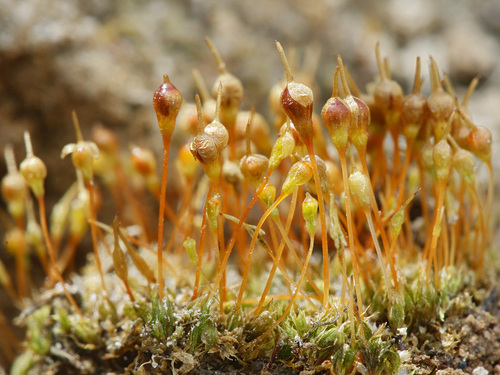
Physcomitrium arenicola
speciesPhyscomitrium arenicola

Physcomitrium courtoisii
speciesPhyscomitrium courtoisii
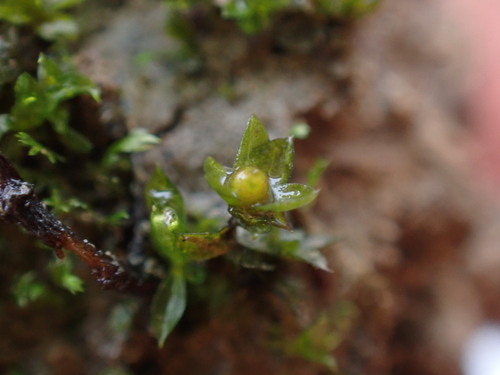
Physcomitrium pusillum
speciesPhyscomitrium pusillum

Physcomitrium pygmaeum
speciesPhyscomitrium pygmaeum
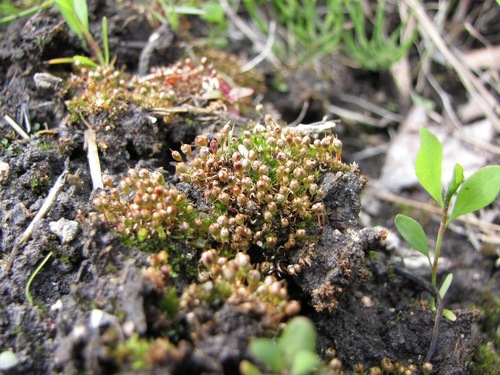
Physcomitrium hookeri
speciesPhyscomitrium hookeri
Physcomitrium argentinicum
speciesPhyscomitrium argentinicum
Physcomitrium acutifolium
speciesPhyscomitrium acutifolium
Physcomitrium aubertii
speciesPhyscomitrium aubertii
Physcomitrium badium
speciesPhyscomitrium badium
Physcomitrium collenchymatum
speciesPhyscomitrium collenchymatum
Physcomitrium washingtoniense
speciesPhyscomitrium washingtoniense
Physcomitrium subsphaericum
speciesPhyscomitrium subsphaericum
Physcomitrium conicum
speciesPhyscomitrium conicum
Physcomitrium laxum
speciesPhyscomitrium laxum
Physcomitrium spathulatum
speciesPhyscomitrium spathulatum
Physcomitrium coorgense
speciesPhyscomitrium coorgense
Physcomitrium herteri
speciesPhyscomitrium herteri
Physcomitrium sinensi-sphaericum
speciesPhyscomitrium sinensi-sphaericum
Physcomitrium acuminatum
speciesPhyscomitrium acuminatum
Where it lives
Recorded sightings
—
geo-referenced records in GBIF, from museums, herbaria and field observers.
Drag the globe to turn it. Dots are where records exist, not a range map; darker means more records.
In the stacks
Searching the stacks…
Every page naming Physcomitrium in the Biodiversity Heritage Library →
This page is assembled live from iNaturalist, GBIF, Wikipedia, the Source Library and the Internet Archive. It is not yet part of the hand-edited codex. iNaturalist taxon 154196.