
Joint-toothed Mosses
Bryopsida
The Bryopsida constitute the largest class of mosses, containing 95% of all moss species. It consists of approximately 11,500 species, common throughout the whole world.
The group is distinguished by having spore capsules with teeth that are arthrodontous; the teeth are separate from each other and jointed at the base where they attach to the opening of the capsule. Consequently, mosses in the Class Bryopsida are commonly known as the "joint-toothed" or "arthrodontous" mosses. These teeth are exposed when the covering operculum falls off. In other groups of mosses, the capsule is either nematodontous with an attached operculum, or else splits open without operculum or teeth.
22 branches of this class, most-observed first

Feather Mosses
orderHypnales

Dicranales
orderDicranales

Bryales
orderBryales

Pottiales
orderPottiales

Orthotrichales
orderOrthotrichales

Grimmiales
orderGrimmiales

Funariales
orderFunariales

Hedwigiales
orderHedwigiales
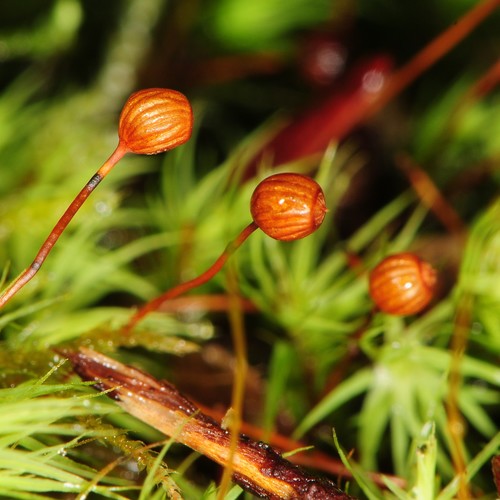
Bartramiales
orderBartramiales

Aulacomniales
orderAulacomniales
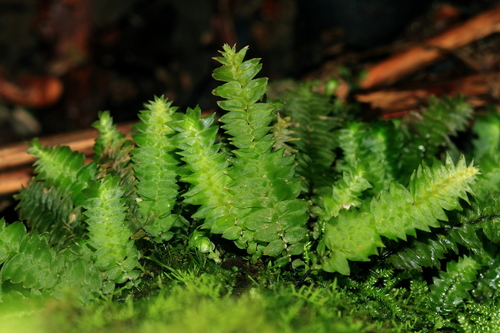
Hypopterygiales
orderHypopterygiales
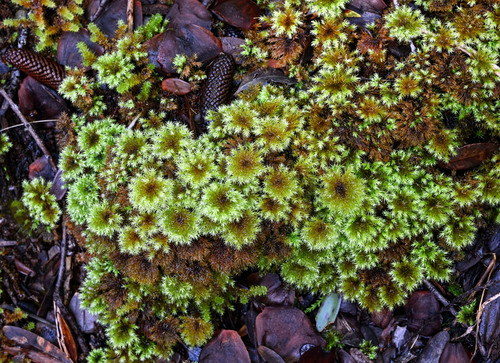
Hypnodendrales
orderHypnodendrales
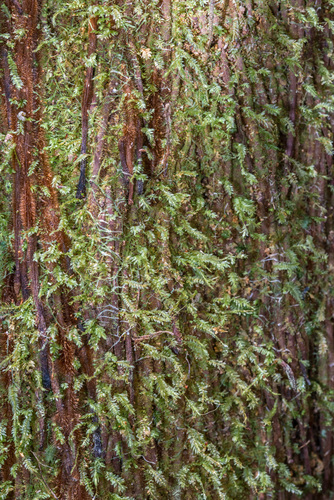
Rhizogoniales
orderRhizogoniales

Encalyptales
orderEncalyptales

Hookeriales
orderHookeriales

Isobryales
orderIsobryales

Splachnales
orderSplachnales

Buxbaumiales
orderBuxbaumiales

Diphysciales
orderDiphysciales
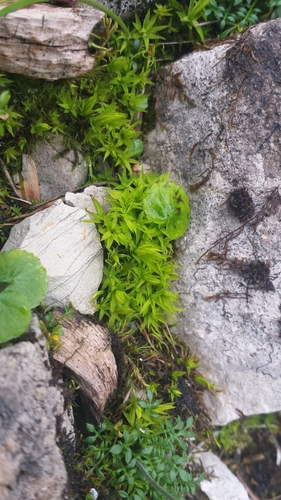
Timmiales
orderTimmiales
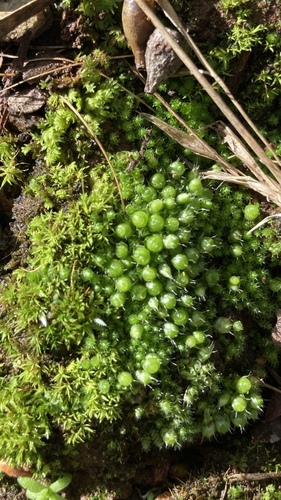
Gigaspermales
orderGigaspermales
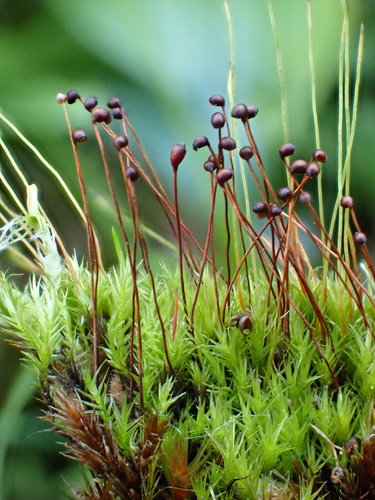
Catoscopiales
orderCatoscopiales
Where it lives
Recorded sightings
—
geo-referenced records in GBIF, from museums, herbaria and field observers.
Drag the globe to turn it. Dots are where records exist, not a range map; darker means more records.
In the stacks
Searching the stacks…
Every page naming Bryopsida in the Biodiversity Heritage Library →
This page is assembled live from iNaturalist, GBIF, Wikipedia, the Source Library and the Internet Archive. It is not yet part of the hand-edited codex. iNaturalist taxon 48372.