- Plants
- ›Vascular Plants
- ›flowering plants
- ›Dicots
- ›Nances, Willows, and Allies
- ›Violet Family
- ›Viola
- ›Viola
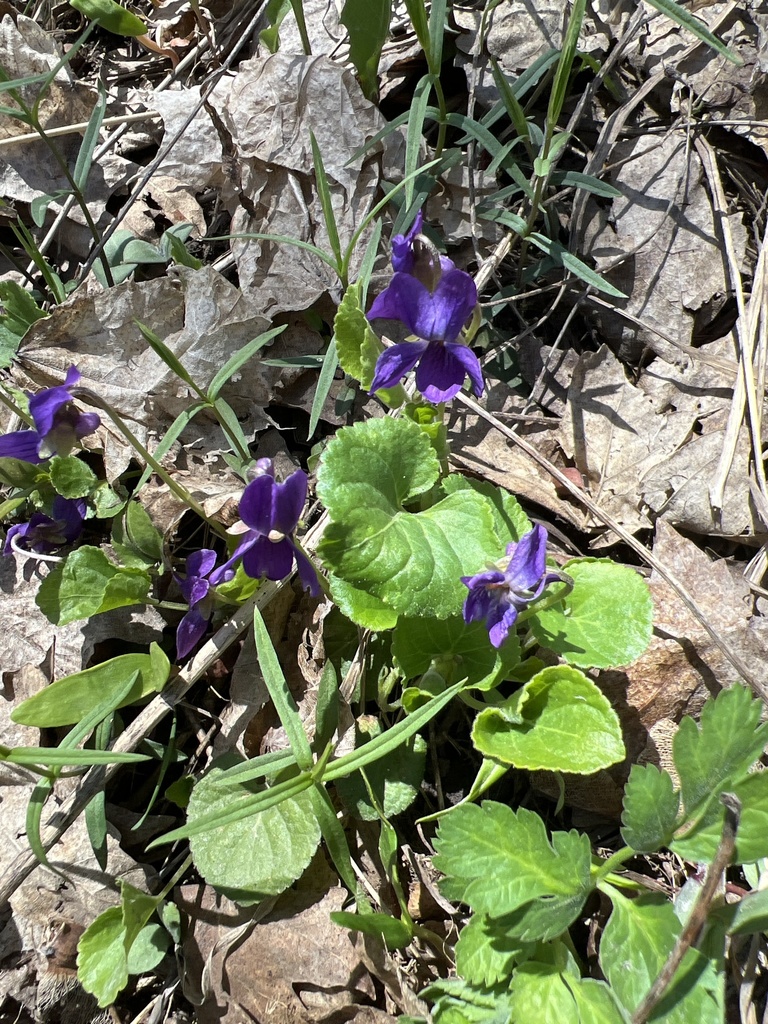
Section Viola
Viola
The viola ( vee-OH-lə, () Italian: [ˈvjɔːla, viˈɔːla]) is a string instrument of the violin family, and is usually bowed when played. The viola is slightly larger than the violin and has a lower sound. Since the 18th century, it has been the middle or alto voice of the violin family, between the violin (which is tuned a perfect fifth higher) and the cello (which is tuned an octave lower). The strings from low to high are typically tuned to C3, G3, D4, and A4.
In the past, the viola varied in size and style, as did its names. The word viola originates from the Italian language. The Italians often used the term viola da braccio, meaning, literally, 'of the arm'. "Brazzo" was another Italian word for the viola, which the Germans adopted as Bratsche. The French had their own names: cinquiesme was a small viola, haute contre was a large viola, and taile was a tenor. Today, the French use the term alto, a reference to its range.
2 branches of this group, most-observed first
See this branch on the Wheel of Life →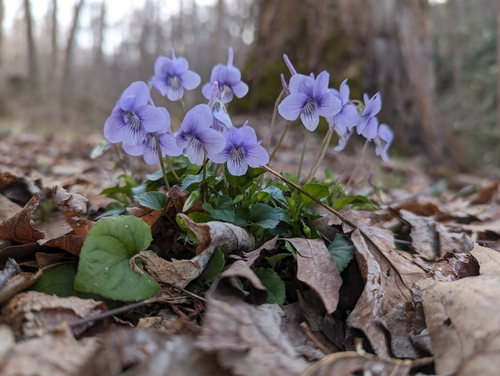
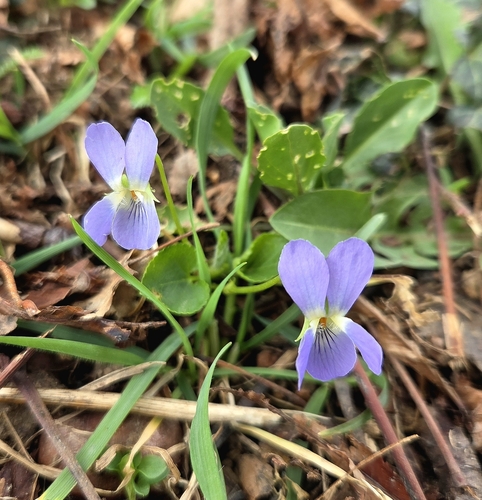
Where it lives
Recorded sightings
—
geo-referenced records in GBIF, from museums, herbaria and field observers.
Drag the globe to turn it. Dots are where records exist, not a range map; darker means more records.
In the old herbals & bestiaries

Hermann Schlegel — Monographie des toerako's (1860)
Hermann Schlegel · 1860 · p.35

Oxford Universal History of Plants, Part Two
Robert Morison · 1669 · p.747

Latin Herbal
1491 · p.3

Maria Sibylla Merian — Der rupsen begin, voedzel en wonderbaare verandering (1712)
Maria Sibylla Merian · 1717 · p.181

Herbarius
1485 · p.304

Living Images of Plants
Otto Brunfels · 1532 · p.145

Introductio Generalis in Rem Herbariam
Augustus Quirinus Rivinus · 1690 · p.526

François Le Vaillant — Histoire naturelle des promerops et des guêpiers (1807)
François Le Vaillant · 1807 · p.614

Notable Commentaries on the History of Plants
Leonhart Fuchs · 1542 · p.493

Hortus Eystettensis
Basilius Besler · 1640 · p.124

Latin Herbal
1484 · p.303

Commentaries on the Six Books of Dioscorides
Pietro Andrea Mattioli · 1560 · p.763
In the stacks
Searching the stacks…
Every page naming Viola in the Biodiversity Heritage Library →
This page is assembled live from iNaturalist, GBIF, Wikipedia, the Source Library and the Internet Archive. It is not yet part of the hand-edited codex. iNaturalist taxon 1367589.