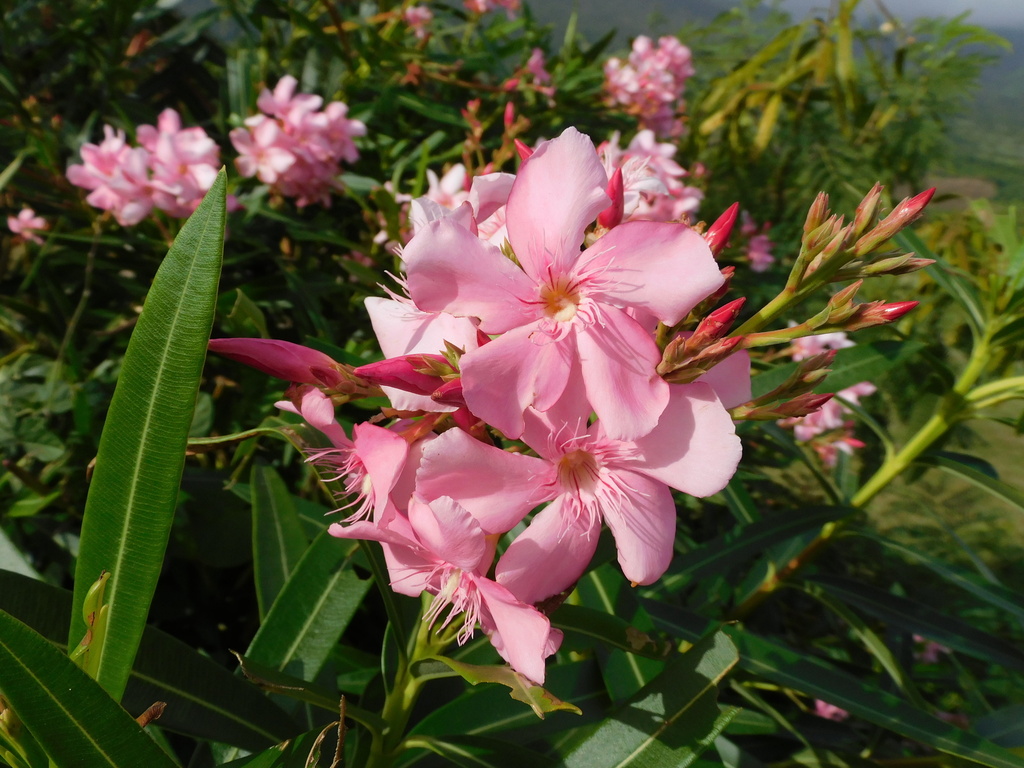
 NL·0015
Herbarium of the Nature Library
- Name
- Nerium oleander
- Family
- Apocynaceae
- Native to
- Mediterranean region and North Africa through the Middle East to South Asia and southern China
- Habitat
- Mediterranean scrub, Riverbeds and wadis
Oleander
Nerium oleander
Also calledKaner (Hindi/Urdu) · Karavira (Sanskrit) · Difla (Arabic) · Kharzahreh ('donkey-poison', Persian) · Jiāzhútáo 夹竹桃 (Chinese) · Laurier-rose (French) · Adelfa (Spanish) · Harduf (Hebrew)
A beautiful, tough flowering shrub planted on highways and in gardens throughout warm climates, and one of the most poisonous common garden plants. Every part contains cardiac glycosides that disrupt the heart's rhythm. It was the first plant to bloom in Hiroshima after the 1945 bombing.
Nerium oleander, the oleander, is a shrub or small tree native to the Mediterranean region east to southern Asia, from Morocco and Portugal east to India and Myanmar; the Flora of China also cites it as native in Yunnan in China. It is the only species currently classified in the genus Nerium, belonging to subfamily Apocynoideae of the dogbane family Apocynaceae. It is also cultivated widely in temperate and subtropical areas as an introduced ornamental and landscaping plant. Wikipedia
What it can do
- iTolerates drought, salt spray, heat, poor soil and city pollution
- iiMakes potent cardiac glycosides (oleandrin) in all its tissues
- iiiGrows along seasonal riverbeds, surviving floods and long dry seasons
- ivIts flowers offer no nectar; it is pollinated by insects that it 'deceives'
At the table
All parts are poisonous: leaves, flowers, stems, seeds, roots and sap, fresh or dried. The cardiac glycosides oleandrin and neriine cause nausea, vomiting, abdominal pain, slow or irregular heartbeat, high blood potassium and can cause fatal cardiac arrest. Smoke from burning it, using stems as skewers, and honey from oleander-rich areas have all caused poisoning. Deadly to dogs, cats, horses and livestock. Treatment may include digoxin-specific antibody fragments. Not to be confused with yellow oleander (Cascabela thevetia), also deadly.
In the medicine cabinet
| Tradition | Use |
|---|---|
| Ayurveda | Root and leaf (karavira), after purification, applied externally for skin diseases |
| Unani | Leaf preparations used externally for ringworm and swelling |
Weight of evidence
Traditional. Long historical use; little or no modern clinical evidence.
Active compounds
oleandrin, neriine, digitoxigenin glycosides
Fruit & seed


Fruit
Follicle
Ripens: Late summer–autumn
Long, narrow paired pods that split to release silky-haired seeds.

Seed
~5 mm
Brown seeds with a tuft of hairs
- Dispersal
- Wind
- Germination
- Usually propagated by cuttings; seed germinates readily in warmth
Photographs from Wikimedia Commons under open licences; hover for the photographer, click for the file.
How to grow it
Hardiness (USDA zones)
USDA 8–11. Survives winters down to about -12 °C.
- Light
- Full sun
- Water
- Low once established
- Soil
- Any well-drained soil
- Propagation
- Semi-ripe cuttings
- To harvest
- Flowers in 1–2 years
- Climates
- Mediterranean, Subtropical, Arid
- 1Wear gloves when pruning; the sap irritates skin
- 2Root cuttings in water or moist sand in summer
- 3Plant in full sun away from where children and pets play
- 4Never burn the prunings or use stems as skewers
Can it grow where you are?
Where it lives
Recorded sightings
—
geo-referenced records in GBIF, from museums, herbaria and field observers.
Native range
Mediterranean region and North Africa through the Middle East to South Asia and southern China
Drag the globe to turn it. Dots are where records exist, not a range map; darker means more records.
In the old herbals & bestiaries
Woodcuts and engravings matched from the Source Library’s scanned books by name. Plates marked “relative” show a close kin rather than this exact species. Click a plate to read the page it came from, with translation.

Illustrated Compendium of Materia Medica (Vol. 27)
吳其濬 · 1848 · p.72

Hortus Eystettensis
Basilius Besler · 1640 · p.157

Hortus Eystettensis
Basilius Besler · 1640 · p.156

Commentaries on the Six Books of Dioscorides
Pietro Andrea Mattioli · 1560 · p.703

Commentaries on the Six Books of Dioscorides on Medical Matter
Pietro Andrea Mattioli · 1563 · p.648

The Dutch Herbarium or Herbal
Petrus Nylandt · 1670 · p.35

Ortus sanitatis
1491 · p.290

Ortus sanitatis
1491 · p.291

Garden of Health
Jacob Meydenbach · 1491 · p.290

Notable Commentaries on the History of Plants
Leonhart Fuchs · 1542 · p.575
In the stacks
Searching the stacks…
Every page naming Nerium oleander in the Biodiversity Heritage Library →
Marginalia
Oleander is painted in the garden frescoes of Pompeii, and Pliny the Elder warned that it was poisonous to animals. Oleander is the official flower of Hiroshima because it was the first to bloom after the atomic bombing.
Curiosity
Despite its poison, oleander is the main food of the oleander caterpillar (larva of the polka-dot wasp moth, Syntomeida epilais), which stores the plant's toxins for its own defence.
Kinship
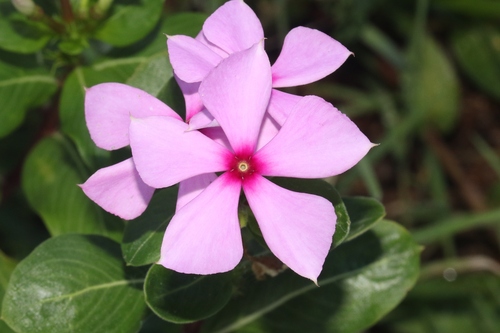
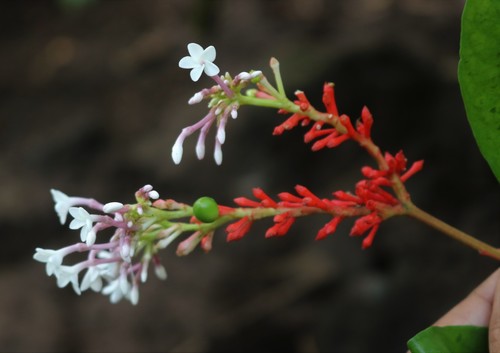




Photographs: iNaturalist contributors under the licences shown. Records: GBIF.org. Historical plates: Source Library (CC BY-SA 4.0; originals public domain). Summary text: Nature Library editors and Wikipedia (CC BY-SA). Medicinal and edibility notes are historical and educational, not advice. iNaturalist taxon 47563.