- Animals
- ›Molluscs
- ›Gastropods
- ›Heterobranchs
- ›Euthyneura
- ›Tectipleura
- ›Hygrophila
- ›Pond Snails, Bladder Snails, and Allies

Ramshorn Snails and Allies
Planorbidae
Planorbidae, common name the ramshorn snails or ram's horn snails, is a family of air-breathing freshwater snails, aquatic pulmonate gastropod molluscs. The group is composed of three subfamilies: the Ancylinae, Miratestinae, and Planorbinae. Unlike most molluscs, the blood of ram's horn snails contains iron-based hemoglobin instead of copper-based hemocyanin. As a result, planorbids are able to breathe oxygen more efficiently than other molluscs. The presence of hemoglobin gives the body a reddish colour. This is especially apparent in albino animals.
Being air breathers like other Panpulmonata, planorbids do not have gills, but instead, have a lung. The foot and head of planorbids are rather small, while their thread-like tentacles are relatively long. Many of the species in this family have coiled shells that are planispiral, in other words, the shells are more or less coiled flat, rather than having an elevated spire as is the case in most gastropod shells. Although they carry their shell in a way that makes it appear to be dextral, the shell of coiled planorbids is in fact sinistral in coiling, but is carried upside down, which makes it appear to be dextral.
3 branches of this family, most-observed first

Ramshorn Snails
subfamilyPlanorbinae
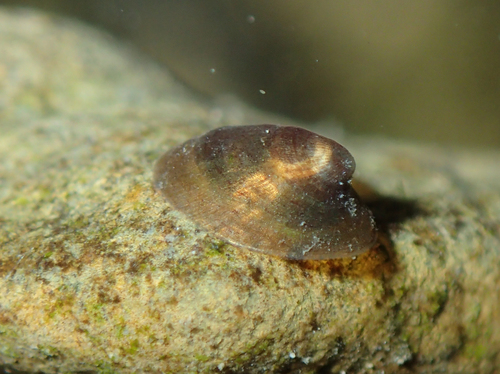
Freshwater Limpets
subfamilyAncylinae
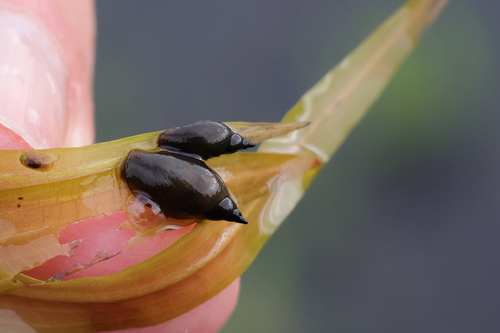
Miratestinae
subfamilyMiratestinae
Where it lives
Recorded sightings
—
geo-referenced records in GBIF, from museums, herbaria and field observers.
Drag the globe to turn it. Dots are where records exist, not a range map; darker means more records.
In the stacks
Searching the stacks…
Every page naming Planorbidae in the Biodiversity Heritage Library →
This page is assembled live from iNaturalist, GBIF, Wikipedia, the Source Library and the Internet Archive. It is not yet part of the hand-edited codex. iNaturalist taxon 85990.