
Trypanosomes
Trypanosoma
Trypanosoma is a genus of kinetoplastids (class Trypanosomatidae), a group of unicellular parasitic flagellate protozoa under the phylum Euglenozoa. The name is derived from the Ancient Greek trypano- (borer) and soma (body) because of their corkscrew-like motion. Most trypanosomes are heteroxenous (requiring more than one obligatory host to complete life cycle) and most are transmitted via a vector. The majority of species are transmitted by blood-feeding invertebrates, but there are different mechanisms among the varying species. Trypanosoma equiperdum is spread between horses and other equine species by sexual contact. They are generally found in the intestine of their invertebrate host, but normally occupy the bloodstream or an intracellular environment in the vertebrate host.
Trypanosomes infect a variety of hosts and cause various diseases, including the fatal human diseases sleeping sickness, caused by Trypanosoma brucei, and Chagas disease, caused by Trypanosoma cruzi.
11 branches of this genus, most-observed first

Chagas Disease
speciesTrypanosoma cruzi
Trypanosoma piscium
speciesTrypanosoma piscium
Trypanosoma carasobarbi
speciesTrypanosoma carasobarbi
Trypanosoma basrensis
speciesTrypanosoma basrensis
Trypanosoma arabica
speciesTrypanosoma arabica
Trypanosoma pseudomiyagii
speciesTrypanosoma pseudomiyagii
Dourine
speciesTrypanosoma equiperdum
Trypanosoma evansi
speciesTrypanosoma evansi
Trypanosoma wauwau
speciesTrypanosoma wauwau
Trypanosoma irwini
speciesTrypanosoma irwini
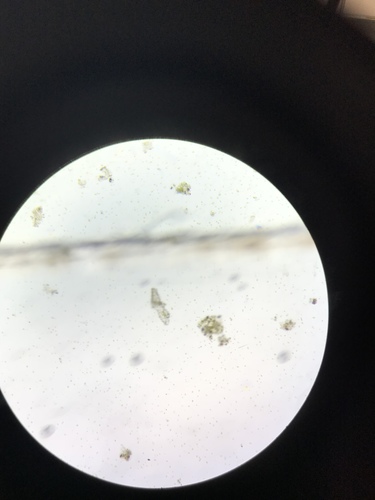
Trypanosoma pseudopodia
speciesTrypanosoma pseudopodia
Where it lives
Recorded sightings
—
geo-referenced records in GBIF, from museums, herbaria and field observers.
Drag the globe to turn it. Dots are where records exist, not a range map; darker means more records.
In the stacks
Searching the stacks…
Every page naming Trypanosoma in the Biodiversity Heritage Library →
This page is assembled live from iNaturalist, GBIF, Wikipedia, the Source Library and the Internet Archive. It is not yet part of the hand-edited codex. iNaturalist taxon 342760.