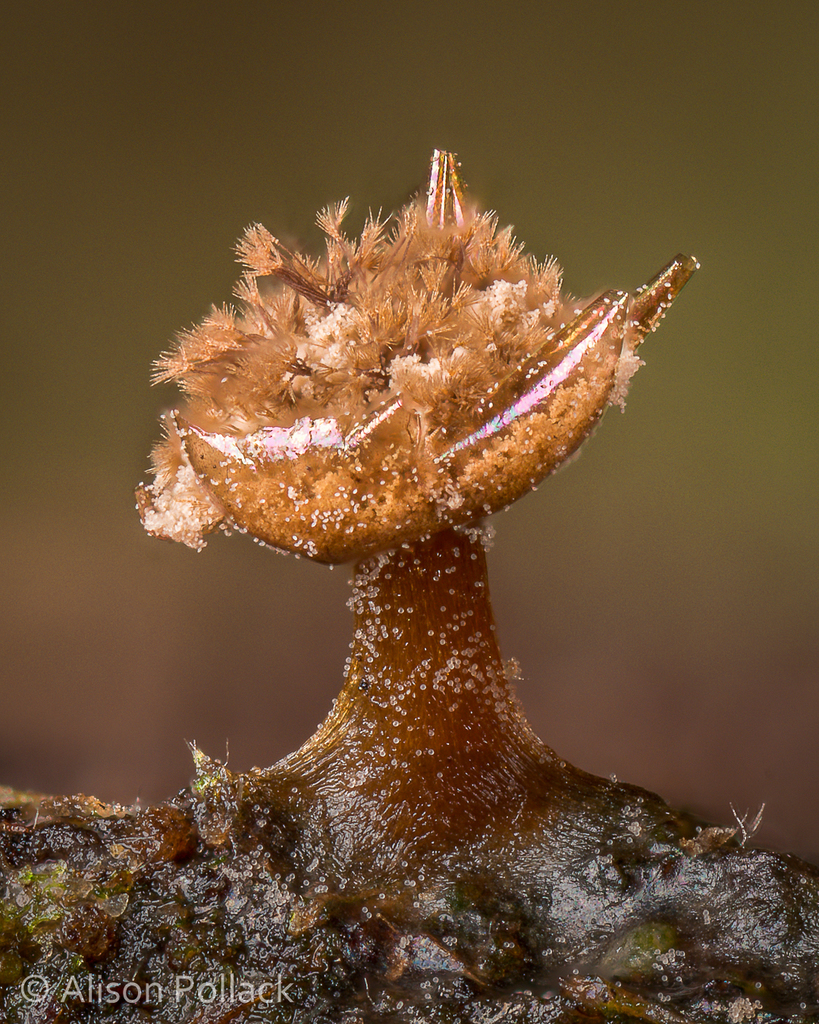
Dianemataceae
Trichiales (synonymous with Trichiida) is an order of slime moulds in the phylum Amoebozoa. Trichiales is one of five orders in the group Myxomycetes (also called Myxogastria), or the true plasmodial slime molds. It is also currently categorized under the superorder Lucisporidia with its sister group, Liceales. The order was first described by Thomas MacBride in 1922, and has retained the same name and status as a defined order in present phylogeny. In the plasmodium form, members of Trichiales lack a columella but have a well-developed capillitium for spore dispersal. The shape and details of the capillitium are used to define families within the order. Spores are brightly coloured, ranging from clear, white and yellow to pink and red-brown tones. The order currently has 4 families, 14 genera and 174 species. Recent molecular research has shown that while Trichiales probably represents a true taxonomic group, its sister group Liceales is likely paraphyletic, and it has been suggested that several genera from the Liceales should be reclassified under Trichiales instead.
5 branches of this family, most-observed first

Dictydiaethalium
genusDictydiaethalium

Enteridium
genusEnteridium
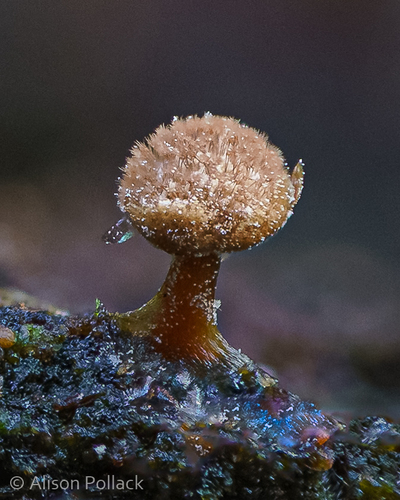
Prototrichia
genusPrototrichia
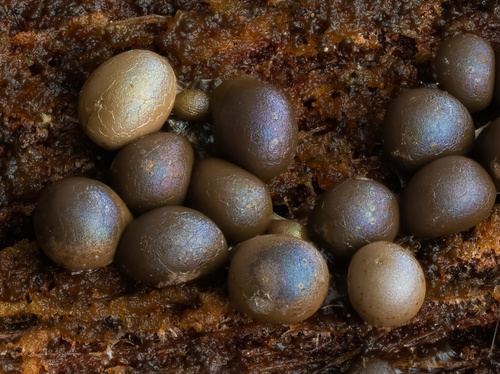
Calomyxa
genusCalomyxa
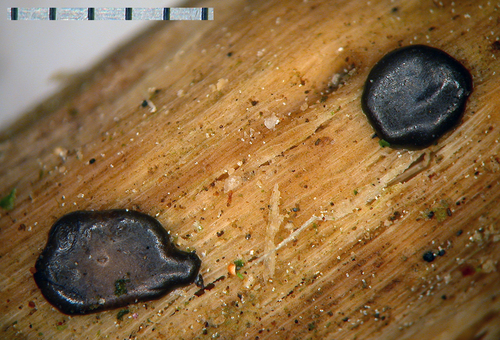
Dianema
genusDianema
Where it lives
Recorded sightings
—
geo-referenced records in GBIF, from museums, herbaria and field observers.
Drag the globe to turn it. Dots are where records exist, not a range map; darker means more records.
In the stacks
Searching the stacks…
Every page naming Dianemataceae in the Biodiversity Heritage Library →
This page is assembled live from iNaturalist, GBIF, Wikipedia, the Source Library and the Internet Archive. It is not yet part of the hand-edited codex. iNaturalist taxon 1442017.