- Fungi Including Lichens
- ›Ascomycete Fungi
- ›Sac Fungi and Lichens
- ›Operculate Ascomycetes
- ›Pezizales
- ›Sarcosomataceae

Urnula
Urnula is a genus of cup fungi in the family Sarcosomataceae, circumscribed by Elias Magnus Fries in 1849. The genus contains several species found in Asia, Europe, Greenland, and North America. Sarcosomataceae fungi produce dark-colored (brown to black), shallow to deep funnel-shaped fruitbodies with or without a stipe, growing in spring. The type species of the genus is Urnula craterium, commonly known as the devil's urn or the gray urn. Urnula species can grow as saprobes or parasites having an anamorphic state. The anamorphic form of U. craterium causes Strumella canker, on oak trees.
11 branches of this genus, most-observed first
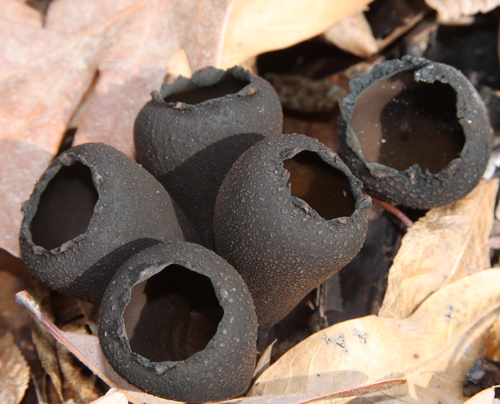
devil's urn
speciesUrnula craterium

brown forest cup
speciesUrnula campylospora

Urnula padeniana
speciesUrnula padeniana
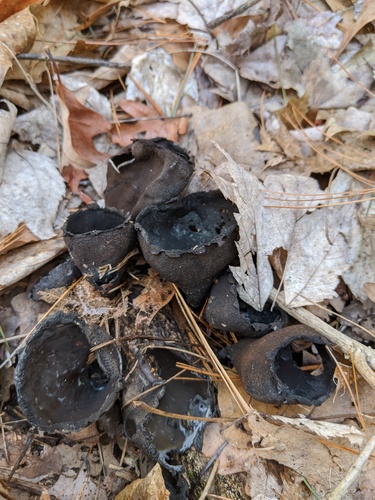
Urnula sp. 'IN01'
speciesUrnula sp. 'IN01'

Urnula hiemalis
speciesUrnula hiemalis
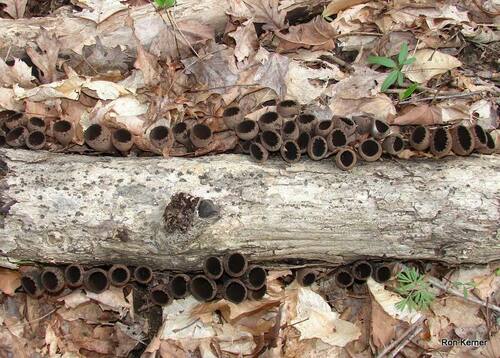
Urnula sp. 'IN02'
speciesUrnula sp. 'IN02'
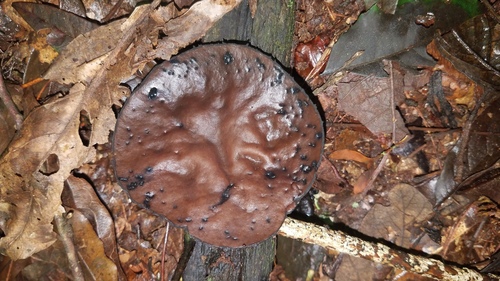
Urnula mexicana
speciesUrnula mexicana
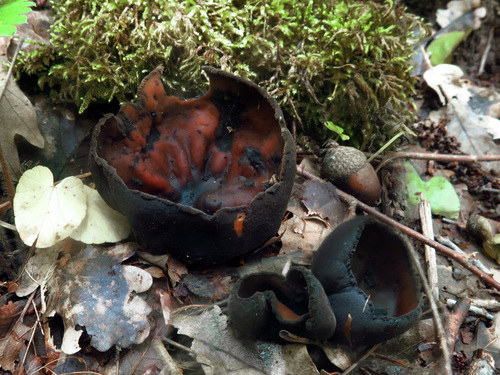
Urnula mediterranea
speciesUrnula mediterranea
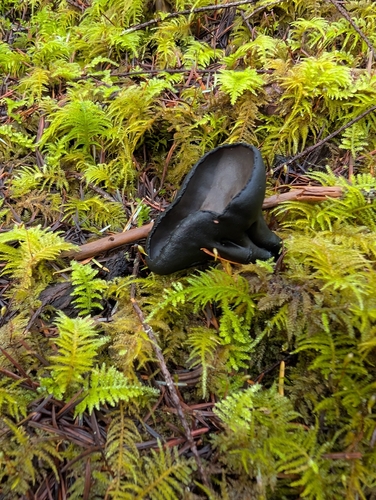
Urnula sp. 'padeniana-CA01'
speciesUrnula sp. 'padeniana-CA01'
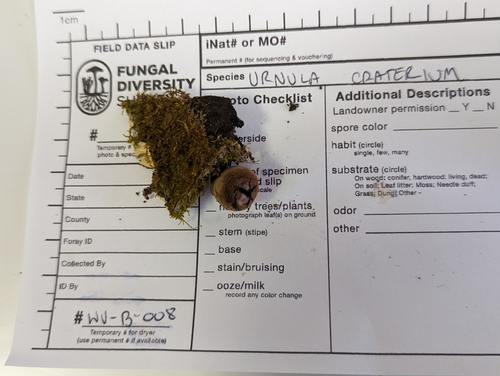
Urnula sp. 'craterium-WV01'
speciesUrnula sp. 'craterium-WV01'
Urnula sp. 'CA01'
speciesUrnula sp. 'CA01'
Where it lives
Recorded sightings
—
geo-referenced records in GBIF, from museums, herbaria and field observers.
Drag the globe to turn it. Dots are where records exist, not a range map; darker means more records.
In the stacks
Searching the stacks…
Every page naming Urnula in the Biodiversity Heritage Library →
This page is assembled live from iNaturalist, GBIF, Wikipedia, the Source Library and the Internet Archive. It is not yet part of the hand-edited codex. iNaturalist taxon 58713.