- Fungi Including Lichens
- ›Basidiomycete Fungi
- ›Higher Basidiomycetes
- ›Mushrooms, Bracket Fungi, Puffballs, and Allies
- ›Agaricomycetidae
- ›boletes and allies
- ›Boletineae
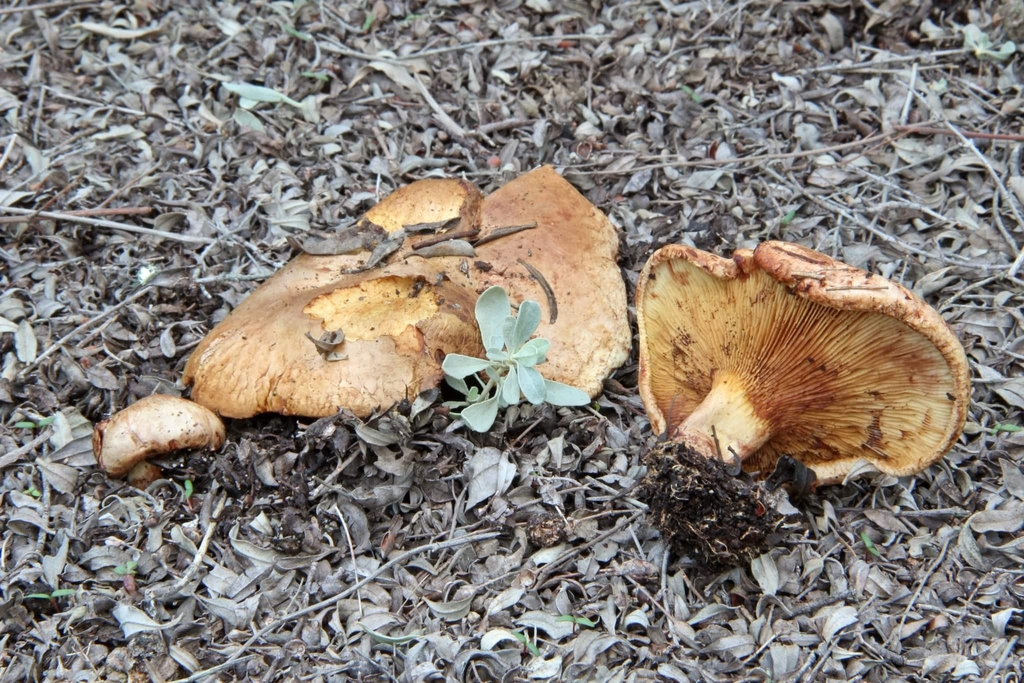
Paxillaceae
The Paxillaceae are a family of mushroom-forming fungi bearing close affinity to the boletes. Collectively, the family contains nine genera and 78 species. The type genus is Paxillus, containing fungi with decurrent gills, and Gyrodon, which has members with decurrent pores, among others. French mycologist René Maire had erected the family in 1902, placing it between the agarics and boletes and recognizing the groups' similarities with the latter group. Maire's usage of the name was later deemed to be invalid, and the genus authority is attributed to Johannes Paulus Lotsy. Molecular research confirms the relations of Gyrodon, with the decurrent-pored mushroom G. lividus, Paragyrodon, with the type species P. sphaerosporus, and Paxillus as sister groups, together lying near the base of a phylogenetic tree from which the genus Boletus arises. The name Gyrodontaceae, published by Belgian botanist Paul Heinemann in 1951, is considered synonymous with Paxillaceae.
10 branches of this family, most-observed first

Rollrims
genusPaxillus

Melanogaster
genusMelanogaster
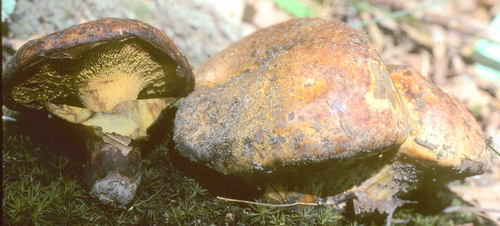
Paragyrodon
genusParagyrodon

Gyrodon
genusGyrodon

Alpova
genusAlpova
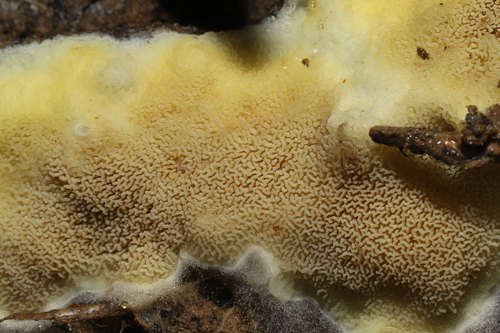
Hydnomerulius
genusHydnomerulius
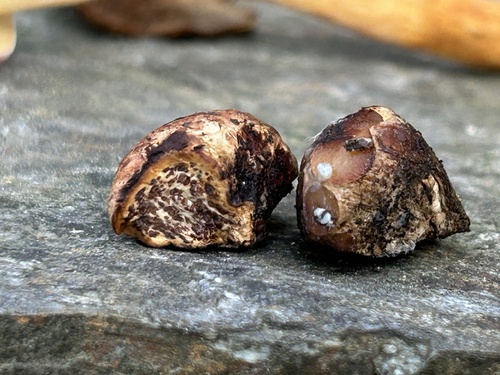
Neoalpova
genusNeoalpova
Pseudogyrodon
genusPseudogyrodon
Rodwaya
genusRodwaya
Hoehnelogaster
genusHoehnelogaster
Where it lives
Recorded sightings
—
geo-referenced records in GBIF, from museums, herbaria and field observers.
Drag the globe to turn it. Dots are where records exist, not a range map; darker means more records.
In the stacks
Searching the stacks…
Every page naming Paxillaceae in the Biodiversity Heritage Library →
This page is assembled live from iNaturalist, GBIF, Wikipedia, the Source Library and the Internet Archive. It is not yet part of the hand-edited codex. iNaturalist taxon 55942.