- Fungi Including Lichens
- ›Ascomycete Fungi
- ›Sac Fungi and Lichens
- ›Sordariomycetes
- ›Hypocreomycetidae
- ›Hypocreales
- ›Cordycipitaceae
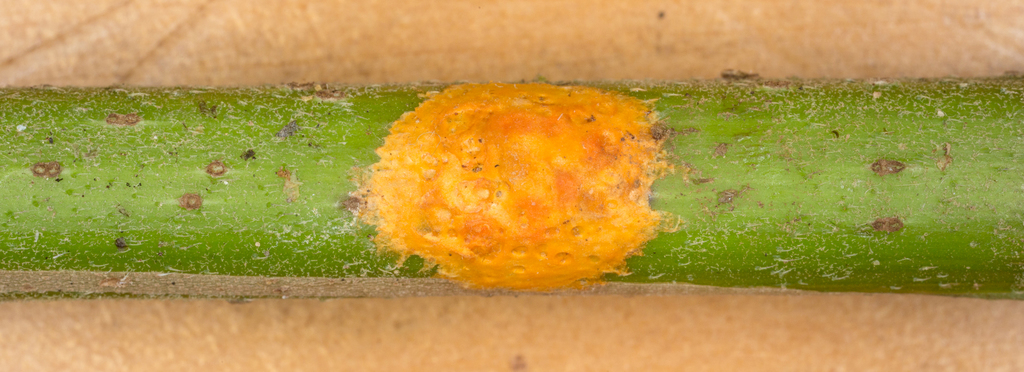
Hyperdermium
Epichole, also known as Epichloë, is a genus of ascomycete fungi forming an endophytic symbiosis with grasses. Grass choke disease is a symptom in grasses induced by some Epichloë species, which form spore-bearing mats (stromata) on tillers and suppress the development of their host plant's inflorescence. For most of their life cycle however, Epichloë grow in the intercellular space of stems, leaves, inflorescences, and seeds of the grass plant without incurring symptoms of disease. In fact, they provide several benefits to their host, including the production of different herbivore-deterring alkaloids, increased stress resistance, and growth promotion.
Within the family Clavicipitaceae, Epichloë is embedded in a group of endophytic and plant pathogenic fungi, whose common ancestor probably derived from an animal pathogen. The genus includes both species with a sexually reproducing (teleomorphic) stage and asexual, anamorphic species. The latter were previously placed in the form genus Neotyphodium but included in Epichloë after molecular phylogenetics had shown asexual and sexual species to be intermingled in a single clade. Hybrid speciation has played an important role in the evolution of the genus.
2 branches of this genus, most-observed first
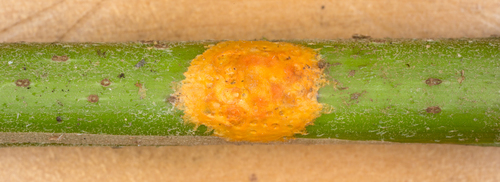
Hyperdermium caulium
speciesHyperdermium caulium
Hyperdermium pulvinatum
speciesHyperdermium pulvinatum
Where it lives
Recorded sightings
—
geo-referenced records in GBIF, from museums, herbaria and field observers.
Drag the globe to turn it. Dots are where records exist, not a range map; darker means more records.
In the stacks
Searching the stacks…
Every page naming Hyperdermium in the Biodiversity Heritage Library →
This page is assembled live from iNaturalist, GBIF, Wikipedia, the Source Library and the Internet Archive. It is not yet part of the hand-edited codex. iNaturalist taxon 552870.